




Geometric Carved Box
A geometric carved box is a sturdy timber container bearing crisp surface chisel work, sought after for timeless storage.
Geometric Carved Box
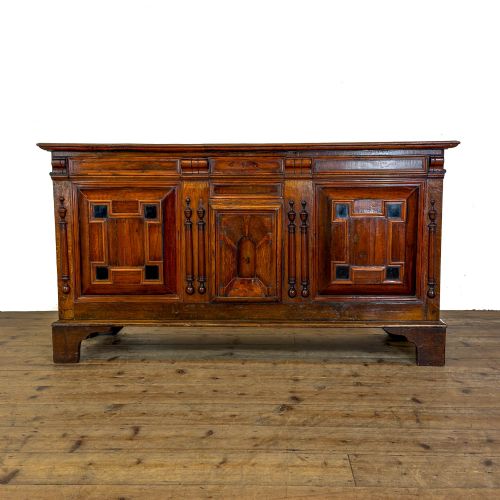
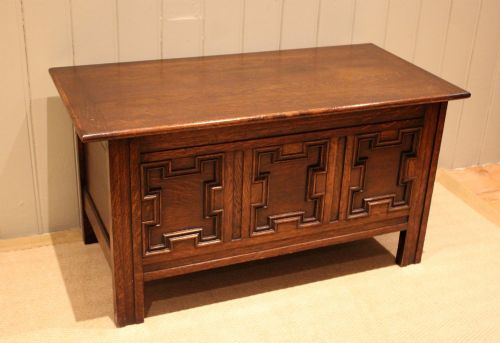
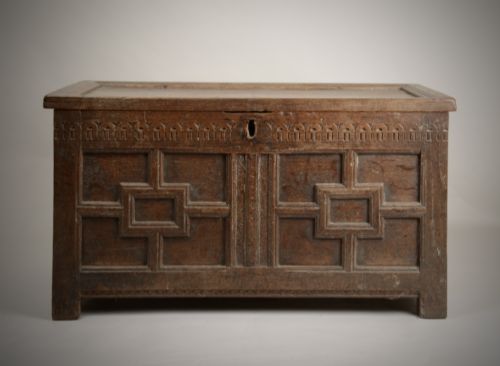
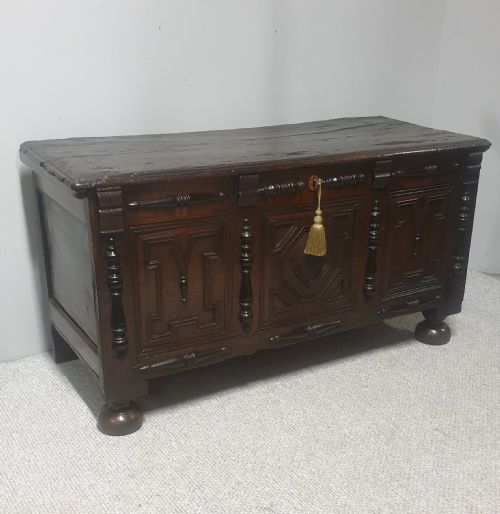
A geometric carved box typically presents as a substantial oak coffer, blanket chest, or mule chest decorated with panelled and moulded patterns. These pieces trace their lineage from the sixteenth and seventeenth centuries through to revival periods in the nineteenth and twentieth centuries.
Buyers also encounter smaller receptacles, including chip-carved hardwood snuff boxes featuring heart inlay work and intricate surface decoration. Oak remains the predominant timber across these larger storage chests and smaller lidded boxes.
The aesthetic bridges utilitarian domestic furniture and folk art, encompassing styles from Elizabethan and Jacobean eras to Arts and Crafts interpretations. Pieces range from grand mule chests fitted with drawers to compact trinket containers.
Materials and construction methods
Carpenters built these containers primarily using solid oak, often enhanced with fruitwood inlay, brass accents, and iron hardware. Timber boards were joined using traditional frame and panel construction to accommodate seasonal wood movement.
Surface ornamentation relied on chip carving and geometric moulding, where artisans excised precise triangular, notch, and strapwork patterns directly into the solid wood. Ebonised details and contrasting fruitwood sometimes highlighted specific geometric motifs.
Certain small snuff boxes hide secret heart inlays beneath their geometric lids, offering a quiet romantic token within utility.
Markers of quality and execution
Quality rests upon the crispness of the chisel work and the depth of the geometric moulding carved into the timber. Sharp, deliberate cuts in the oak distinguish superior folk art and period pieces from softer, later machine interpretations.
Construction integrity separates finer examples, noting how precisely the panels fit within their frames and whether original iron hinges and brass fittings remain intact. The choice of well-figured oak and balanced fruitwood inlay elevates the presence of the box.
The Geometric Carved Box Glossary
- Coffer
- A large wooden chest traditionally used for storing valuables, textiles, or documents. These sturdy containers often feature panelled lids and front panels decorated with geometric carvings.
- Mule chest
- A storage chest equipped with one or more drawers beneath the main lidded compartment. They combine the storage capacity of a traditional coffer with the accessibility of drawer storage.
- Chip carving
- A woodworking technique where the artisan removes small chips of wood from a flat surface at shallow angles to form geometric patterns. This method creates striking light and shadow effects across the grain.
- Jacobean
- The stylistic period spanning the reign of James I, characterised by robust proportions, dark oak timber, and geometric moulding. Later revivals replicated these heavy, rectilinear forms.
- Ebonised wood
- Timber treated with a dark stain or chemical process to imitate ebony. Cabinet makers utilised this technique to create sharp visual contrast against natural oak.
Geometric Carved Box: Frequently Asked Questions
What is a geometric carved box?
A geometric carved box is a lidded timber container, ranging from large oak coffers to small snuff boxes, decorated with chiselled patterns.
Craftsmen applied notch carving, strapwork, and moulding directly onto the wood surface to create structured visual depth.
How were these chests used historically?
These containers served practical domestic purposes for storing textiles, blankets, valuables, and personal documents securely within the home.
Larger coffers often doubled as seating or tables, while smaller carved boxes held tobacco, snuff, or small precious items.
How do I date a carved oak coffer?
Dating relies on examining construction marks, joint types, timber shrinkage, and the style of the geometric mouldings.
Earlier pieces show hand-riven timber and primitive peg joints, whereas revival pieces from later centuries often incorporate standardised machine-cut elements.
How do I care for antique oak?
Maintain antique oak by keeping it away from direct heat sources and sudden humidity changes that cause the timber to split.
Apply traditional beeswax sparingly and buff gently with a soft cloth to nourish the wood without building up heavy chemical residues.