


Hand Blown Glass Vessel
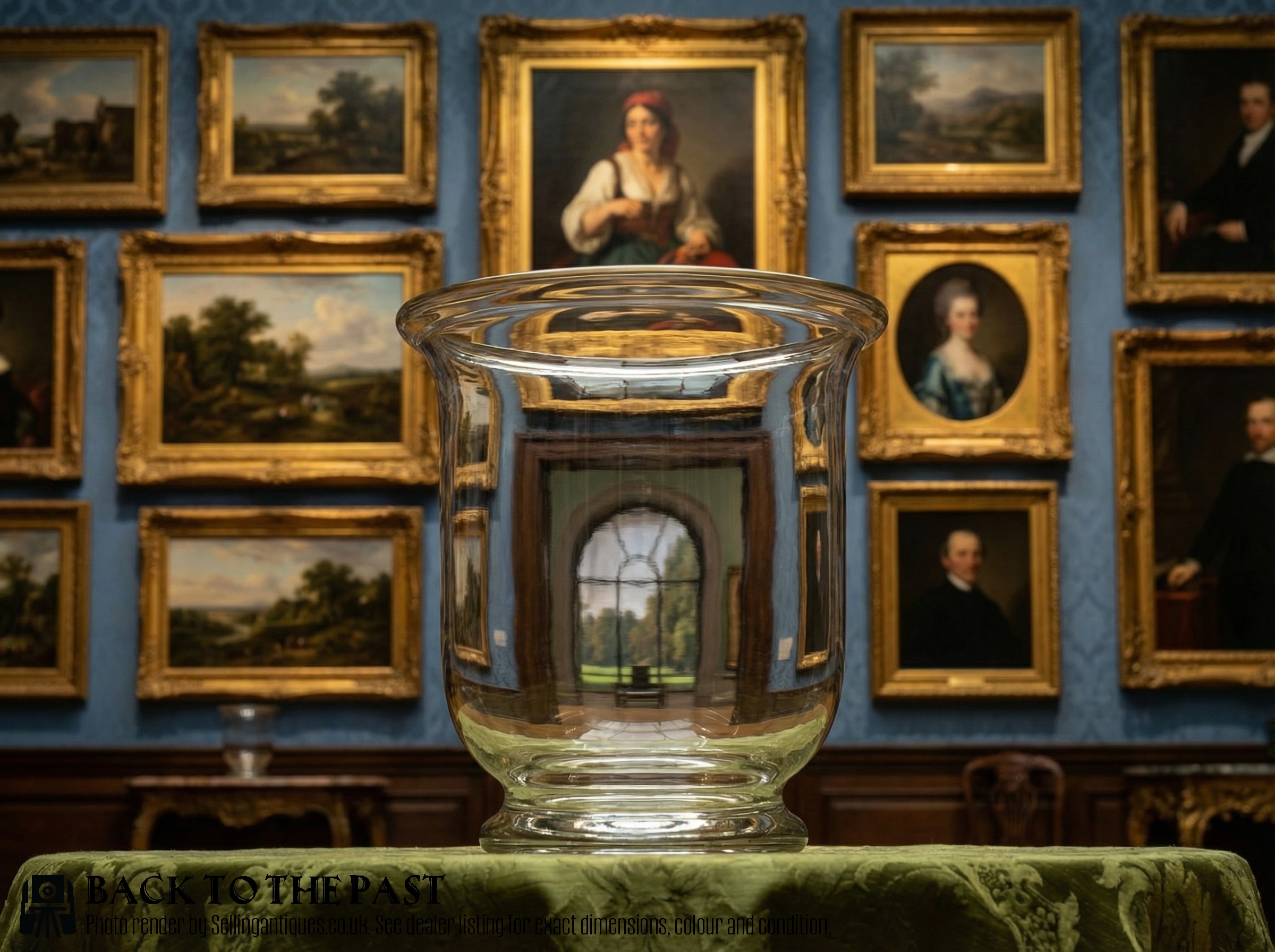
A hand blown glass vessel brings tactile weight and optical movement to a room, formed while molten and shaped by the craftsman's breath.
Hand Blown Glass Vessel
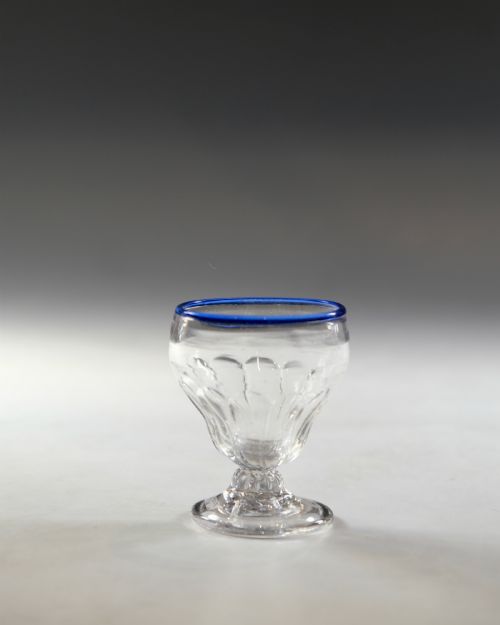
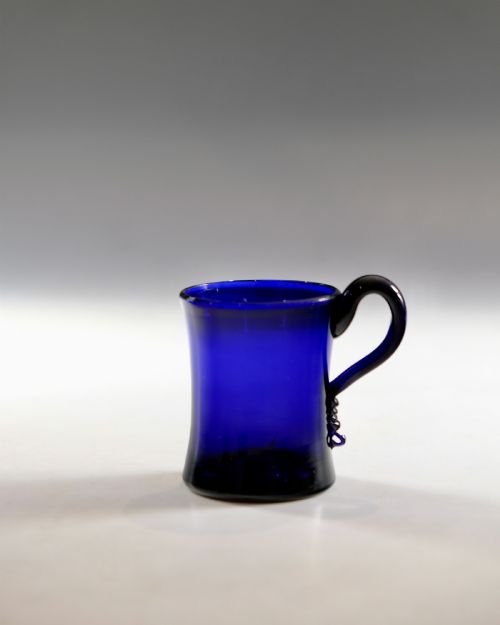
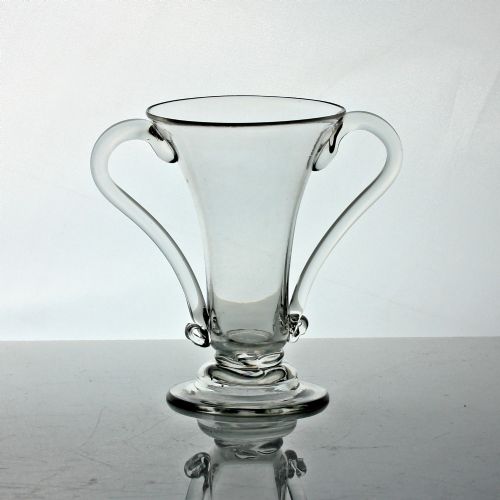
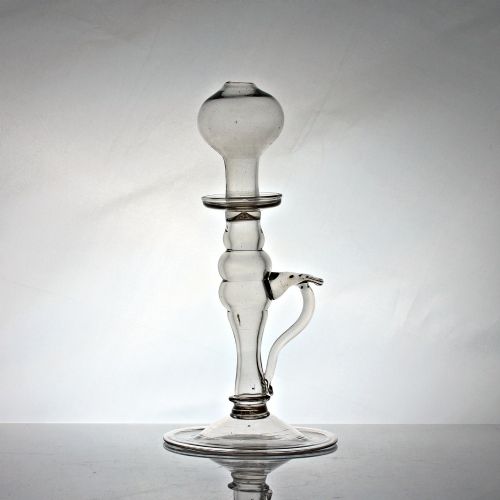
When you search for a hand blown glass vessel, you encounter utilitarian and decorative objects shaped by hand from the eighteenth century through the twentieth century. These pieces encompass drinking vessels, decanters, apothecary jars, carboys, and vases spanning Georgian, Victorian, Art Deco, and Edwardian periods.
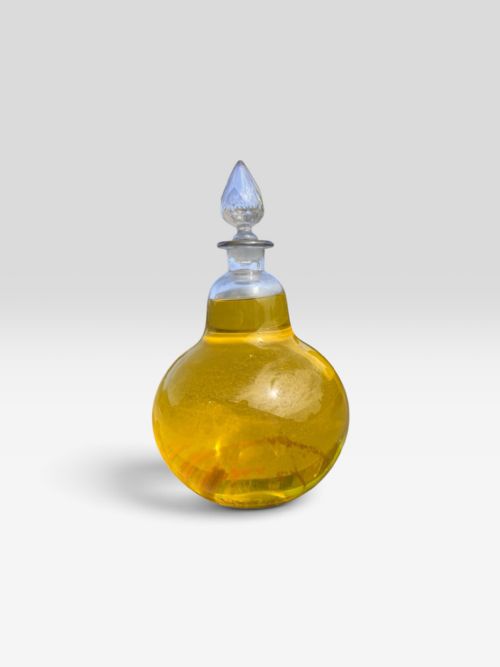
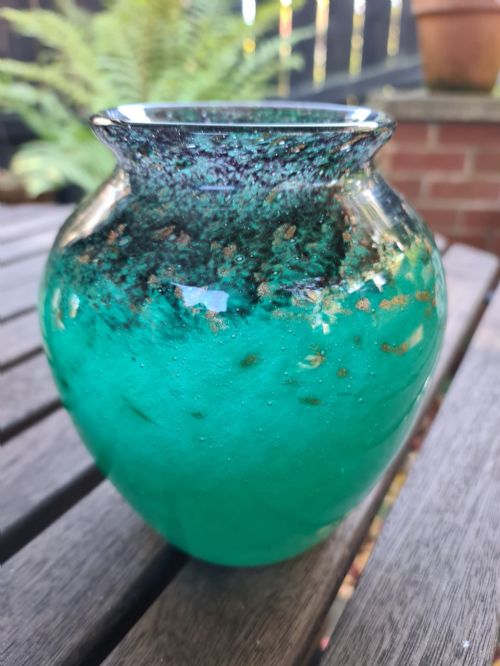
The selections on this page are most commonly represented by Georgian wine glasses and rummers, Victorian cranberry and green glass pieces, and twentieth-century Scottish vases from workshops like Monart and Vasart. You will also find French cider decanters, pickling jars, and Bohemian green glass vessels decorated with enamel.
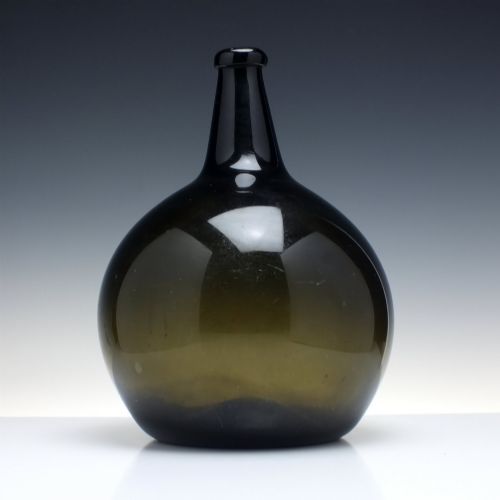
Each form retains the distinct marks of its creation, whether it is the chunky proportions of an eighteenth-century shaft and globe decanter or the iridescent sheen of early studio glass. These vessels served practical domestic or medical purposes before surviving as decorative antiques.
Assessing Quality and Character
Quality in these vessels lies in the balance of the form, the weight of the metal, and the clarity or intentional richness of the colour. Superior pieces display harmonious proportions, such as the well-judged taper of a shaft and globe decanter or the delicate pull of an air-teared stem.
Subtleties in the hand-finished details distinguish finer examples, such as the precision of hand-painted enamel work on Bohemian glass or the skilful dispersion of aventurine within Scottish studio bowls. The presence of natural bubbles and striations within the metal confirms the genuine antiquity and manual origin of the piece.
One listed decanter takes the literal form of a dog, proving that historical glassblowers enjoyed canine company as much as we do.
Monart Glass·Vasart Glass·Vittorio Zecchin·Venini·Daum
The Hand Blown Glass Vessel Glossary
- Pontil mark
- The scarred circle on the base of a vessel where the pontil rod was snapped off after blowing. This proves the piece was worked by hand.
- Aventurine
- A glass containing suspended metallic crystals that sparkle within the metal. It is frequently seen in twentieth-century Scottish studio pieces.
- Rummer
- A heavy, large-bowled drinking glass popular in the eighteenth and nineteenth centuries. They often feature chunky stems and sturdy feet.
- Carboy
- A large, globular glass bottle traditionally used for holding liquids or chemicals. They are typically found in heavy green or clear glass.
- Air-teared stem
- A decorative stem enclosing elongated bubbles of air formed during the drawing of the glass. This technique is characteristic of eighteenth-century drinking vessels.
Hand Blown Glass Vessel: Frequently Asked Questions
How do I clean an antique glass vessel?
Wash these pieces gently by hand using warm water and mild soap, avoiding abrasive sponges or harsh chemicals that can damage old surfaces.
Dry them immediately with a lint-free cloth to prevent water spots on fragile or porous historical glass.
Can I use these old glass vessels for drinks?
Many historical vessels, such as Georgian rummers and decanters, were made specifically for beverages and remain fully functional today.
Inspect the interior first for residue or cloudiness, and avoid exposing antique glass to sudden temperature changes.
What is a pontil mark and why does it matter?
A pontil mark is the rough patch left on the bottom of a piece where the glass was detached from the blowing rod.
Its presence is a key indicator of hand-blown manufacture rather than modern machine moulding.