


Hammered Copper Log Bin
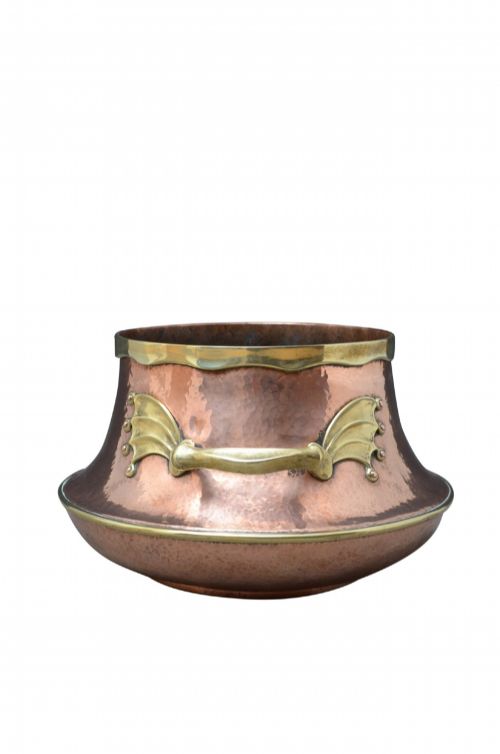
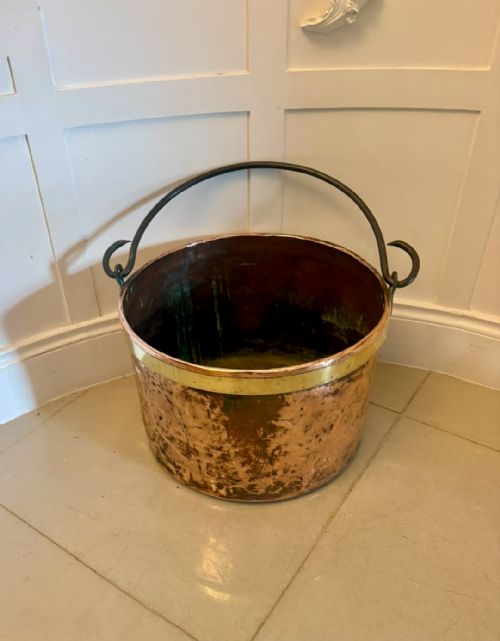
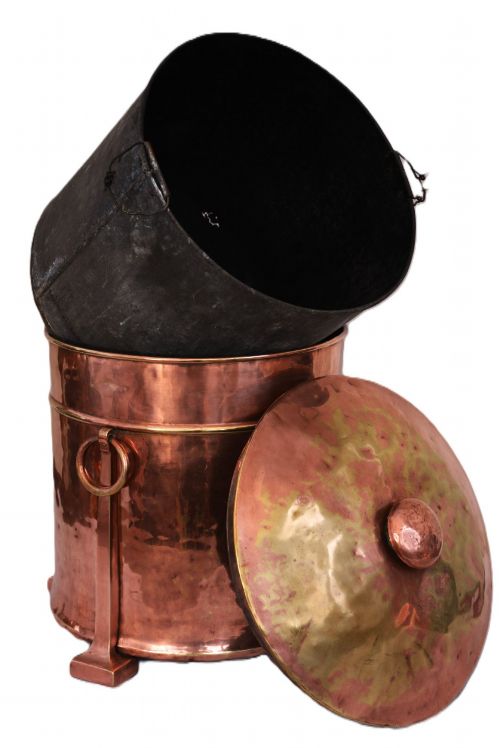
A hammered copper log bin brings tactile warmth and utilitarian craft to a hearth, combining sturdy metalwork with practical fireside storage.
Hammered Copper Log Bin
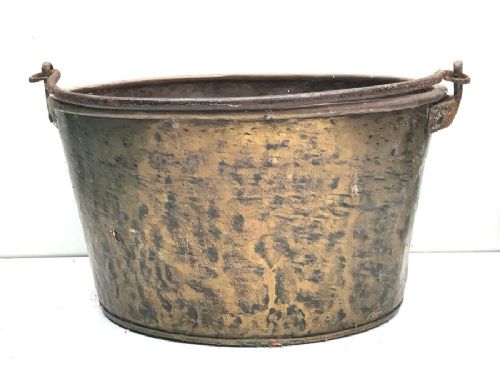
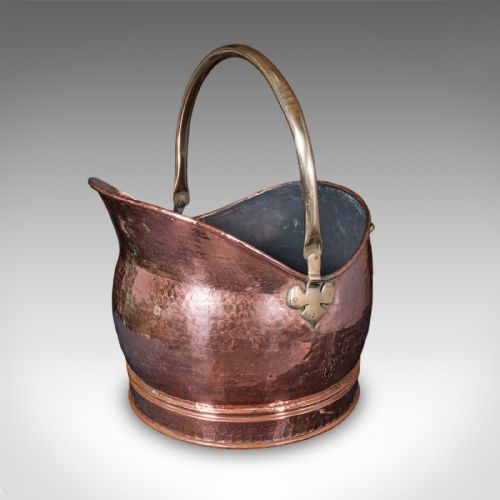
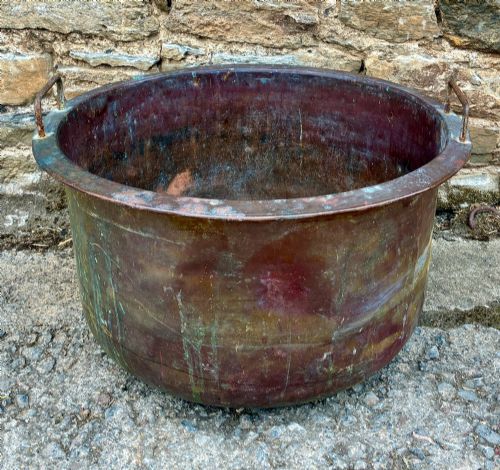
When searching for a hammered copper log bin, a buyer encounters a robust hearth container designed to hold fuel for an open fire. These items frequently overlap with coal scuttles, coal boxes, and planters originating from the nineteenth and early twentieth centuries.
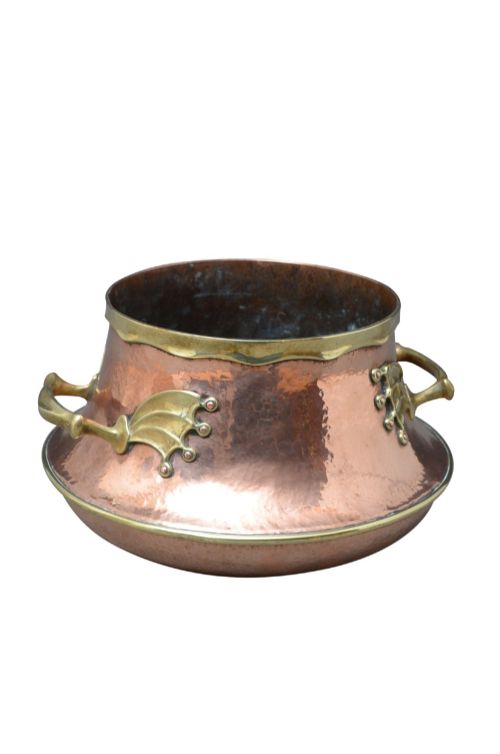
The versions most commonly met on this page date from the Victorian, Edwardian, and Arts and Crafts periods. They range from simple cylindrical buckets to handled receptacles incorporating brass, iron, or oak elements.
Makers and craftsmen of the period utilised durable base metals alongside hand-beaten finishes to create functional vessels for domestic use. Surviving examples demonstrate how utilitarian objects were often elevated through decorative metalwork.
Assessing Quality and Execution
Quality rests in the weight of the metal gauge and the deliberate regularity of the hand-beaten hammer marks across the body. Superior examples display secure joinery, such as robust riveting and well-fitted lids, rather than thin, easily dented sheet metal.
The integrity of secondary materials like oak frames or wrought iron stands further distinguishes finer pieces from standard utilitarian production. Balance and proportion in handles and feet indicate careful workshop design.
Some nineteenth-century grain measures quietly retired from agricultural duty to live out their days holding birch logs by the drawing-room fire.
The Hammered Copper Log Bin Glossary
- Hammered copper
- Metal sheet worked with a hammer to create a textured, light-catching surface. This technique defines the Arts and Crafts aesthetic.
- Coal scuttle
- A container specifically designed for carrying and storing coal near a fireplace. Many share forms with log buckets.
- Arts and Crafts
- A design movement emphasising handcraft, simple forms, and traditional materials. Pieces from this era often feature embossed plant motifs.
- Jardiniere
- An ornamental pot or stand for holding plants or flowers. These vessels were frequently adapted for use as log bins.
- Dinanderie
- A medieval term revived for decorative brass and copperware produced in Europe. It involves beaten and etched metal vessels.
Hammered Copper Log Bin: Frequently Asked Questions
How do I clean a copper log bin?
Maintenance requires gentle washing with warm soapy water to remove dust and soot from the surface. Avoid harsh abrasive cleaners that strip the natural aged patina.
Dry the metal thoroughly with a soft cloth to prevent water spots. Preserving the dark oxidation often enhances the antique character of the piece.
Are these bins waterproof for logs?
Most antique copper bins feature riveted seams and solid bases designed to contain dry fuel securely. However, damp logs can leave moisture inside over extended periods.
Using an interior liner protects the historic metal from prolonged dampness and corrosion. Check the base for historical repairs if storing damp items.
How do I date a copper log bin?
Dating relies on observing construction methods such as hand-riveting, dovetail joints in wood elements, and stylistic cues. Victorian and Edwardian examples often feature specific handle attachments and rim rollings.
Arts and Crafts pieces from around nineteen hundred typically display characteristic hand-beaten surfaces and strapwork hinges. Comparing the metal gauge provides additional context for the production era.
Can I use it as a planter?
Many copper vessels and jardinières function effectively as indoor plant holders. The generous proportions accommodate large potted plants in living spaces.
Ensure a saucer sits inside to catch drainage water and protect the historic copper base. This practical adaptation continues a long tradition of repurposing utilitarian containers.