


Wrought Iron Coal Scuttle
A wrought iron coal scuttle brings robust metalwork and hearth-side utility together, offering a practical way to hold fuel while anchoring the fireside room.
Wrought Iron Coal Scuttle
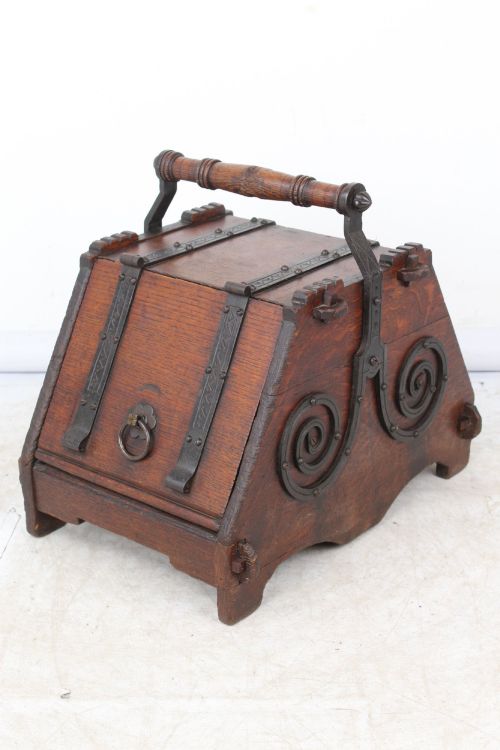
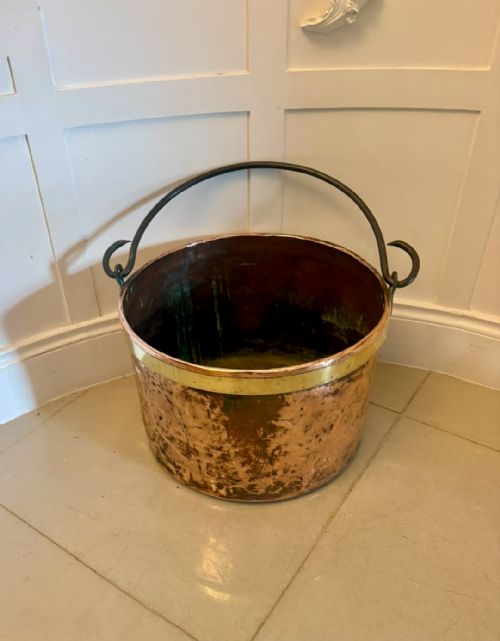
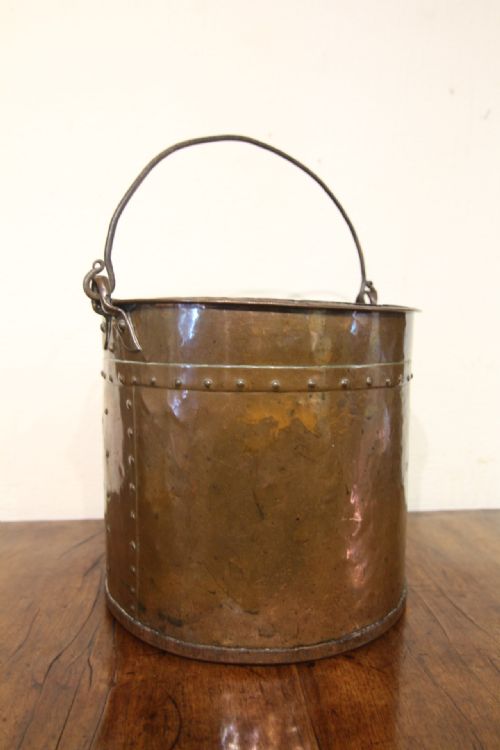
A wrought iron coal scuttle serves as a heavy-duty container for domestic fuel near a fireplace, combining structural ironwork with capacious vessels. When searching for a wrought iron coal scuttle, buyers encounter pieces that double as log buckets, coal buckets, and perdoniums.
The pieces listed here lean heavily towards 19th Century, Victorian, and early 20th Century examples, spanning dates from 1800 to 1920. Styles range from Georgian and Victorian Gothic Revival to Arts and Crafts, Art Nouveau, and Industrial Utilitarian.
Most entries pair wrought iron or cast iron frames, handles, and mounts with bodies hammered from copper or brass, occasionally incorporating oak. They function equally well today as fireside accessories or repurposed planters.
How they were made
Makers utilised hammered sheet copper and brass for the main bodies of these containers, joining metal plates with visible rivets. These lighter metal vessels sat within sturdy iron frames or were fitted with heavy wrought iron carrying handles.
Blacksmiths shaped the iron components by hand, heating and hammering the metal to form swing handles, brackets, and supporting legs. Oak elements were occasionally introduced for bases or structural reinforcements within the fireside vessels.
One exceptional blacksmith-made coal wagon on record proves that even heavy fuel transport once demanded playful rolling transport.
What varies in quality
Quality rests in the weight of the metal and the precision of the blacksmith's handwork on the iron handles and mounts. Thicker gauge copper bodies combined with substantial, well-forged ironwork distinguish sturdier utilitarian pieces from lighter decorative variants.
The integration of design styles also dictates distinction, particularly in how cleanly the hammered surfaces and riveted joints execute Arts and Crafts or Art Nouveau aesthetics. Evidence of individual blacksmith execution, as seen in bespoke coal wagons, marks another tier of craftsmanship.
Christopher Dresser
The Wrought Iron Coal Scuttle Glossary
- Wrought iron
- Tough, malleable iron that can be heated and hammered into shape by a blacksmith. It provides the strong handles and frames essential for carrying heavy loads of coal.
- Perdonium
- A specific type of enclosed coal scuttle, often featuring a sloping front lid or drop-down door. This form keeps fuel tidy and contained beside the hearth.
- Arts and Crafts
- A design movement valuing handcraftsmanship and simple forms over mass production. Pieces from this era often display honest riveted construction and hammered copper surfaces.
- Art Nouveau
- A style characterised by flowing, organic lines and stylised plant motifs. It appears on copper bucket bodies through decorative embossing and sinuous handles.
- Gothic Revival
- An architectural and decorative style drawing on medieval ecclesiastical forms. Items from this period incorporate pointed arches, heavy strapwork, and ecclesiastical ironmongery.
Wrought Iron Coal Scuttle: Frequently Asked Questions
What is the difference between a coal scuttle and a log bin?
Coal scuttles generally include pivoting handles and narrower spouts or scoops designed for pouring small pieces of fuel into a grate. Log bins tend to be wider, open-topped buckets meant for stacking heavier firewood logs.
Both items share similar copper bodies and iron framing, but their proportions reflect the specific fuel they were built to hold.
How do I date a copper and iron coal scuttle?
Dating relies on stylistic clues and construction methods, observing whether a piece exhibits Georgian restraint, Victorian Gothic Revival ornamentation, or Arts and Crafts hand-hammering. Early nineteenth-century examples often display simpler utilitarian lines, while 1900s pieces frequently embrace Art Nouveau curves.
Material combinations also offer guidance, as heavy cast iron frames and riveted copper construction span different decades of the Victorian and Edwardian eras.
Can I use an antique coal scuttle by an active fireplace today?
These metal containers are robust enough to hold coal, logs, or kindling beside a modern hearth without issue. Their original construction in iron and copper was intended for heavy daily domestic service.
They also transition easily into decorative roles away from the fire, functioning as umbrella stands or large indoor plant holders.
How should I clean a copper and wrought iron bucket?
Maintenance requires gentle dusting and occasional cleaning with appropriate metal care products if you prefer a bright shine. Many collectors prefer to leave the aged patina undisturbed on both the copper body and the dark iron handle.
Avoiding harsh abrasives protects the hand-hammered surface and the historical character of the metal.