


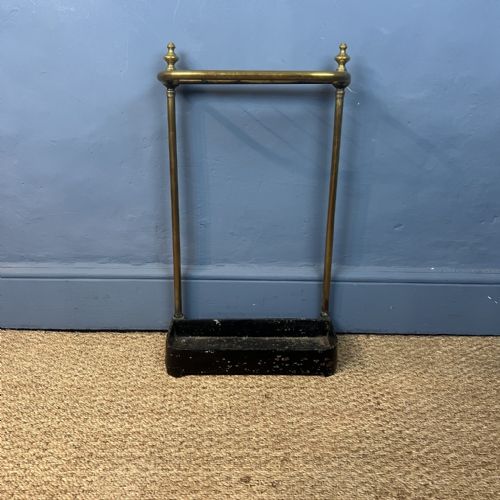
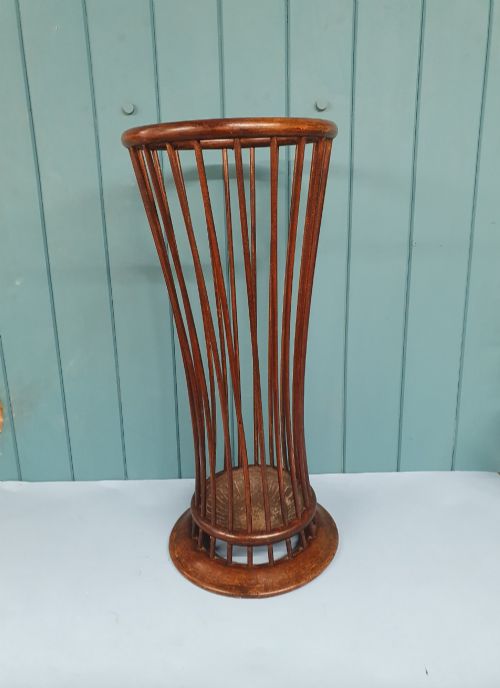
Hall Stick Holder
A hall stick holder keeps walking sticks, umbrellas and whips orderly in an entrance hall.
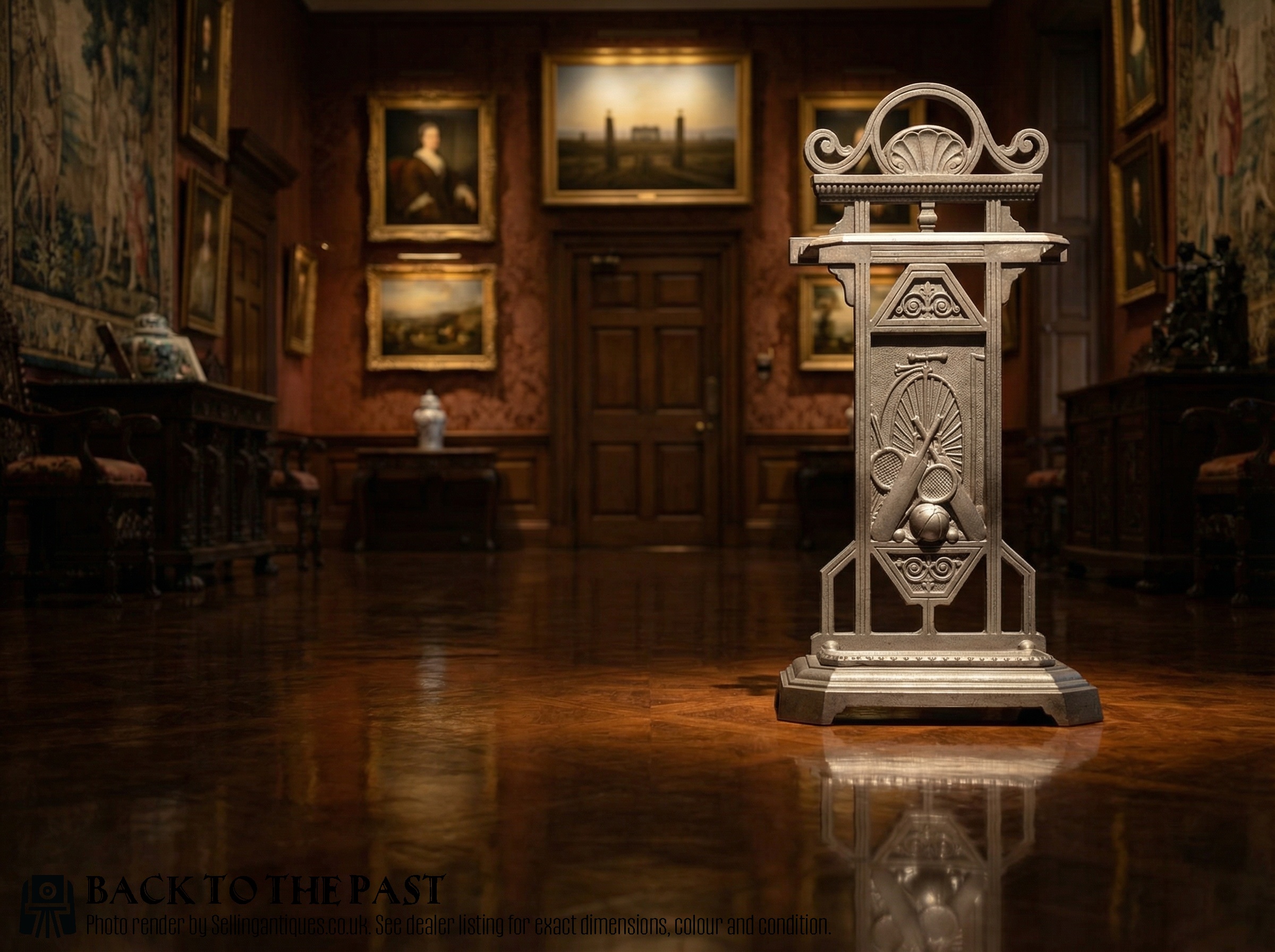
Hall Stick Holder
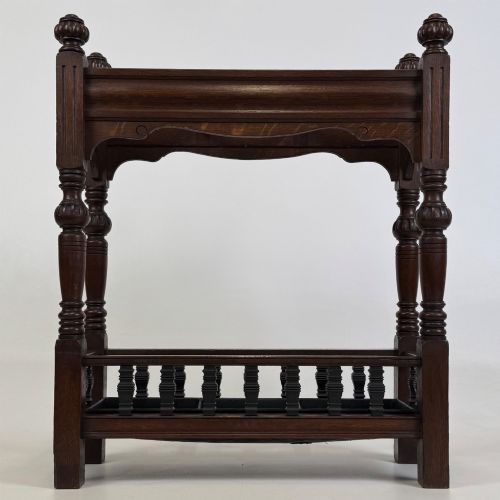
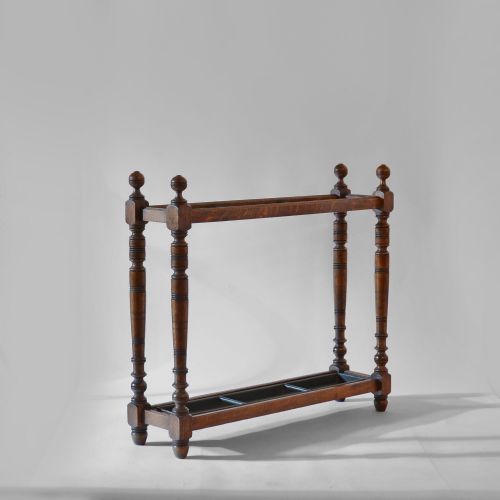
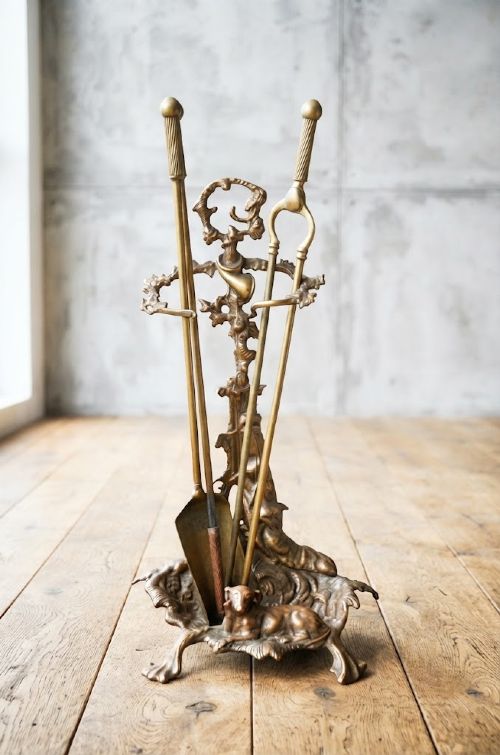
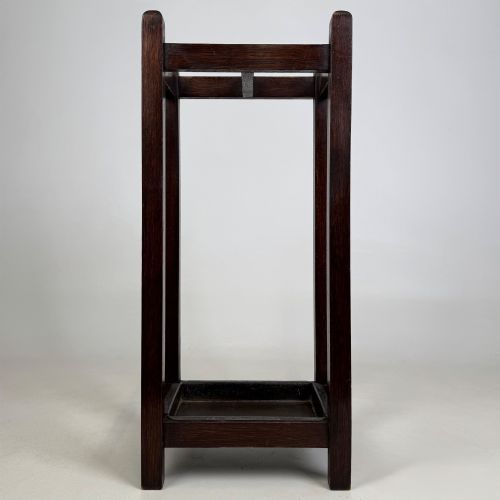
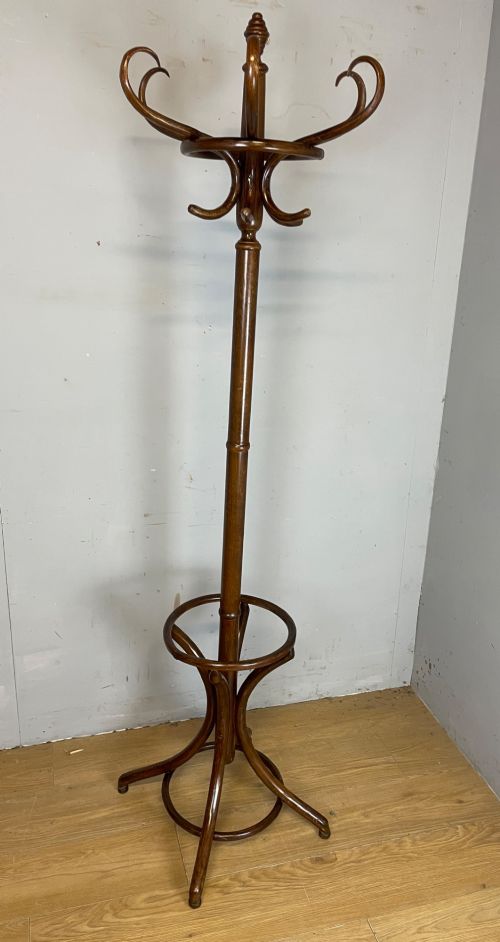
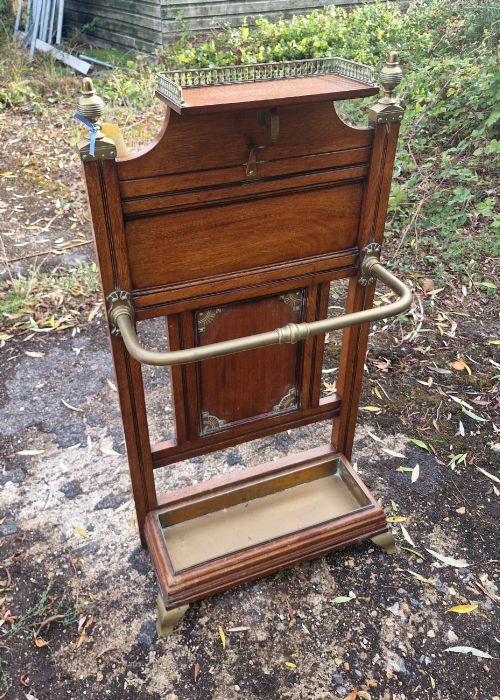
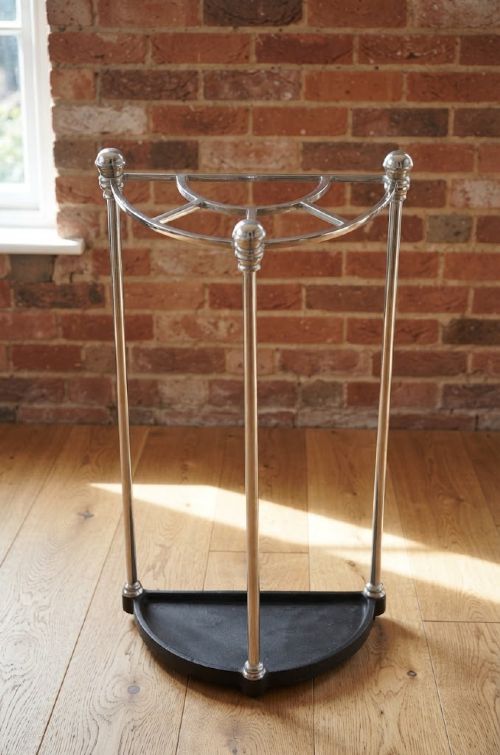
A hall stick holder functions as an entryway receptacle designed to contain walking sticks, umbrellas, and occasionally whips or riding crops. These pieces emerge in various forms, including dedicated stick stands, combined umbrella and stick stands, and larger hall stands incorporating coat hooks and mirrors.
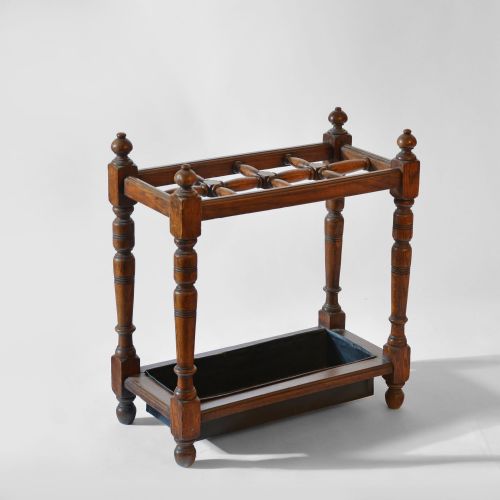
The versions most frequently encountered on this page date from the Victorian and Edwardian eras through to the early twentieth century. Common materials include oak, mahogany, cast iron, and brass, often accompanied by original metal drip trays to catch rainwater.
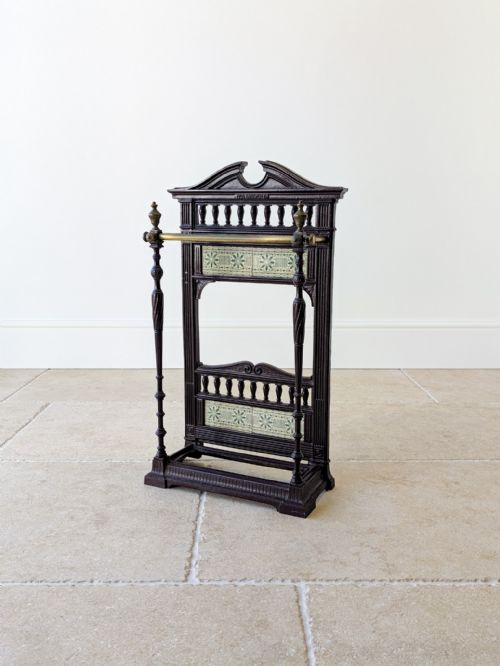
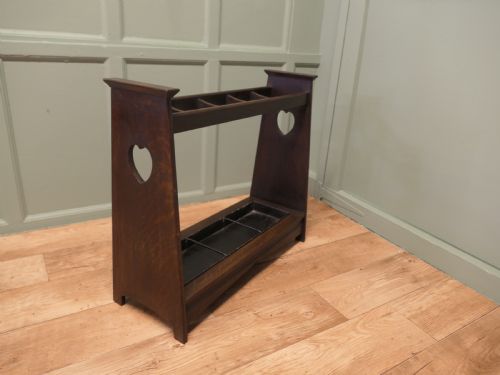
Makers and designers from the Aesthetic Movement, Arts and Crafts, and Art Nouveau periods contributed distinct stylistic treatments to these hall furnishings. Examples range from coopered oak barrels with brass bands to pierced cast iron frames and bentwood constructions.
Factors of quality
Quality rests upon the integrity of the materials and the retention of original components, such as internal drip trays and specific maker markings. Solid timber construction with proper coopered joints or hand-planed panels stands apart from later mass-produced alternatives.
Design ambition distinguishes standard utilitarian examples from pieces associated with notable ironfounders or aesthetic designers. Crisp casting detail in ironwork and thoughtful integration of brass fittings indicate superior workshop production.
Hall Stick Holder Retail Price Guide 2026
Typical asking prices for hall stick holder among the pieces listed under this phrase on Sellingantiques today, from the lower quarter to the upper quarter. They describe what is for sale here now, not the wider market.
Several stands incorporate integrated boot racks or coat hooks alongside dedicated umbrella storage.
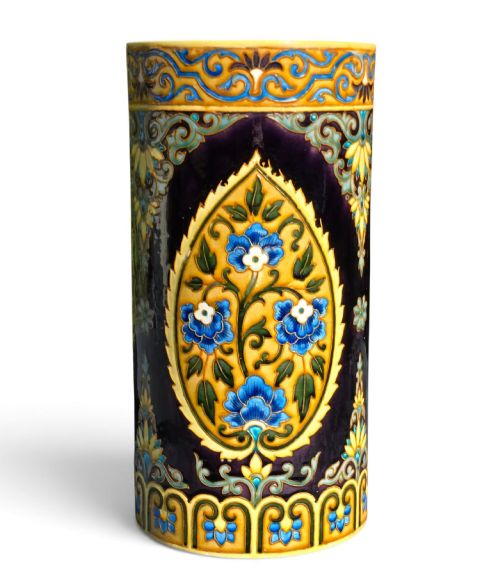
Coalbrookdale·Thomas Jeckyll·Théodore Deck·Liberty
The Hall Stick Holder Glossary
- Drip tray
- A shallow metal receptacle placed at the base of a stand to catch water from wet umbrellas. These trays are frequently removable for emptying and cleaning.
- Coopered
- A method of construction using tapered wooden staves fitted side by side and bound by metal hoops, similar to barrel-making. This technique appears often in circular oak stick stands.
- Demi-lune
- A half-moon shape used for the footprint of stands designed to sit flush against a hallway wall. This configuration maximises floor space in narrow corridors.
- Faux bois
- A decorative technique imitating wood grain, often rendered in cast iron to resemble natural branches or bamboo during the Art Nouveau period.
Hall Stick Holder: Frequently Asked Questions
How do I clean a cast iron stick stand?
Dust the iron surfaces gently with a dry cloth and remove the lower drip tray to empty accumulated water and debris.
Avoid using harsh chemical polishes that might damage painted or enamelled finishes on older metalwork.
Where should I place a stick stand?
Position the piece near the primary entrance of a home where outdoor gear is routinely deposited upon arrival.
Ensure there is sufficient clearance for umbrellas to be removed without scraping surrounding walls or furniture.
Are original drip trays important?
Original metal drip trays add authenticity and match the intended wear pattern of the lower frame.
Replacements do occur, but matching trays confirm the integrity of the interior configuration.
How do I tell Edwardian stands from Victorian ones?
Victorian examples often employ heavier cast iron or dark carved woods with dense decorative motifs.
Edwardian pieces tend toward lighter golden oak frames and simpler geometric or Arts and Crafts lines.