


Guilloche Enamel Jewellery
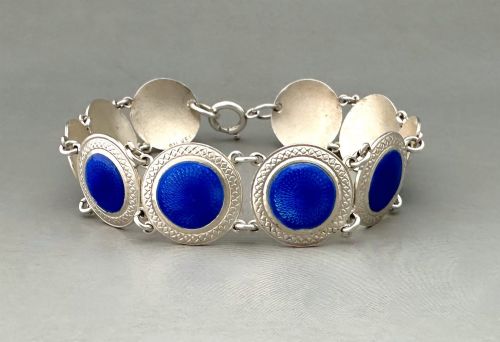
Guilloche enamel jewellery brings together precision machine-turned metalwork and translucent coloured glass, offering collectors a rich variety of brooches, pendants, and boxes spanning the Victorian to mid-century periods.
Guilloche Enamel Jewellery
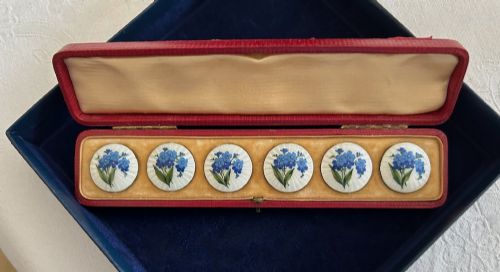
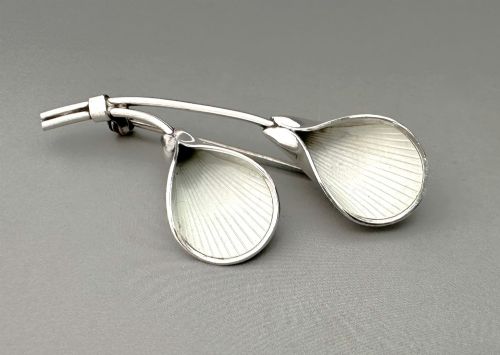
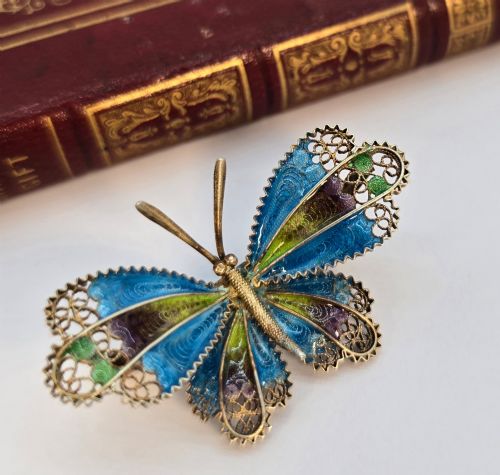
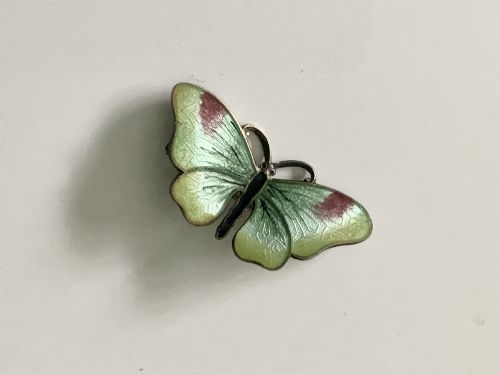
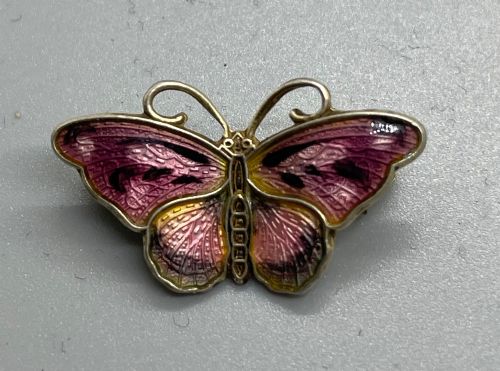
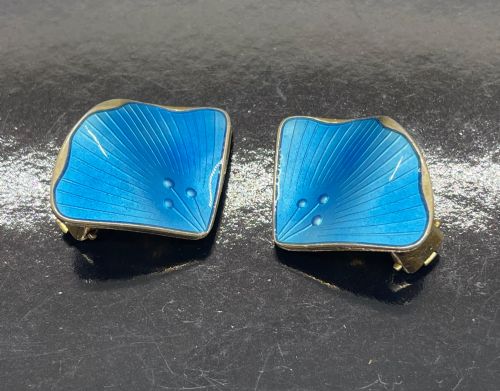
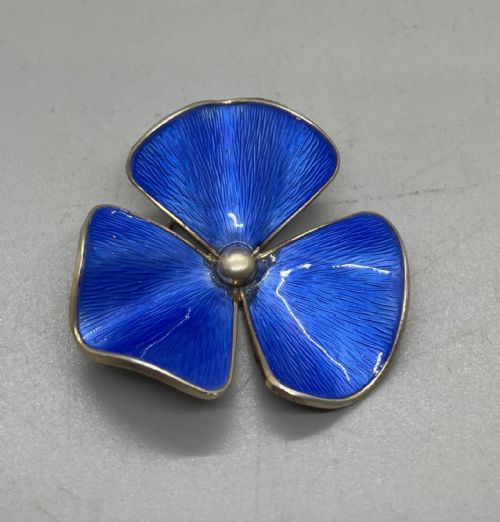
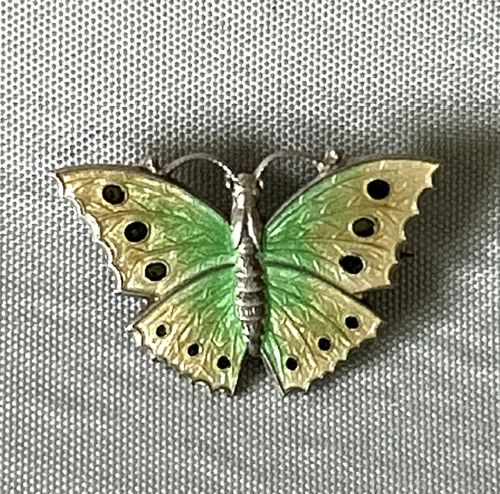
Norwegian workshop pieces and English manufactured items form a large portion of the available selection, often taking the form of colourful butterflies, delicate flowers, or geometric Art Deco panels. These works capture the design philosophies of periods ranging from 1900 to 1960, utilising forms typical of Scandinavian modern and traditional revival aesthetics.
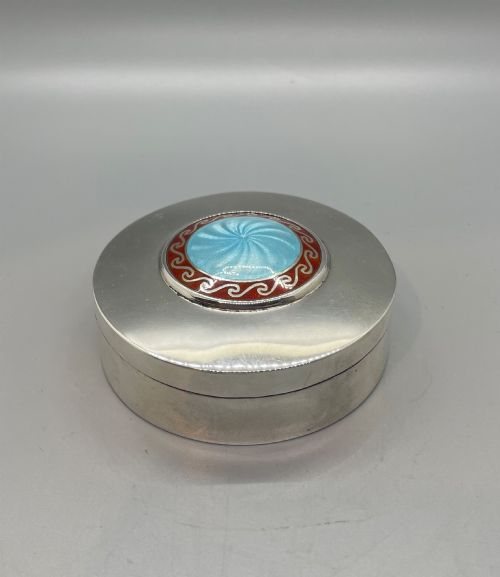
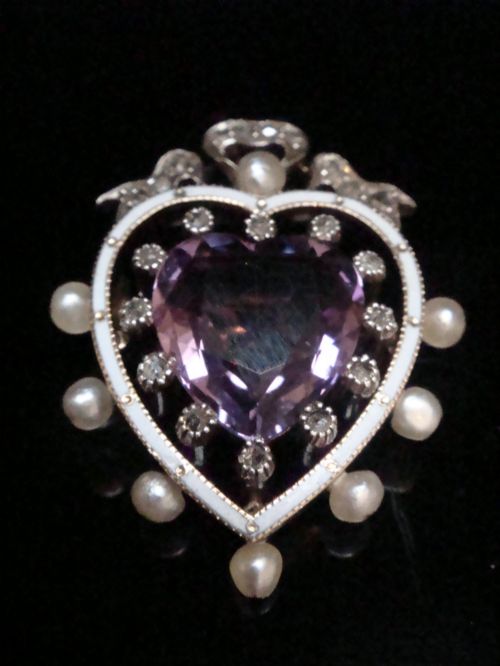
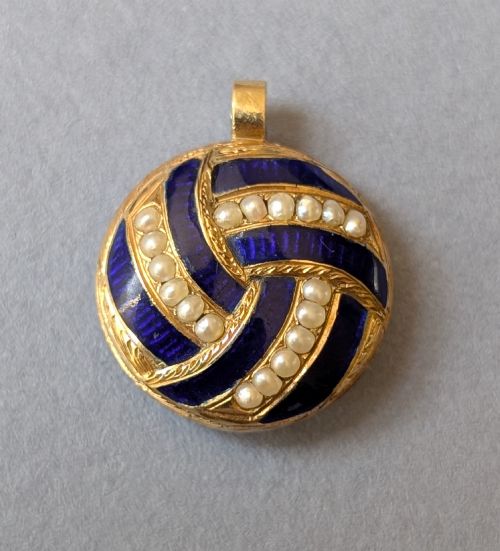
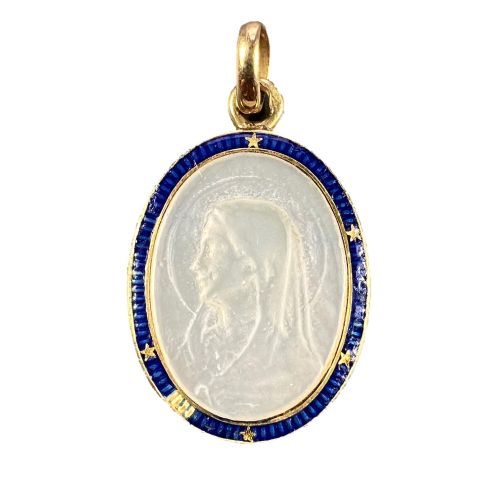
Items range from tiny silver gilt dress clips to substantial sterling silver boxes lined in silk, reflecting both personal adornment and domestic luxury. Buyers frequently find pieces incorporating natural pearls, diamonds, and garnets alongside the primary enamel work.
How guilloche enamel jewellery was made
The foundation of these pieces relies on mechanical engraving, where a lathe cuts precise, repeating geometric patterns into a metal base such as sterling silver, silver gilt, or gold. This underlying texture catches and reflects light through subsequent translucent layers.
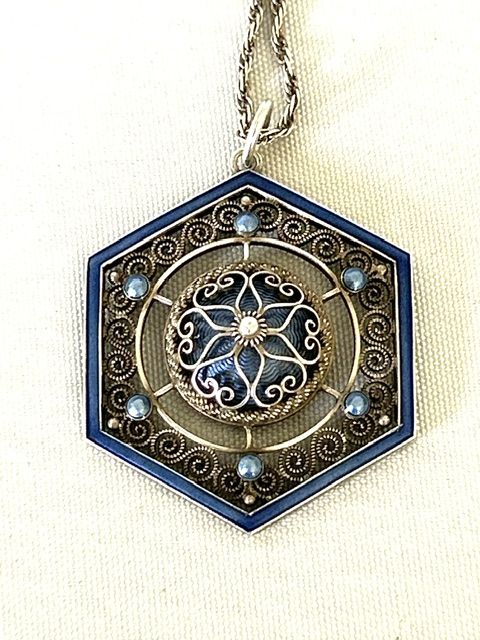
Vitreous enamel, composed of powdered glass fused by heat, is applied over the engraved metal surface in multiple firings to achieve rich colour saturation. Artisans frequently combined these enamelled panels with filigree wirework, marcasite, or precious stones to complete the composition.
Guilloche Enamel Jewellery Retail Price Guide 2026
Typical asking prices for guilloche enamel jewellery among the pieces listed under this phrase on Sellingantiques today, from the lower quarter to the upper quarter. They describe what is for sale here now, not the wider market.
Listings feature items from the Victorian, Edwardian, Art Deco, and mid-century periods, utilising silver, gold, pearls, and diamonds.
What varies in quality in guilloche enamel jewellery
The intricacy and precision of the underlying engine-turned engraving dictate much of the visual depth, with finer lines creating a more luminous play of light beneath the translucent glass. Superior examples maintain an even glass thickness without pooling or thinning at the edges of the metal cell boundaries.
The choice of base metal introduces significant variation, shifting from standard silver to heavy silver gilt, 14ct gold, and 18ct gold mounts often accented with diamonds or natural pearls. Master workshops also demonstrated greater control in achieving complex dual-colour enamel gradients and flawless surface polishes.
Marius Hammer·Aksel Holmsen·A H Darby And Son·Hroar Prydz·Harold Arthur Lazarus·Deakin And Francis·C E Turner·Henry Clifford Davis·J And R Attenborough·Elkington And Co·Asprey·Henry Matthews
The Guilloche Enamel Jewellery Glossary
- Guilloche
- A decorative technique where a mechanical lathe engraves a precise, repetitive pattern into a metal surface. This creates the signature geometric backdrop seen beneath translucent enamel layers.
- Vitreous Enamel
- A material made by fusing powdered glass to a metallic substrate through high-temperature firing. It provides the durable, glossy coloured surface characteristic of these antiques.
- Silver Gilt
- Sterling silver that has been coated with a thin layer of gold. This finish adds warmth and protects the underlying silver from tarnishing.
- Filigree
- Delicate jewellery-making technique using fine threads of gold or silver soldered together in openwork motifs. It frequently frames enamel panels in mid-century Scandinavian designs.
- Engine-Turning
- The mechanical process of cutting precise geometric designs into metal using a specialised lathe. It forms the essential first step in creating patterned enamel work.
Guilloche Enamel Jewellery: Frequently Asked Questions
What is guilloche enamel?
Guilloche enamel is a decorative art where fine geometric patterns are mechanically engraved into metal and covered with translucent coloured glass.
This technique allows light to pass through the glass and reflect off the textured metal underneath, producing a shimmering depth.
How do I date these pieces?
Dating relies on hallmarks, maker marks, metal standards, and stylistic shifts such as Victorian naturalism or Art Deco geometry.
English pieces often carry assay office marks and date letters, while Scandinavian items frequently feature maker stamps and silver purity standards.
Were these items used daily?
Many items, such as brooches, pendants, and charm bracelets, served as personal adornment for daily wear or special occasions.
Larger items like silver boxes were kept on dressing tables to store rings, trinkets, and accessories.
How should I care for my enamel jewellery?
Enamel is essentially glass and requires gentle handling to prevent scratching, impact damage, and exposure to harsh chemicals.
Cleaning should be done with a soft cloth and warm soapy water, avoiding ultrasonic cleaners that can crack the glass or loosen settings.