


Grey Pewter Candlesticks
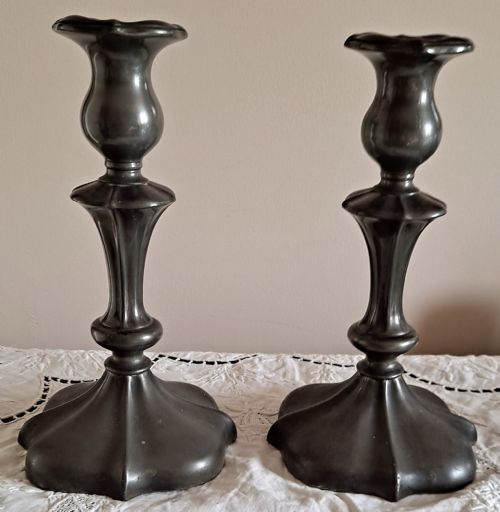
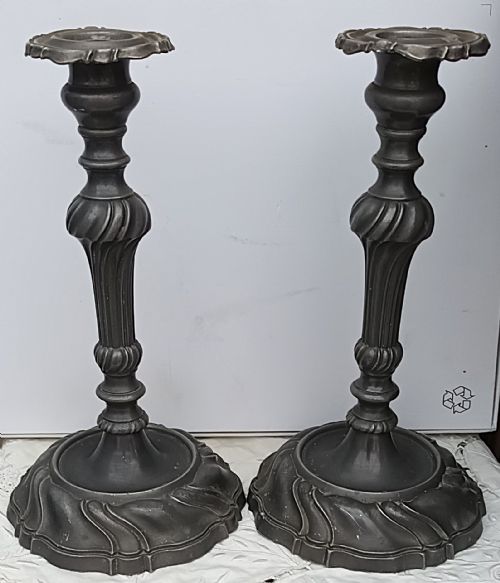
These grey pewter candlesticks span the seventeenth to the twentieth century, bringing tactile metalwork and historical styles into modern rooms.
Grey Pewter Candlesticks
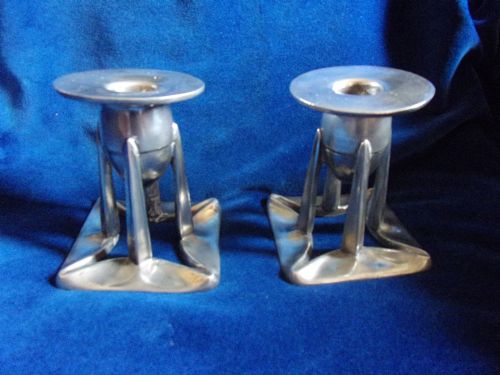
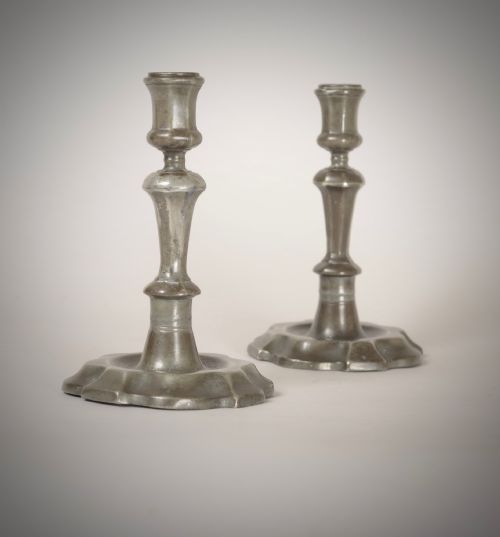
The selection ranges from early Georgian and Victorian Rococo revival designs to Art Nouveau and Art Deco creations. Most examples take the form of paired candlesticks designed for domestic illumination.
Makers utilised traditional metalworking techniques across these periods, resulting in surfaces that have aged to a characteristic muted grey tone. Certain pieces incorporate supplementary materials such as tortoiseshell alongside the core metal.
Materials and construction methods
Pewter forms the primary substance of these objects, shaped through casting methods appropriate to each respective period. The metal develops a natural grey patina over time through handling and oxidation.
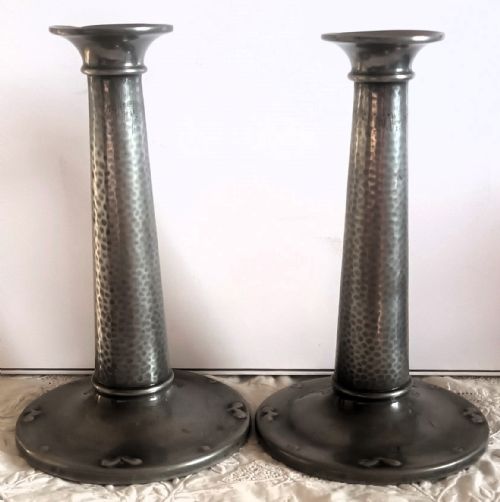
Victorian and twentieth-century examples integrate stylistic motifs associated with Art Nouveau, Arts and Crafts, and Rococo movements directly into the cast surface. Selected nineteenth-century variants combine pewter with tortoiseshell panels for contrasting texture.
Grey Pewter Candlesticks Retail Price Guide 2026
Typical asking prices for grey pewter candlesticks among the pieces listed under this phrase on Sellingantiques today, from the lower quarter to the upper quarter. They describe what is for sale here now, not the wider market.
The listings span periods from the 17th Century through to the 1930s, using pewter and tortoiseshell.
Judging quality in pewter lighting
Quality depends upon the crispness of the cast detail and the integrity of the original form across Stuart, Georgian, and later iterations. Pieces featuring distinct stylistic attribution, such as Archibald Knox designs or defined Arts and Crafts work, demonstrate higher design execution.
The condition of the grey surface and the stability of the soldered or cast joints determine the overall merit of an individual candlestick. Examples retaining balanced proportions and uncompromised structural components represent the better tier of surviving metalwork.
Archibald Knox
The Grey Pewter Candlesticks Glossary
- Pewter
- A malleable metal alloy consisting primarily of tin, combined with copper, antimony, or bismuth. It provides the foundational material for these candlesticks and acquires a soft grey finish.
- Stuart
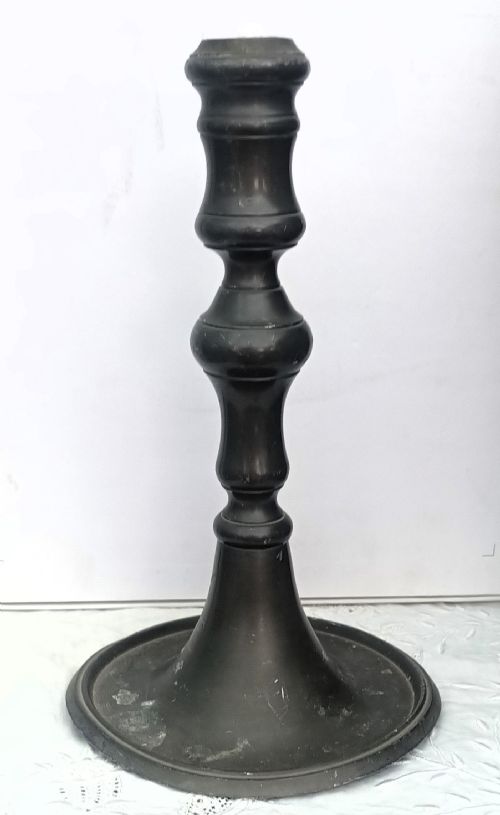
- A design period spanning the seventeenth century, characterised by robust proportions and early domestic forms. Candlesticks from this era display straightforward casting techniques.
- Arts and Crafts
- A design movement valuing handcraftsmanship and simple forms over industrial mass production. Pieces from this style often feature honest construction and understated surface ornament.
- Art Nouveau
- A decorative style distinguished by organic plant-like lines and asymmetric flowing contours. This aesthetic appears on late nineteenth and early twentieth-century metalwork.
- Tortoiseshell
- A natural material derived from the shell of certain turtle species, used occasionally in nineteenth-century pieces to accent pewter stems or bases.
Grey Pewter Candlesticks: Frequently Asked Questions
What periods do grey pewter candlesticks cover?
The inventory includes items from the seventeenth, eighteenth, and nineteenth centuries, extending into twentieth-century production.
Specific dates range from seventeenth-century Stuart pieces through Georgian, Victorian, and Art Deco eras.
Are these candlesticks sold as pairs?
Many listings comprise matched pairs designed for symmetrical placement on mantelpieces or tables.
Single candlesticks also appear within the selection for specific display contexts.
What styles influence these designs?
Styles span Stuart, Georgian, Victorian Rococo, Arts and Crafts, Art Nouveau, and Art Deco movements.
Each period imparts distinct decorative elements to the cast pewter surface.
Do any pieces combine other materials?
Certain nineteenth-century examples incorporate tortoiseshell alongside the primary pewter body.
This combination adds textural contrast to the grey metal framework.