




Grey Pencil Drawing
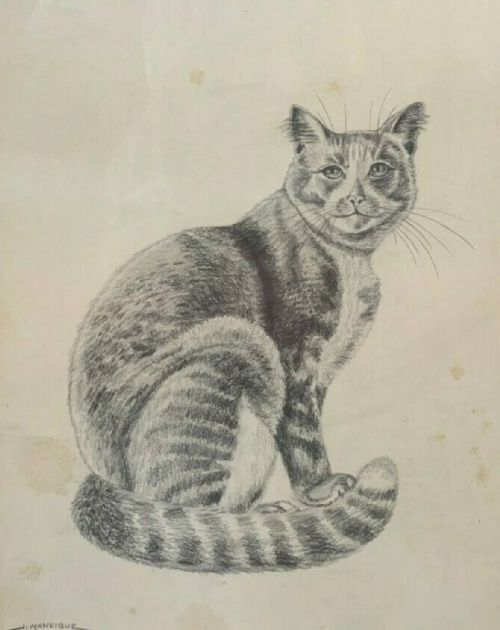
A grey pencil drawing brings quiet intimacy to a room, capturing a fleeting gesture or architectural detail through monochrome graphite.
Grey Pencil Drawing
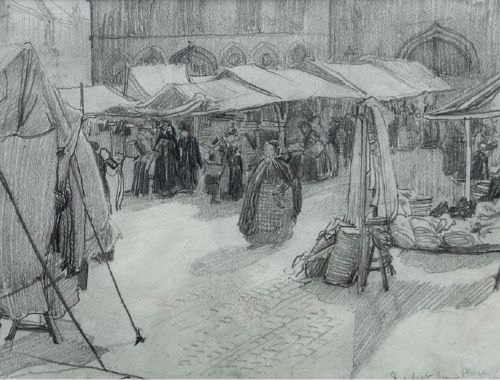
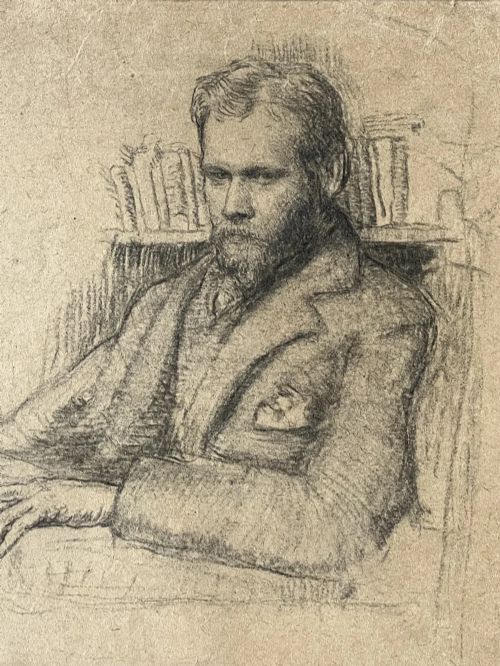
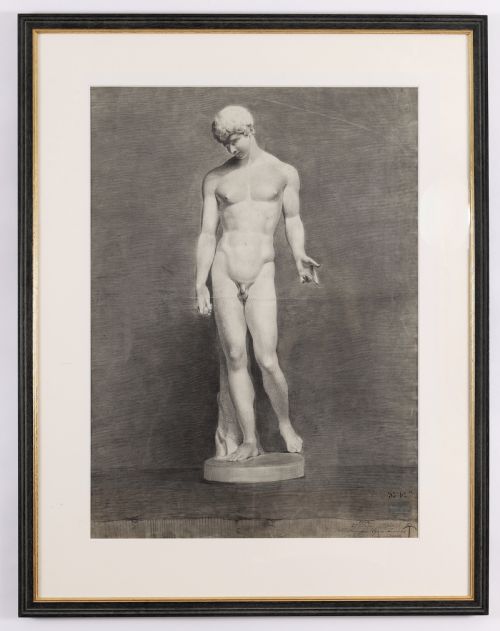
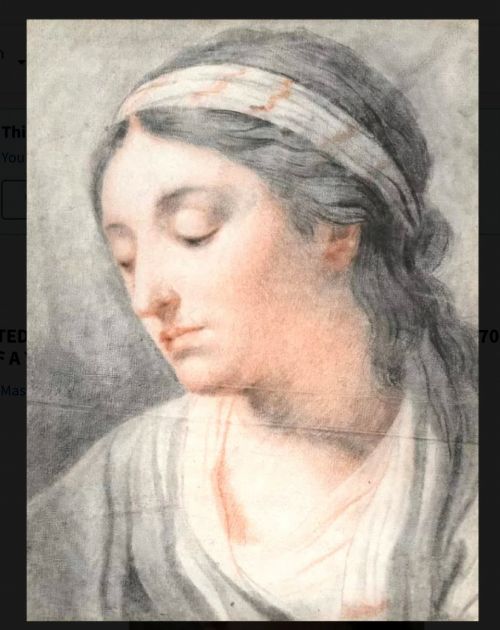
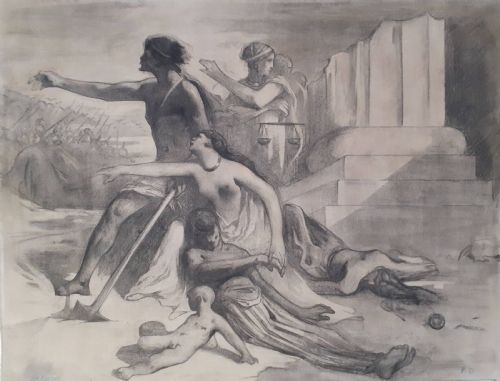
A grey pencil drawing captures subjects ranging from portraits and townscapes to symbolist and surrealist scenes on paper. Buyers searching for a grey pencil drawing encounter works spanning the eighteenth century through to the mid-twentieth century, including Victorian and Edwardian pieces.
Materials and technique
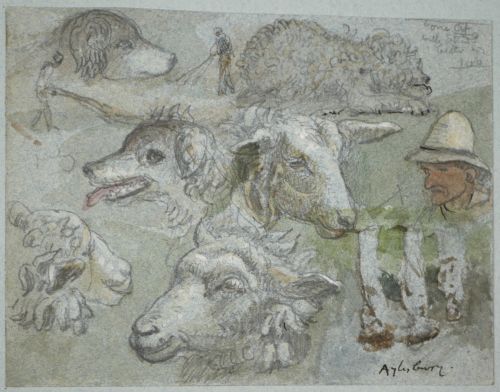
Artists utilise graphite and pencil on paper support, often supplemented with chalk or charcoal to deepen shadows and highlight contours. Watercolour is frequently introduced as a wash to add tonal variation beneath or alongside the linework.
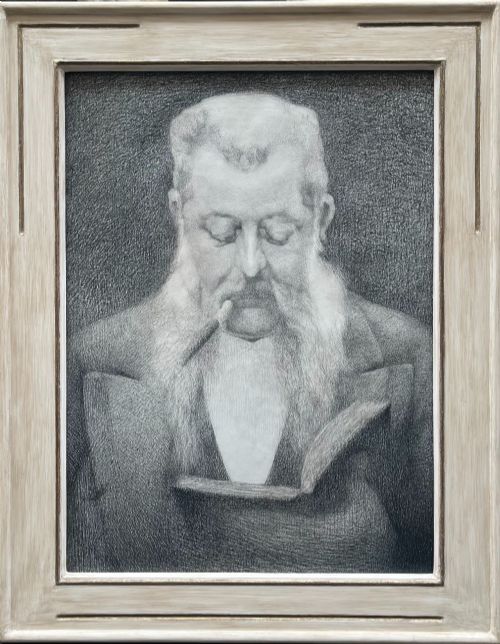
Framed works preserve these delicate paper mediums behind glass and within wood surrounds. The technique relies on precise hand-drawn marks, varying pressure to achieve the subtle greys characteristic of grisaille and graphite studies.
The listings span from the eighteenth century to the 1950s, recording graphite, chalk, charcoal and watercolour on paper.
Assessing the work
Quality rests upon the sureness of the hand and the sensitivity of the line, distinguishing a confident portrait study from a rigid academic exercise. The skill in handling graphite to convey texture, expression and light dictates the standing of each piece.
Condition of the paper and the preservation of the delicate medium beneath glass also influence the character of the work. Strong provenance and clear attribution to known artists elevate individual drawings within the historical range.
Henry Percy Huggill·James Smetham·Augustus John·Dame Laura Knight·Fred Lawson·Leo Klin·Francis Dodd·Alexandre Decamps
The Grey Pencil Drawing Glossary
- Graphite
- A form of crystalline carbon used in pencils, leaving a grey metallic mark on paper. It replaced lead for sketching and detailed drawing from the sixteenth century onwards.
- Grisaille
- A painting or drawing executed entirely in shades of grey or neutral monochrome. This technique often mimics the appearance of sculpture or relief work.
- Chalk
- A soft, earthy drawing material made from limestone or prepared minerals, providing rich opaque lines. It frequently accompanies graphite in portrait studies to add highlights or soft shading.
- Symbolist
- An artistic movement of the late nineteenth century focusing on metaphor, dreams and internal emotional states rather than strict realism. Works from this tradition use line and tone to evoke mystery.
Grey Pencil Drawing: Frequently Asked Questions
How do I hang a pencil drawing safely?
Keep works on paper away from direct sunlight to prevent the graphite and paper support from fading over time. Ensure the framing uses acid-free mounts and glass that protects against ultraviolet rays.
Position the drawing on an interior wall with stable humidity and temperature conditions. This prevents the wood frame and paper from warping in changing household environments.
What periods do these drawings cover?
The pieces span from the eighteenth century through the nineteenth and twentieth centuries. You will find Victorian, Edwardian, Art Deco and mid-century examples within the selection.
Earlier works often lean towards neoclassical or academic portraiture, while later pieces explore surrealist and modernist approaches.
Are these drawings always monochromatic?
Most works rely on grey graphite, charcoal or chalk, sometimes enhanced by grisaille shading. This restrained palette focuses attention entirely on line, tone and form.
Several pieces introduce subtle watercolour washes alongside the pencil work, adding tinted depth to architectural townscapes and portraits.
How are portraits and townscapes typically presented?
Many examples arrive ready to hang in period wood frames behind protective glass. This framing preserves the fragile graphite and paper surfaces from dust and handling.
Other works are offered as loose original sheets, allowing collectors to choose bespoke framing that suits their interior space.