




Pencil Figure Study
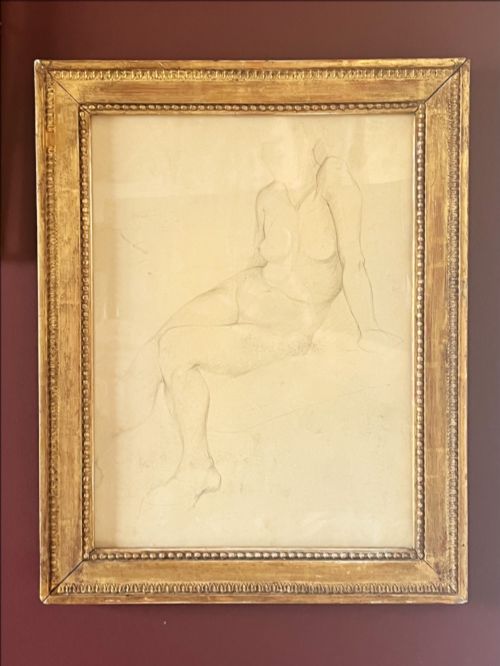
A pencil figure study captures the human form through immediate line and tone, offering a direct record of an artist's working process.
Pencil Figure Study
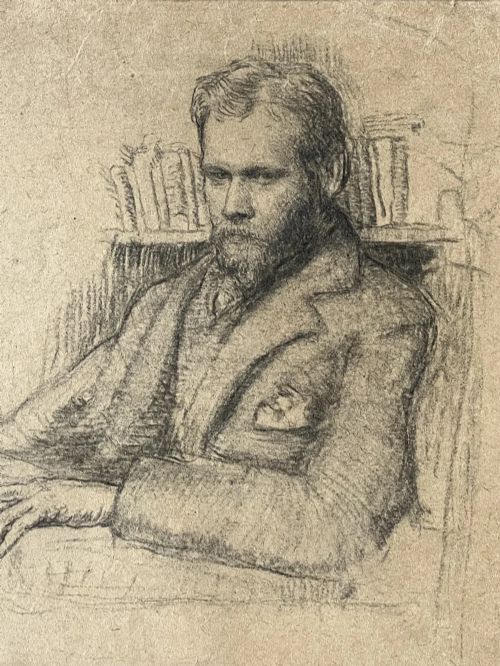
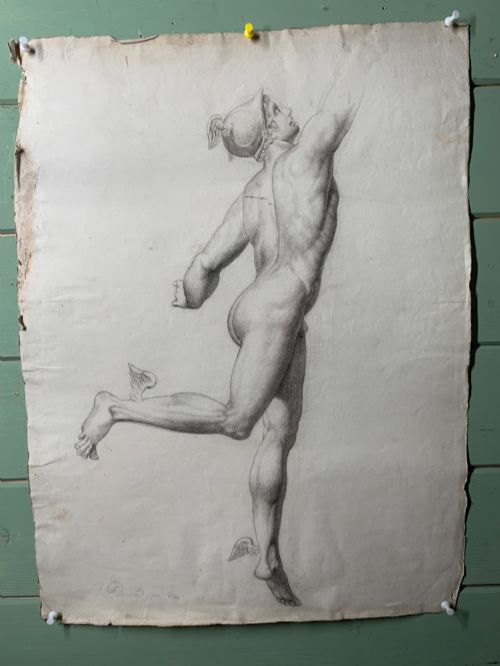
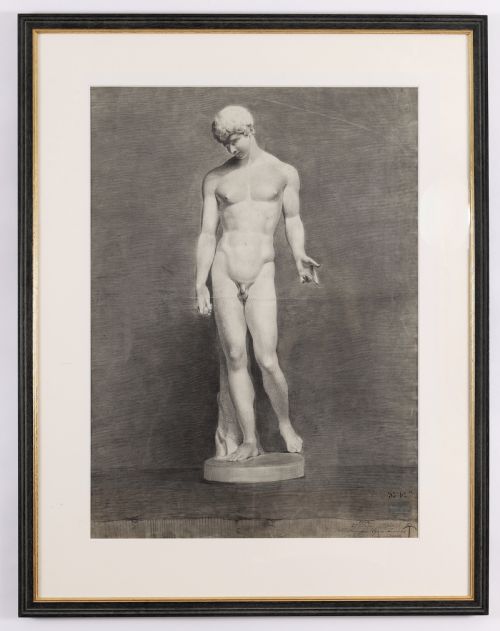
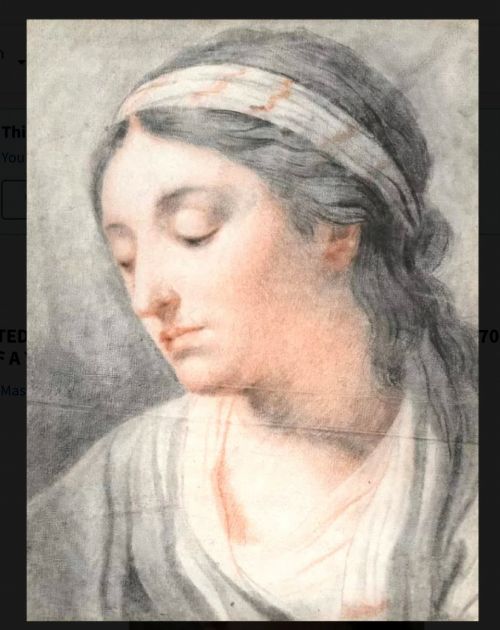
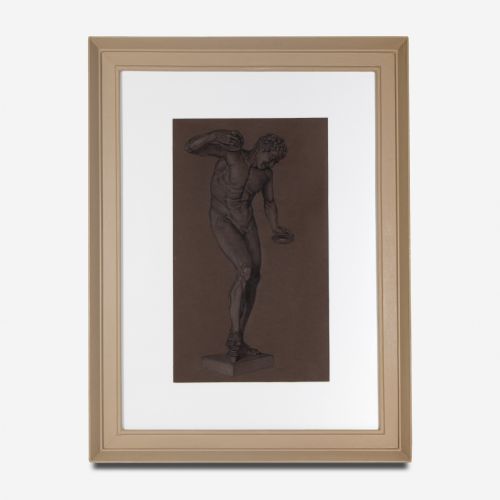
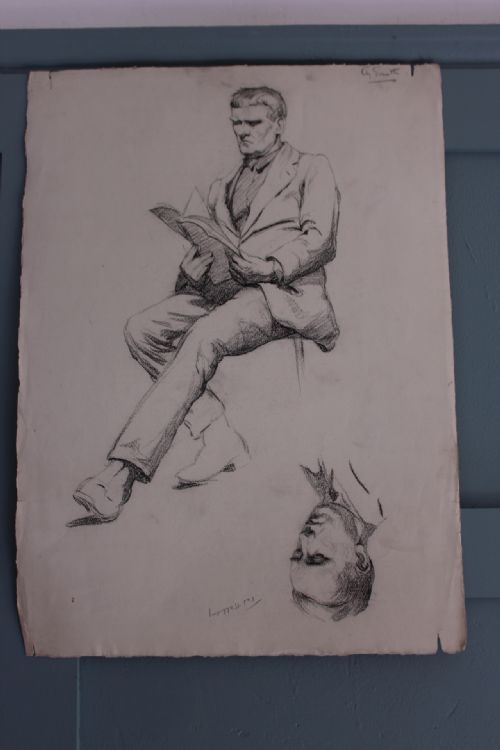
A pencil figure study focuses on the human form, ranging from academic renderings of classical figures to intimate portraits and expressive life drawings. When exploring this selection, buyers frequently encounter works framed as wall art or presented within decorative collections.
The material record spans from the Georgian era through the 19th century and into the 20th century, encompassing styles such as academic realism, neoclassicalism, and modern British art. These works appear primarily on paper, preserved in wood or antique gilt frames.
Materials and Technique
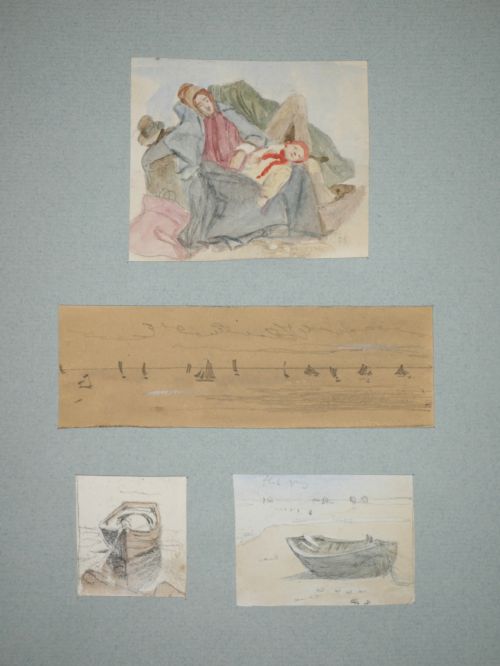
Draftsmen relied on graphite and pencil on paper to build form through delicate hatching, tonal shading, and precise contour lines. Many examples incorporate charcoal, chalk, or watercolour washes to add depth and emphasis to the composition.
Artists often executed these drawings as preparatory sketches for larger paintings or as independent academic exercises. The support typically consists of aged paper housed within period wood or glass-fronted frames.
Some anonymous sitters stare back across centuries with expressions suggesting they sat impatiently while the artist fumbled for a fresh piece of chalk.
Distinctions in Quality
Quality rests upon the sureness of the draftsman's hand, where confident, economical lines reveal a deep understanding of human anatomy and proportion. Stronger examples demonstrate expressive vitality and precise control over light and shadow.
The distinction also lies in the completeness of the composition and the preservation of the paper support. Well-documented works with clear stylistic attribution or notable historical context stand apart from anonymous studio fragments.
James Smetham·Augustus John·Demetrios Galanis·Robert Richard Scanlan·Francis Dodd
The Pencil Figure Study Glossary
- Graphite
- A form of crystalline carbon used as a drawing medium. It produces marks ranging from silvery grey to deep black depending on the hardness of the lead.
- Academic Realism
- A style of painting and drawing produced under the influence of European academies of art. It emphasises precise anatomical accuracy and classical subject matter.
- Neoclassical
- An artistic movement drawing inspiration from the classical art and culture of ancient Greece and Rome. It prioritises clean lines, solemn subjects, and balanced composition.
- Studio Stamp
- An ink mark applied to a drawing or painting after an artist's death, typically by their estate to validate origin.
- Deux Crayon
- A drawing technique utilising two colours of chalk or pencil, commonly black and red or white and black, on tinted paper to create highlights and shadows.
Pencil Figure Study: Frequently Asked Questions
What is a pencil figure study?
A pencil figure study is an original drawing centred on the human body, created to capture posture, anatomy, or expression.
These works range from rapid compositional sketches to highly finished academic portraits intended for display.
How should I frame an old drawing?
Old drawings on paper require conservation-grade mounting to prevent acid transfer and direct contact with glass.
Keeping them away from direct sunlight protects the delicate graphite, charcoal, and watercolour pigments from fading.
How do I identify the period of a drawing?
Dating relies on the watermark and quality of the paper, the framing materials, and the characteristic costume or hairstyle of the sitter.
Stylistic markers such as neoclassical discipline or modernist abstraction also point toward specific decades.
Were these studies meant to be finished artworks?
Many pencil studies served as preparatory steps for larger oil paintings or historical scenes rather than standalone pieces.
Artists kept them in studio portfolios to record postures and lighting before committing them to canvas.