




Academic Art Sketch
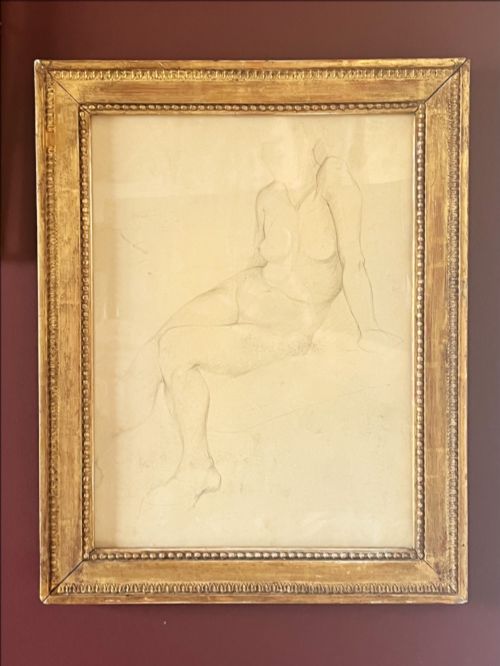
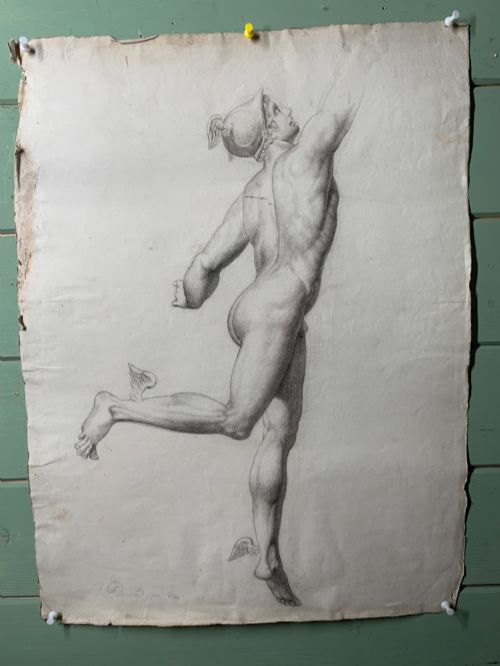
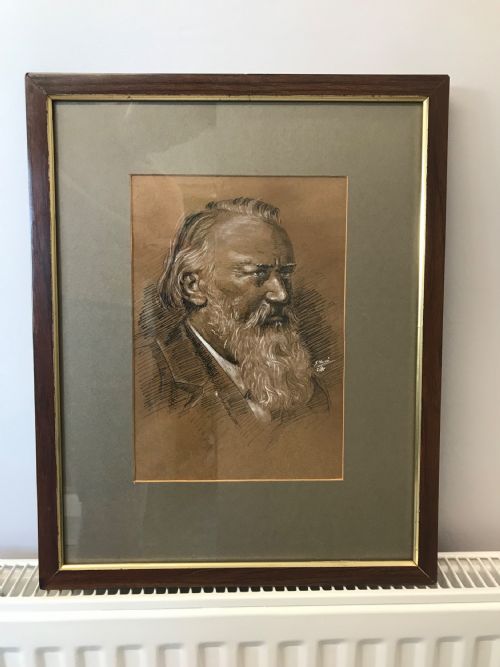
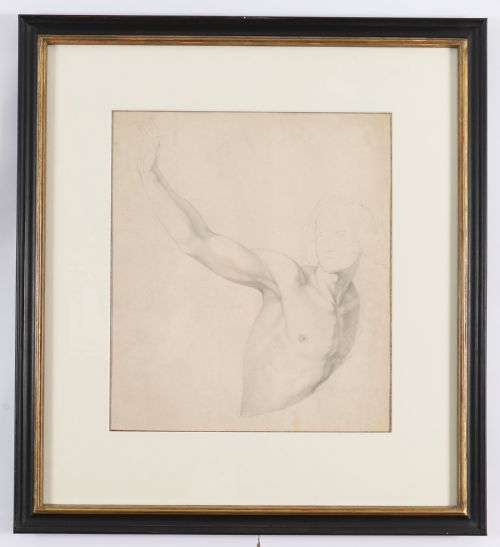
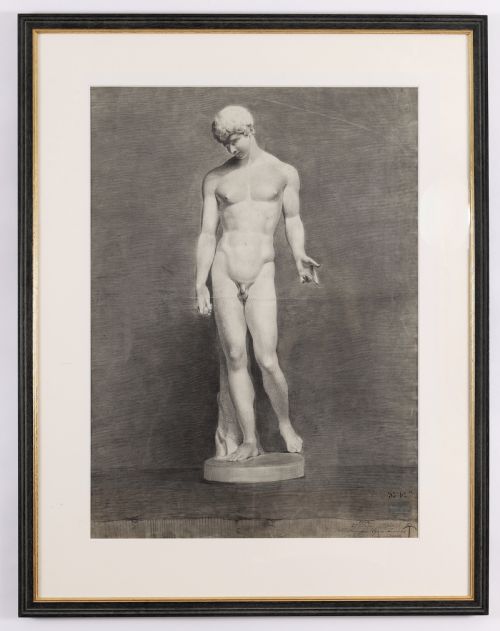
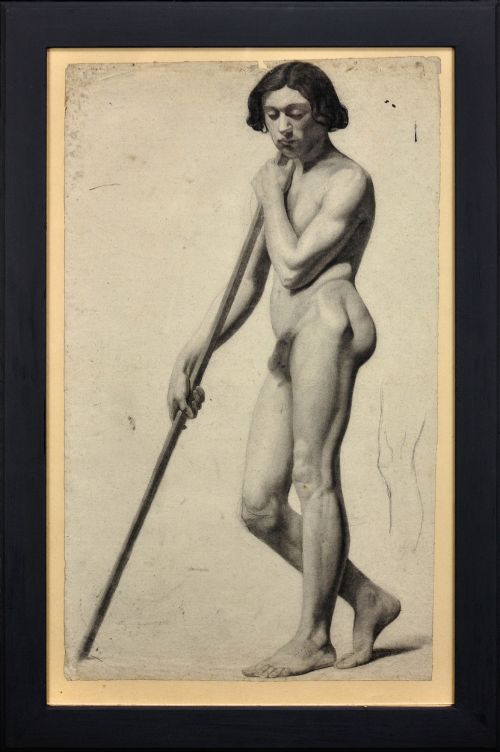
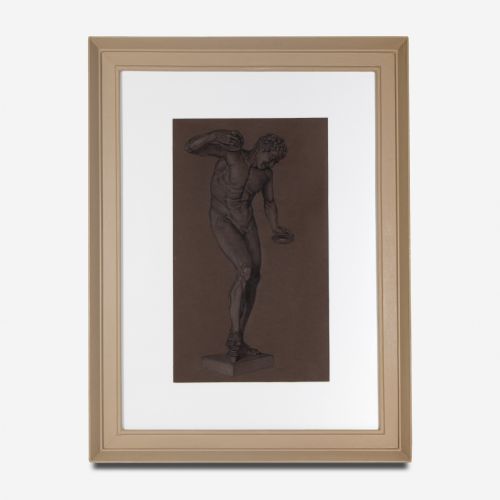
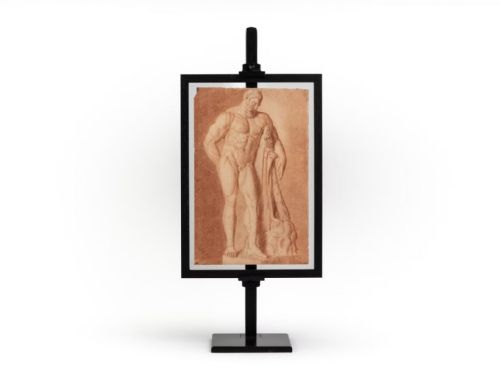
An academic art sketch captures the rigorous training of the studio, offering a direct view into historical draftsmanship and figure study.
Academic Art Sketch
When you search for an academic art sketch, you are looking at preparatory drawings and finished studies created within formal instructional traditions. These works document the training methods of past centuries, focusing heavily on human anatomy, classical sculpture, and portraiture.
The pieces you are most likely to encounter on this page date predominantly from the eighteenth and nineteenth centuries through to the mid-twentieth century. They range from rapid compositional notes on paper to highly detailed figure studies executed in institutional settings.
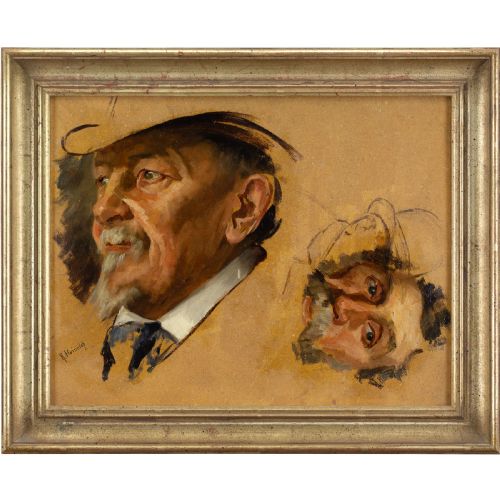
Objects include framed drawings, unframed sheets, and occasional oil studies on paper or canvas. Origins span various European traditions, with notable representations from French and English schools following classical or academic realism styles.
Materials and Techniques
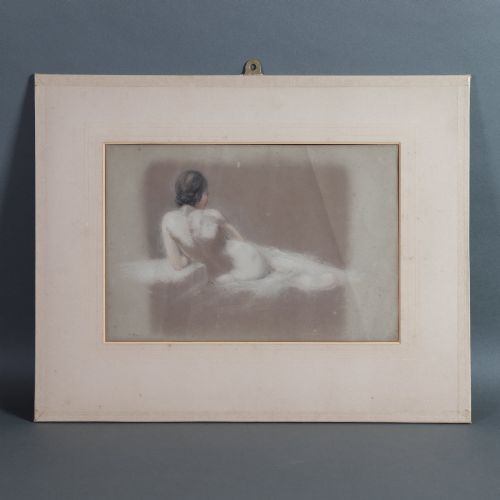
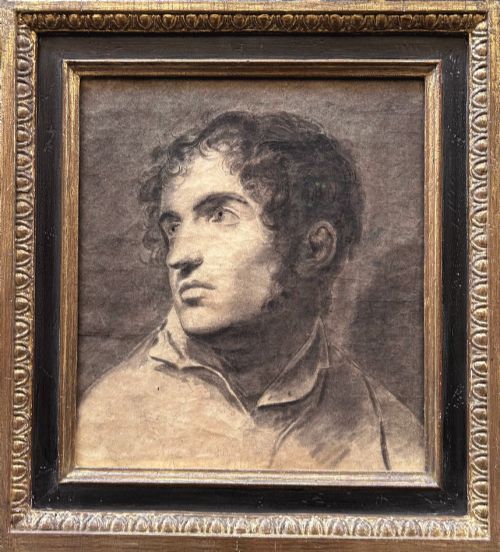
Draftsmen relied primarily on dry media such as graphite, charcoal, chalk, and sanguine applied directly to paper or toned paper. These materials allowed artists to build volume and shadow rapidly during live sittings or casts from antique sculpture.
Many works incorporate pen, ink, wash, and gouache to add depth and tonal contrast to the underlying pencil structure. Oil paints on paper also appear, bridging the gap between preparatory sketching and finished painting technique.
Support materials consist chiefly of various grades of paper, sometimes mounted or framed in antique wood and gilt surrounds. The combination of fugitive dry media and delicate paper grounds requires careful preservation to maintain legibility.
Several sheets reveal double lives, bearing careful anatomical sketches on the front and hurried compositional notes on the back.
Assessing Quality and Execution
Quality in these works rests upon the surety of the line and the accurate rendering of human anatomy and proportion. A superior study demonstrates a confident understanding of skeletal structure and musculature, rather than hesitant or overly corrected marks.
The expressive power of the shading, whether through delicate cross-hatching in graphite or bold charcoal smumging, separates masterworks from routine exercises. Strong contrast and tonal control give the subject three-dimensional weight on a flat sheet.
The context of the piece also influences its standing, such as whether it relates to a documented larger painting or bears the hand of a recognised master or academy professor. The survival of recto and verso drawings on a single sheet offers additional insight into the working process.
William Etty·Augustus John·Henry Arthur Roberts·William Edward Frost·Theobald Chartran·Ernest Borough Johnson·George Richmond
The Academic Art Sketch Glossary
- Academic Realism
- A style of painting and drawing produced under the influence of European academies of art. It emphasises traditional values, precise anatomy, and classical themes.
- Sanguine
- A type of red chalk used for drawing, prized for its warm earthy tone. It was widely utilised by old masters for flesh tones and portrait studies.
- Grisaille
- A painting executed entirely in shades of grey or neutral monochromatic tones, often used to emulate sculpture or as an underpainting. It demonstrates tonal values without reliance on colour.
- Recto and Verso
- Terms designating the front and back of a single sheet of paper. Finding sketches on both sides indicates the paper was used thriftily during studio practice.
- Toned Paper
- Paper that possesses a light colour such as grey, tan, or blue rather than stark white. Artists use it to build up highlights with white chalk alongside dark media.
Academic Art Sketch: Frequently Asked Questions
What is an academic art sketch?
An academic art sketch is a preparatory drawing or study produced during an artist's formal training or professional practice. These works focus on mastering human anatomy, proportion, and classical forms.
They serve as records of studio instruction, showing how artists developed compositions for larger paintings or sculptures.
How were these drawings used historically?
Artists used these sketches to practice drawing from live models, anatomical casts, and antique sculptures. They formed the core curriculum of European art academies.
Mastering these studies allowed students to understand light, shadow, and three-dimensional form before advancing to oil painting.
How should I frame and display paper sketches?
Paper sketches require conservation-grade framing with UV-protective glass to prevent fading from light exposure. Acid-free mounts ensure the paper does not discolour over time.
Display them away from direct sunlight and high humidity to protect the fragile charcoal, chalk, or graphite mediums.
How can I tell the period of a drawing?
Dating relies on stylistic markers, paper types, watermarks, and inscriptions or signatures left by the artist. Eighteenth-century works often feature distinct laid paper and classical subjects.
Nineteenth and twentieth-century pieces frequently show the looser brushwork or heavier graphite shading characteristic of later academic institutions.