




Charcoal Male Study
A charcoal male study captures the human form with immediate draughtsmanship, offering an intimate window into academic training and portraiture.
Charcoal Male Study
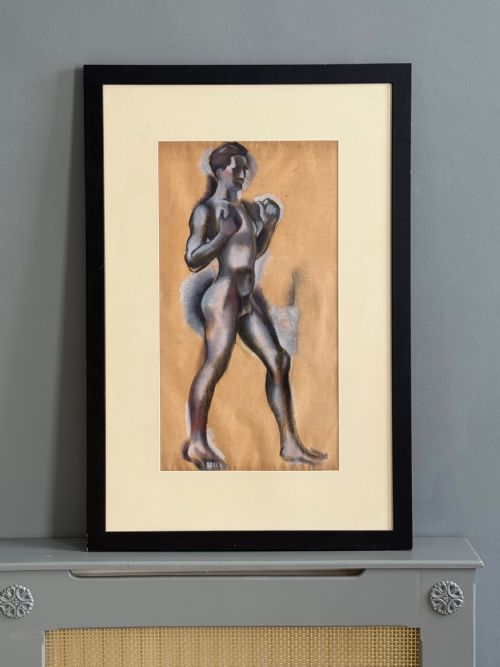
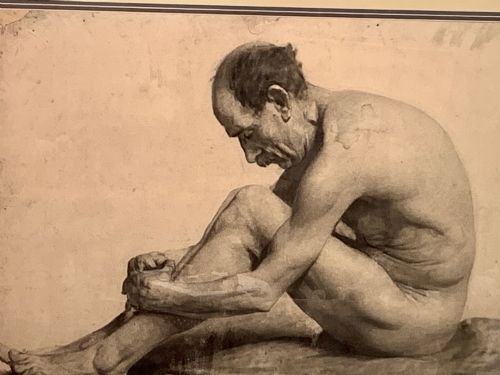
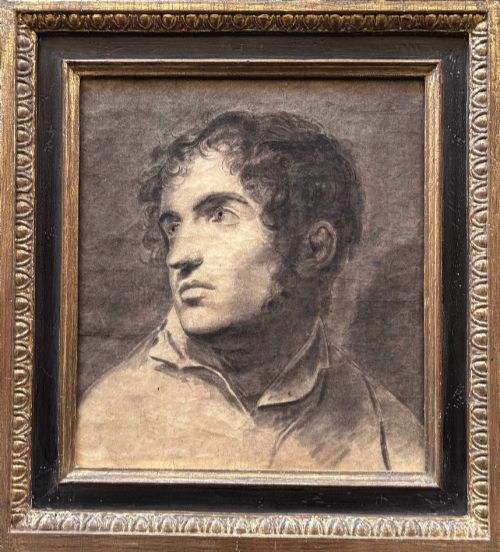
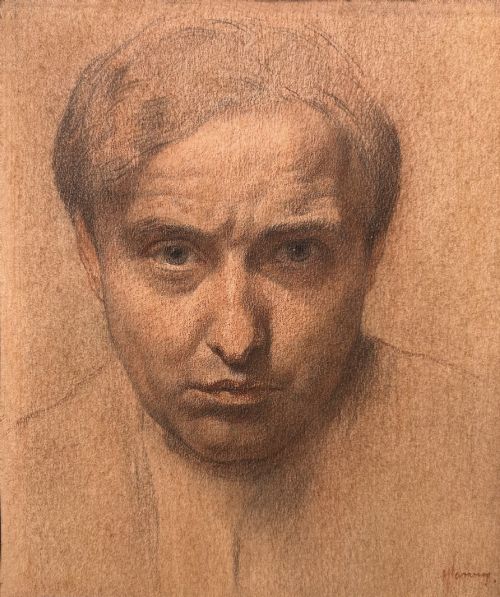
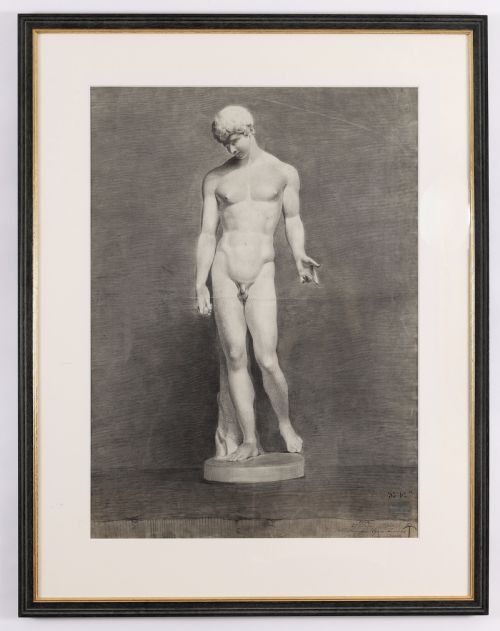
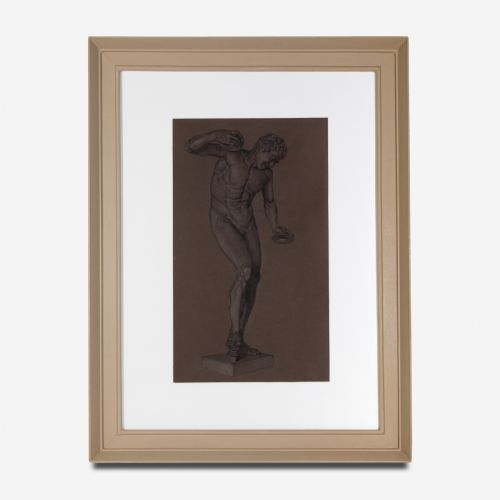
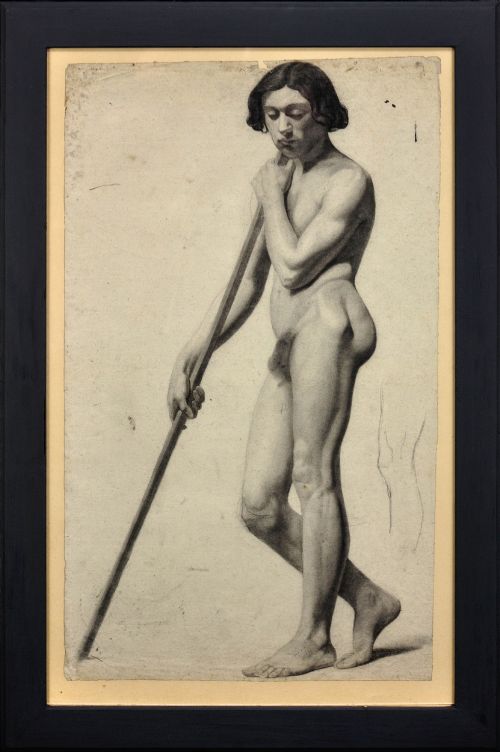
A charcoal male study encompasses original framed drawings and academic life studies originating from the nineteenth and early twentieth centuries. These works frequently showcase rigorous training methods, capturing figures such as standing male nudes, portraits of young men, and classical subjects like the Capitoline Antinous.
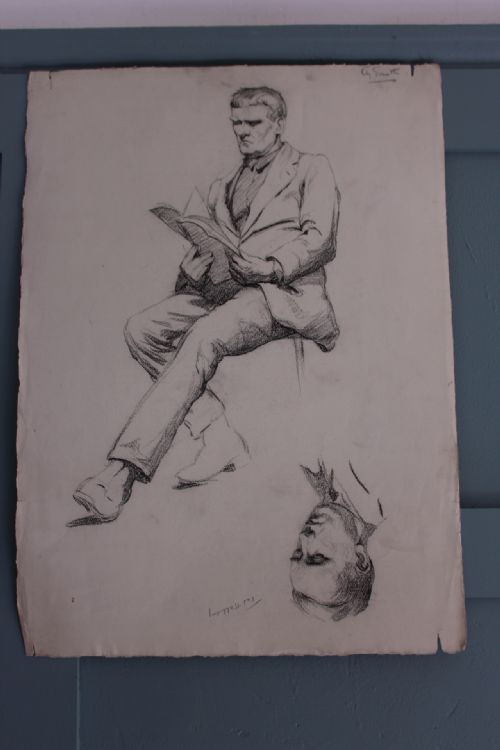
The selection ranges from French School life studies and early twentieth century portraits to depictions of historical figures and studio drawings. Buyers encounter works executed across various periods including the eighteen-hundreds, nineteen-hundreds, and nineteen-twenties, often presented within wood or giltwood frames.
These pieces function primarily as wall art and fine art works, reflecting styles such as academic realism, neoclassical, and Edwardian realism. Each drawing documents the physical execution of form, line, and shadow as practised in traditional studios and academies.
Materials and execution
Artists executed these works primarily upon paper substrates, employing charcoal, graphite, chalk, and wash to build tonal depth and anatomical precision. The combination of charcoal and chalk permitted subtle gradations of light and dark, essential for rendering musculature and facial contours.
Framing materials commonly include wood and giltwood, which served to protect the delicate works under glass. These traditional framing choices reflect the period mounting standards associated with nineteenth and early twentieth-century studio practises.
Charcoal Male Study Retail Price Guide 2026
Typical asking prices for charcoal male study among the pieces listed under this phrase on Sellingantiques today, from the lower quarter to the upper quarter. They describe what is for sale here now, not the wider market.
Listings feature works spanning the nineteenth century through to the nineteen-fifties, employing paper, charcoal, graphite, chalk, and wash.
Distinctions in execution
The strength of a charcoal male study rests upon the sureness of the draughtsmanship and the precision of anatomical rendering. Works that successfully articulate bone structure, musculature and psychological presence through economical strokes distinguish themselves from more mechanical exercises.
Condition and preservation of the paper under glass heavily influence the character of the piece. Intact surface integrity without excessive fading or paper degradation maintains the visual impact intended by the artist during the academic session.
Herbert Johnson Harvey·Samuel Rabin·Henry Arthur Roberts·John Seymour Lucas·Ernest Borough Johnson·Francis Dodd
The Charcoal Male Study Glossary
- Academic realism
- A style of painting and drawing produced under the influence of European academies of art. It emphasises conventional forms, precise anatomical accuracy, and classical subjects.
- Charcoal
- A dry drawing medium made from finely ground organic materials held together by a gum or wax binder, or simply burnt wood. It yields deep blacks and delicate smudgeable greys.
- Graphite
- A crystalline form of carbon used as a drawing medium in pencils or blocks. It produces crisp, metallic grey lines distinct from the velvety texture of charcoal.
- Giltwood
- Wood that has been treated with a thin layer of gold leaf or gilt powder. It is frequently found on the frames housing nineteenth-century drawings.
- Wash
- A technique where ink or watercolour is diluted with water to create semi-transparent layers of tone. It is often applied alongside charcoal or chalk to establish shadows.
Charcoal Male Study: Frequently Asked Questions
What is a charcoal male study?
A charcoal male study is an original drawing focussing on the male figure, often created as an academic exercise or portrait in a studio setting.
These works utilise charcoal alongside media like chalk or graphite on paper to explore anatomy, light, and shadow.
How were these drawings used?
Artists produced these studies primarily for training within academies or as preparatory works for larger paintings.
Over time, such drawings transitioned into finished works of art collected for their expressive draughtsmanship and historical insight.
How should I display a charcoal drawing?
Charcoal drawings require protection behind glass to prevent smudging and environmental damage to the delicate carbon particles on paper.
Positioning pieces away from direct sunlight preserves the paper and framing materials, whether wood or giltwood, over the long term.
How do I identify a nineteenth-century study?
Nineteenth-century academic studies often exhibit specific paper types, framing methods, and stylistic markers associated with French and English schools.
Inscriptions, dates, and subject matter such as classical casts or life models further help contextualise the period of creation.