


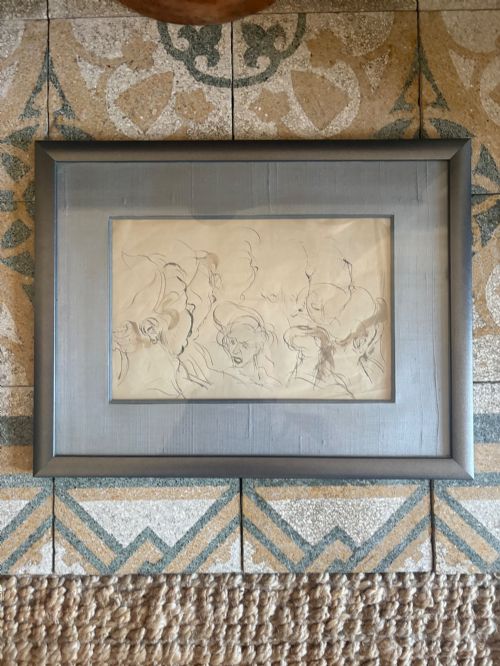


Sepia Paper Drawing
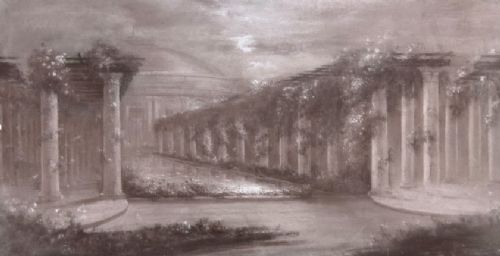
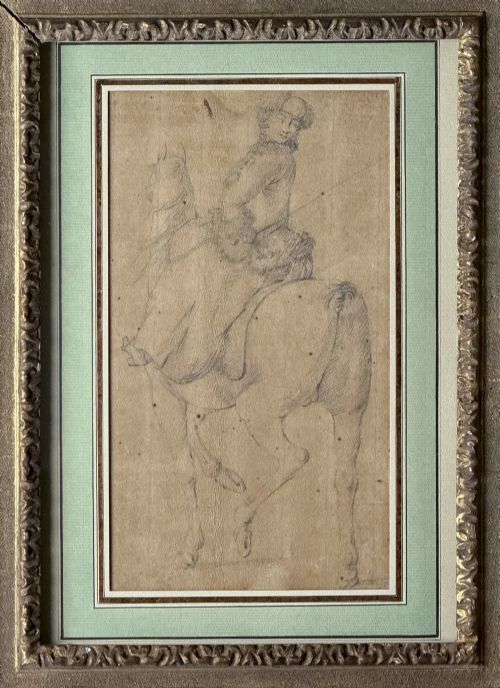
A sepia paper drawing captures a tonal depth and linear clarity that brings historic portraiture and architectural studies directly to life in any room.
Sepia Paper Drawing
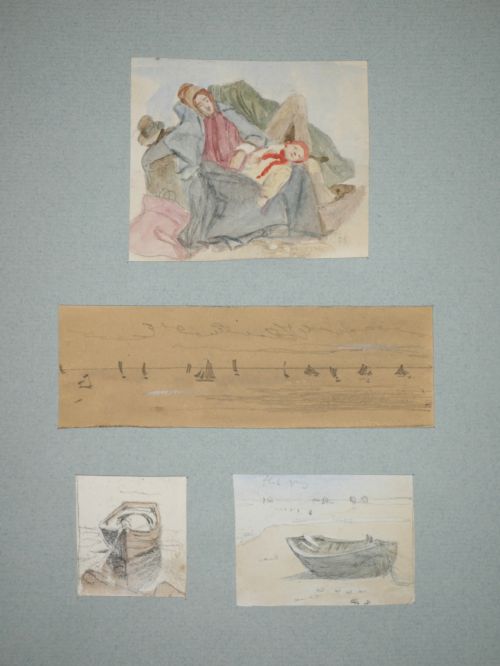
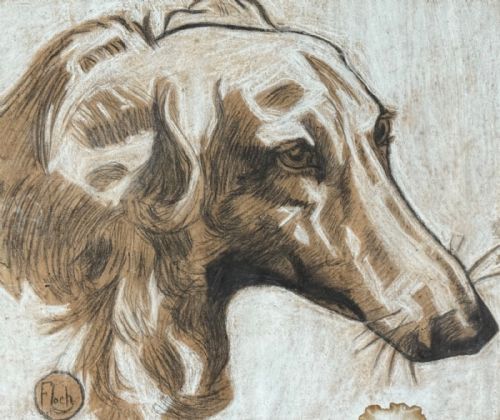
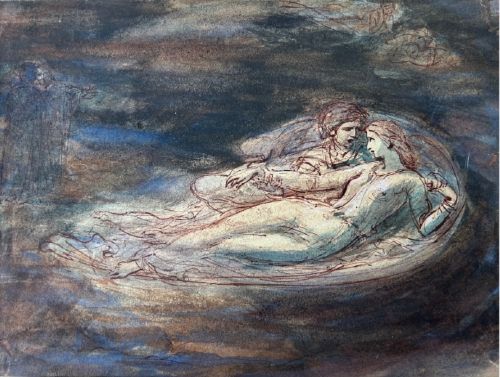
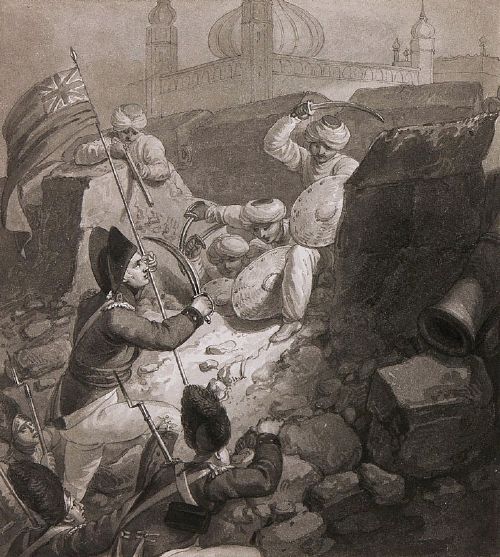
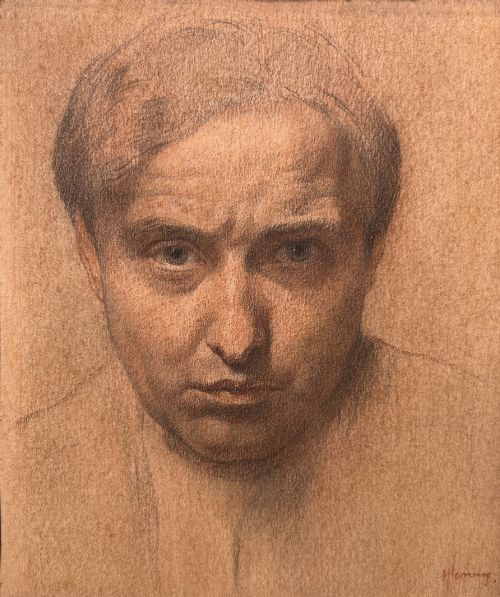
A sepia paper drawing represents a distinct category of works on paper executed in brownish monochrome tones, spanning from the eighteenth century through to the mid-twentieth century. These pieces range from preparatory sketches and academic life studies to finished architectural renderings and animal portraits.
The selections available here reflect various regional schools and stylistic periods, including Georgian, Victorian, Baroque, and Modern British movements. Buyers will encounter both intimate personal portraits and larger compositional studies created by named artists and anonymous European schools alike.
Many of these works on paper incorporate mixed media techniques alongside the primary brown ink or wash, blending pencil, charcoal, and gouache on aged paper supports. Each piece offers a direct connection to the working methods and academic training of past centuries.
Materials and execution
The primary vehicle for these works is paper, often buff, tinted, or toned sheets that interact with the monochrome pigment to create depth and warmth. Artists utilised iron gall or sepia inks applied with fine quills or brushes, frequently supported by preliminary graphite or charcoal underdrawing.
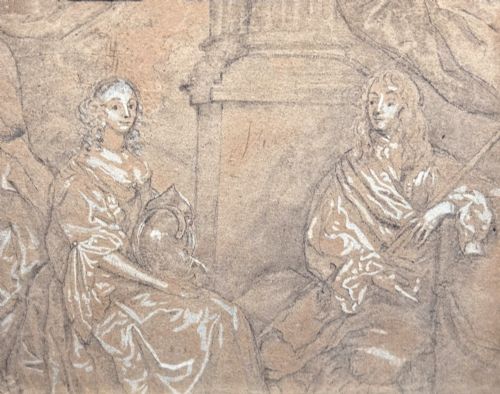
Wash techniques were combined with fine line work to build shadow and volume, while gouache or chalk highlights were occasionally added to create contrast. These materials required precise hand control, as ink on paper permits no erasure once applied.
The listings span from the eighteenth century to the mid-twentieth century, featuring materials such as charcoal, ink, graphite, and gouache on paper.
Evaluating quality and execution
The distinction between ordinary exercises and superior works lies in the confidence of the line and the subtlety of the tonal gradation. Master draftsmen achieved expressive weight and anatomical precision with minimal strokes, whereas lesser drawings rely on laboured shading to define form.
The preservation of the paper support and the stability of the ink significantly influence the character of each piece. Superior examples retain the original richness of the brown pigment without excessive fading or harmful acidic discoloration from early framing methods.
William Marshall Craig·James Smetham·William Frederick Settle·Alfred Dehodencq·Charles James Lauder·Michael Lyne·Thomas Rowlandson·Lawrence Stephen Lowry·Sir Francis Leggatt Chantrey·Theobald Chartran·Henri Josephe Hesse
The Sepia Paper Drawing Glossary
- Wash
- A thin layer of diluted ink or watercolour applied with a brush to create tonal depth and shadow behind linear work. It provides background atmosphere and volumetric form in monochrome drawings.
- Preparatory study
- A preliminary sketch or drawing executed by an artist to plan a larger finished painting, mural, or sculpture. These works reveal the initial compositional thought process.
- Academic life study
- A detailed drawing of a human model, usually nude, produced within an art academy or school to teach anatomy and proportion. They demonstrate rigorous technical discipline.
- Gouache
- An opaque water-based paint composed of pigment, water, and a binding agent such as gum arabic, often containing white filler. It is used to add opaque highlights to ink and watercolour drawings.
- Buff paper
- A warm yellowish-beige or pale tan paper commonly utilised in the nineteenth century for sketches. Its neutral mid-tone allows artists to work upwards with dark inks and downwards with white highlights.
Sepia Paper Drawing: Frequently Asked Questions
What is a sepia drawing?
A sepia drawing is a work executed primarily in brownish monochrome ink derived from cuttlefish sepia or similar warm earth pigments. These pieces rely on tonal variation rather than full colour to build form and atmosphere.
They encompass everything from rapid architectural studies to finished portraiture on aged paper, dating predominantly from the eighteenth to the twentieth centuries.
How should I frame works on paper?
Works on paper require conservation-grade framing to protect fragile organic materials from environmental degradation. Acid-free mounts and backing boards prevent chemical discoloration of the paper over time.
Glazing with UV-filtering glass or acrylic is essential to shield sensitive ink pigments and tinted papers from the fading effects of direct sunlight.
How do I date an antique drawing?
Dating relies on examining the characteristics of the paper support, watermark evidence, framing style, and the handwriting of signatures or inscriptions. Stylistic indicators such as clothing fashions, hairstyles, and artistic movements also provide a reliable chronological window.
Comparative study with dated works by the same school or artist helps narrow the production period further.
Where were these drawings displayed?
Historically, many of these sheets began life inside an artist's portfolio, sketchbook, or within academic training institutions as instructional exercises. Finished portrait and landscape drawings were subsequently framed and displayed in domestic interiors or exhibition salons.
Today, they are typically hung in protected interior spaces away from direct heat sources and strong light.