




Academic Pencil Study
An academic pencil study captures precise anatomical observation, sculptural form and classical discipline on paper.
Academic Pencil Study
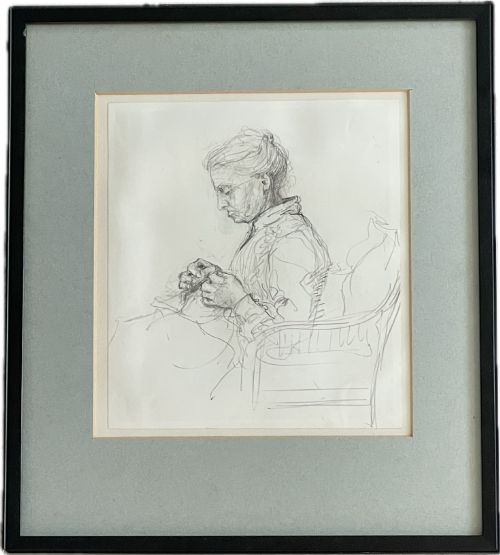
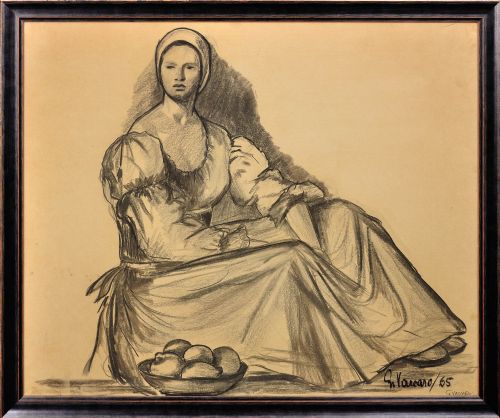
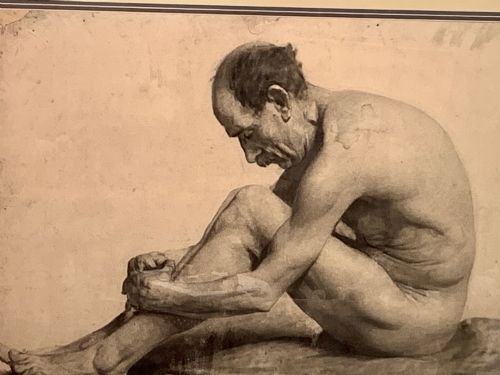
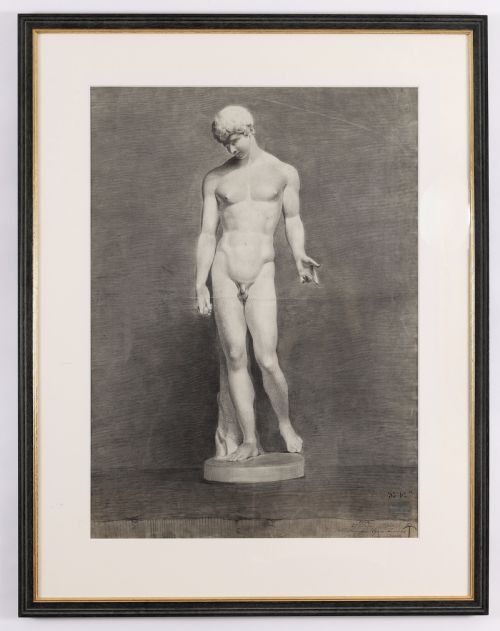
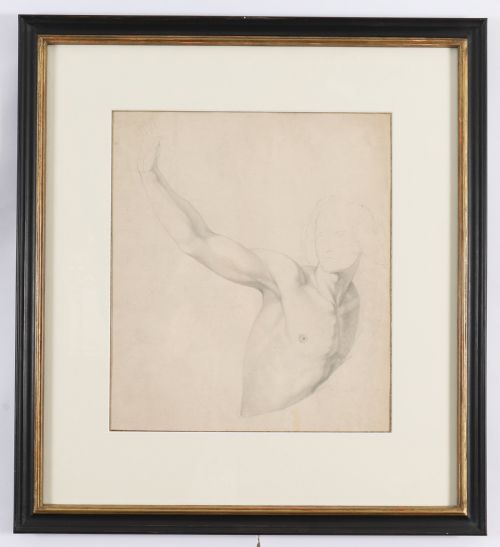
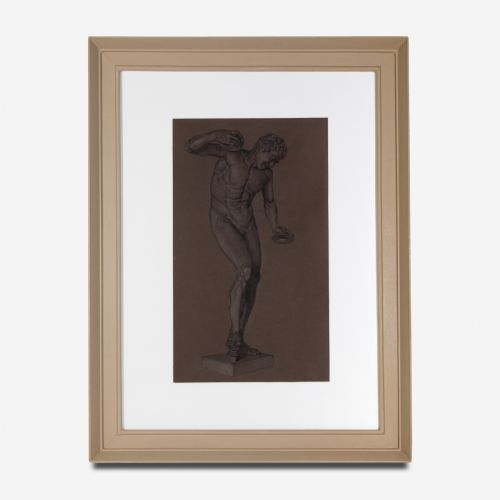
An academic pencil study represents a rigorous exercise in drawing human figures, classical sculpture or portraiture, usually originating from formal studio practice. When searching for an academic pencil study, you encounter works spanning from the Georgian period through the nineteenth century and into the early twentieth century.
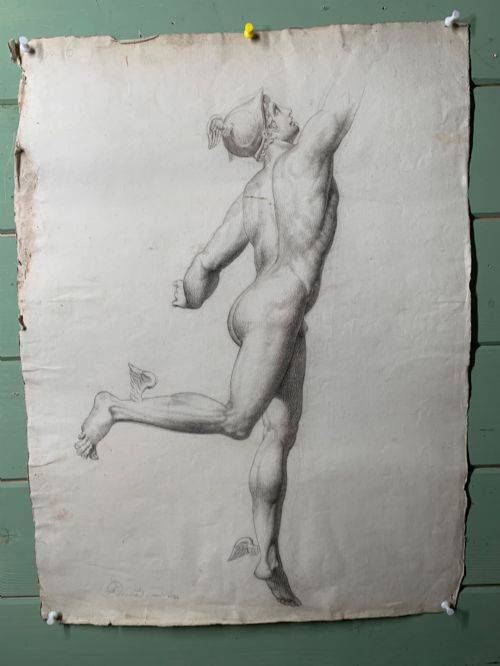
The subjects on this page typically encompass life drawings of male and female nudes, copies after ancient statues like the Capitoline Antinous or works executed in French and English academic traditions. Framed artwork forms the primary medium, presented on paper using graphite, charcoal and occasionally supplementary chalk or watercolour.
Many pieces reflect formal instruction where artists honed their skills by rendering mythological deities, historical scenes or detailed portraits of sitters. These drawings range from small exploratory sketches to large, highly finished compositions housed in period frames.
How they were made
Artists executed these works primarily on paper using graphite, pencil or charcoal to build tone, shadow and contour through meticulous layering. Many pieces incorporate supplementary media such as chalk for highlights or watercolour washes, while some compositions utilise gold leaf within their framing.
The physical presentation often involves historical framing, with antique wood and gilt frames enclosing the paper works to protect the delicate graphite and charcoal surfaces. Support materials consist of period paper stocks, which frequently show natural ageing, toning and handling marks consistent with studio use.
Academic Pencil Study Retail Price Guide 2026
Typical asking prices for academic pencil study among the pieces listed under this phrase on Sellingantiques today, from the lower quarter to the upper quarter. They describe what is for sale here now, not the wider market.
One portrait captures a self-described bio-pirate who smuggled rubber plants out of the Amazon.
What varies in quality
The distinction between ordinary exercises and superior works lies in the sureness of the line, the mastery of anatomical proportion and the depth of tonal gradation. A stronger piece demonstrates profound understanding of light and shadow, rendering muscle, drapery and expression with palpable volume rather than flat outlines.
Context and provenance also elevate certain works, particularly those tied to identifiable schools, dated studio sessions or documented artists working within academic traditions. The preservation of the paper surface and the integrity of the original frame contribute further to the standing of an individual piece.
Augustus John·Reginald G. Eves·Theobald Chartran·Ernest Borough Johnson
The Academic Pencil Study Glossary
- Academic Realism
- A style of painting and drawing produced under the influence of European academies of art, prioritising strict adherence to classical forms and precise anatomical accuracy. This approach forms the foundation of most life drawings from the period.
- Grisaille
- A method of painting or drawing executed entirely in shades of grey or neutral grey-monochrome, often used to emulate sculpture or create a preparatory underpainting. It emphasises tonal values over colour.
- Graphite
- A crystalline form of carbon used as a writing and drawing material, contained within pencils or applied in stick form. It produces varying depths of grey and silver tones depending on hardness and pressure.
- Life drawing
- The act of drawing a live human model, serving as a cornerstone of traditional academic training. These sessions developed an artist's ability to render the human form accurately.
- Neoclassical
- A Western cultural movement drawing inspiration from the art and culture of classical antiquity, prevalent in the eighteenth and nineteenth centuries. Works in this style frequently depict mythological subjects and antique sculpture.
Academic Pencil Study: Frequently Asked Questions
What is an academic pencil study?
An academic pencil study is a detailed drawing created as part of formal artistic training, focusing on anatomy, proportion, and classical sculpture.
These works range from quick compositional sketches to highly finished life drawings and portraits executed on paper.
How were these drawings used?
Artists produced these studies in studios and academies to master the human form, drapery, and lighting before attempting large oil paintings.
They also served as finished preparatory works or independent exercises in tonal accuracy and classical draughtsmanship.
How should I frame and display paper drawings?
Drawings on paper require careful framing behind protective glazing to shield the graphite and charcoal from moisture and physical handling.
Display them away from direct sunlight to prevent the paper stock from fading or yellowing over time.
How can I tell the period of a drawing?
Dating relies on the paper type, framing materials, stylistic conventions, and any accompanying inscriptions, signatures, or dates left by the artist.
Nineteenth-century works often reflect strict academic realism, while later pieces shift toward early twentieth-century British and continental idioms.