




20th Century Nude Art
20th century nude art captures the human form through the evolving lenses of modernism, academic realism and art deco.
20th Century Nude Art
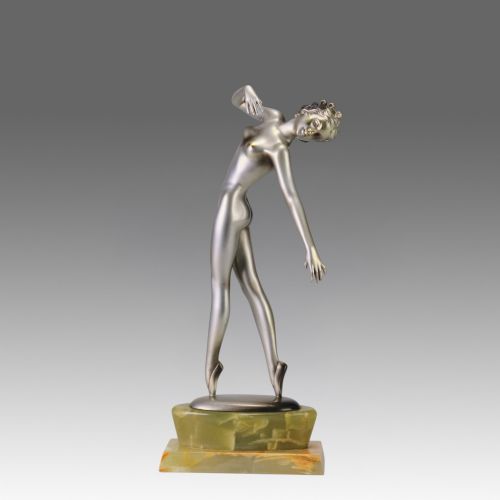
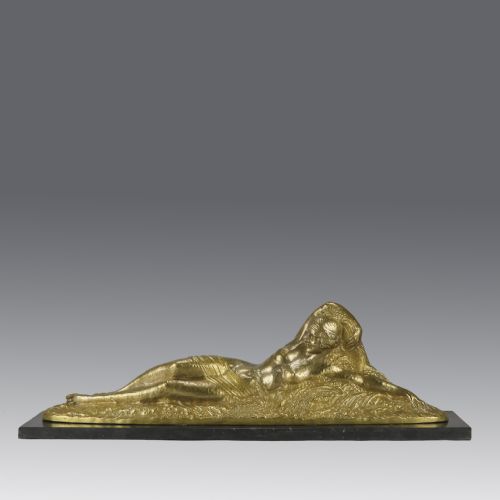
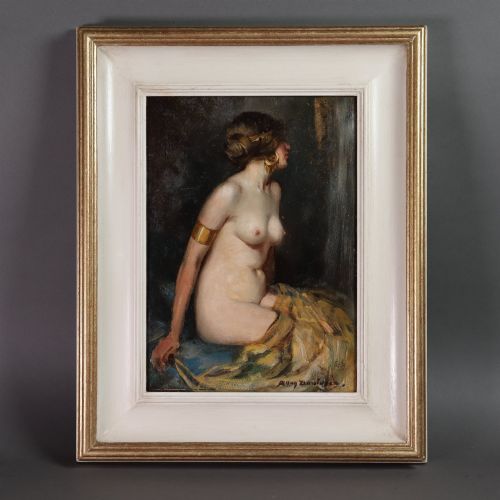
When searching for 20th century nude art, collectors encounter a diverse range of paintings, drawings and sculptures created across decades of artistic transformation. The pieces span from academic life studies and Impressionist compositions to avant-garde cubist experiments and sleek Art Deco statuary.
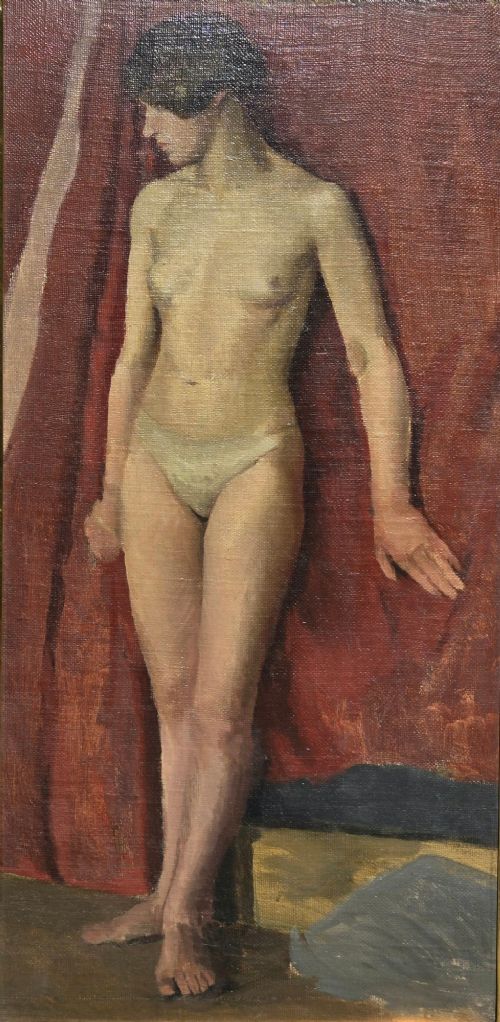
The most common examples on this page reflect British and continental European movements from the nineteen-tens through to the nineteen-sixties. Works vary from intimate charcoal life studies on paper to ambitious oil paintings on canvas and cold-painted bronze figures.
Subjects range from traditional reclining figures and mythological scenes to modernist interpretations of the human torso. These artworks document how generations of artists reinterpreted the classical nude through changing aesthetic priorities.
Materials and methods
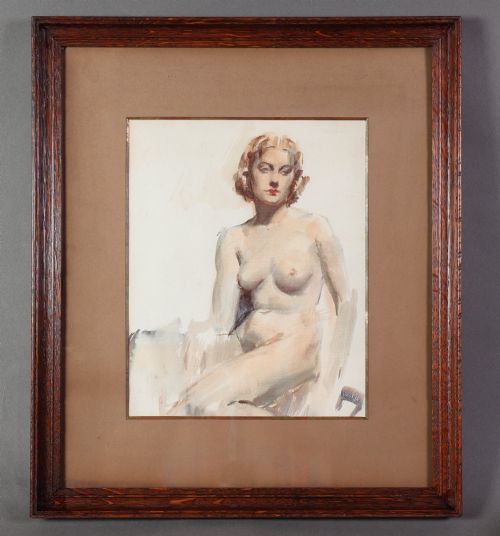
Makers utilised traditional painterly supports including canvas, board and paper, applying oil paint, watercolour, charcoal and chalk pastel to capture tone and form. Drawings and prints rely on precise line work and shading to delineate the contours of the body.
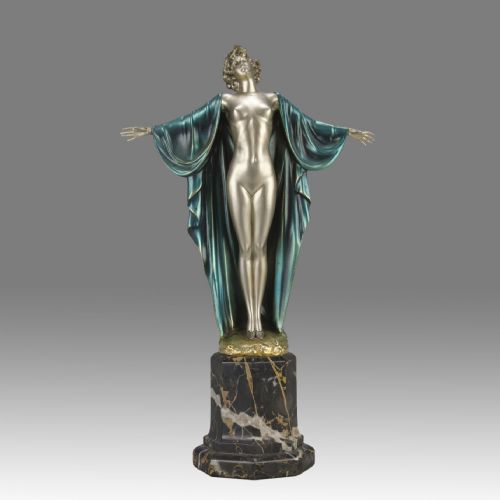
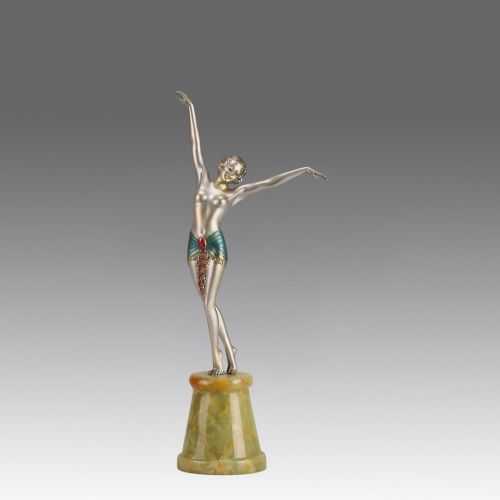
Sculptural works demonstrate mastery of casting and carving, utilising bronze with cold-painted polychrome surfaces, gilt finishes, carved limewood and glass. Metal figures often involve lost-wax casting followed by meticulous hand-finishing, while wood and stone carvings reveal the direct intervention of the sculptor's chisel.
The archive records multiple mediums including oil paintings, charcoal drawings, pastels, watercolours and limewood carvings.
Distinctions in quality
Quality rests in the sureness of the draftsmanship and the artist's command of anatomical proportion and volume. Superior works display a confident line and purposeful brushwork that convey weight and presence, whereas lesser examples can lapse into static or formulaic rendering.
In sculptural pieces, the crispness of the casting details, the subtlety of the patina and the fluidity of the pose differentiate masterworks from standard commercial production. Provenance and attribution to documented artists further elevate the standing of a piece within the field.
Ferdinand Preiss·Josef Lorenzl·Demetre Chiparus·Frank Dobson·Aristide Maillol
The 20th Century Nude Art Glossary
- Cold-painted bronze
- A metal sculpture technique where bronze is painted with cold enamel colours rather than fired in a kiln. This finish requires careful preservation to prevent chipping over time.
- Collotype print
- A planographic printing process using gelatin that produces continuous-tone reproductions with photographic detail. It was widely utilised for high-quality art prints during the early decades of the century.
- Deux crayon
- A drawing technique employing two coloured chalks or pencils, typically red and black on tinted paper, to build up highlights and shadows. Artists used this method to achieve tonal depth quickly.
- En grisaille
- A painting executed entirely in shades of grey, neutral grey or monochromatic hues. This technique often mimics the appearance of a sculptural relief.
- Post-Impressionism
- An artistic movement extending impressionist principles while rejecting its limitations, favouring bolder colours and distinct geometric forms. Practitioners emphasised symbolic content and structural design.
20th Century Nude Art: Frequently Asked Questions
How do I identify the period of a nude artwork?
Examine the stylistic markers, materials and framing techniques, comparing them against established modernist or academic movements of the era. Twentieth-century works often transition from traditional academic realism towards abstraction and cubism as the decades progress.
Signatures, dates inscribed on the reverse and artist biographies provide definitive chronological anchors. Archivists also look at the type of paper or canvas support, which frequently reflects period manufacturing standards.
What is the difference between a life study and a finished painting?
A life study is typically created directly from a live model in a studio or art school setting, focusing on capturing anatomical accuracy and transient posture. These works often display visible grid lines, rapid charcoal strokes or experimental washes.
Finished paintings and exhibited sculptures are composed for public presentation with greater compositional polish and thematic narrative. They reflect resolved artistic intent rather than exploratory practice.
How should I care for works on paper?
Works on paper require protection from direct sunlight and high humidity to prevent fading of charcoal, pastel and watercolour pigments. Archival framing with acid-free mounts ensures the paper does not discolour or degrade over time.
Display pieces in climate-controlled environments away from direct heat sources. Glazing with UV-filtered glass provides an essential barrier against environmental damage.
Where were bronze figures typically produced?
Many figurative bronzes originated in specialised foundries across Vienna, Paris and Berlin during the art deco and interwar periods. These workshops employed skilled artisans who specialised in lost-wax casting and intricate cold-painting.
Foundry marks and artist ciphers stamped into the metal base often reveal the specific workshop of origin. European ateliers set high technical standards for patination and metal finishing.