




19th Century Pencil Study
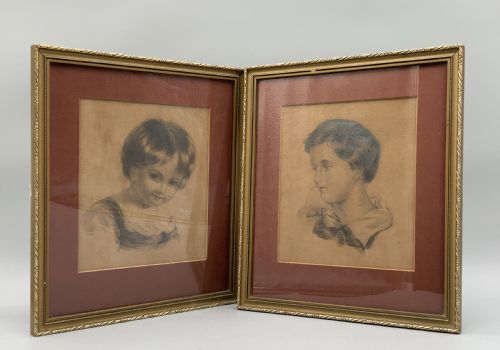
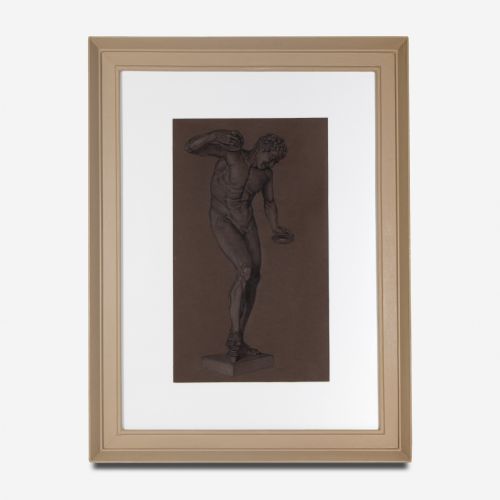
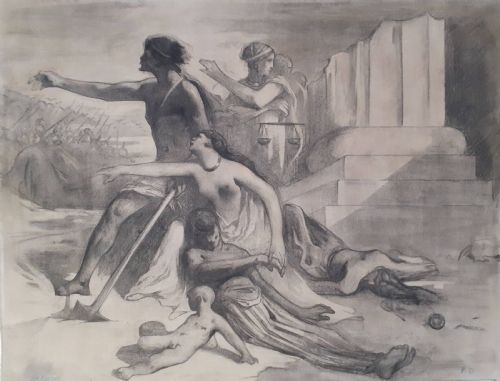
A 19th century pencil study captures the direct hand of an artist recording form, light and tone without the distraction of colour.
19th Century Pencil Study
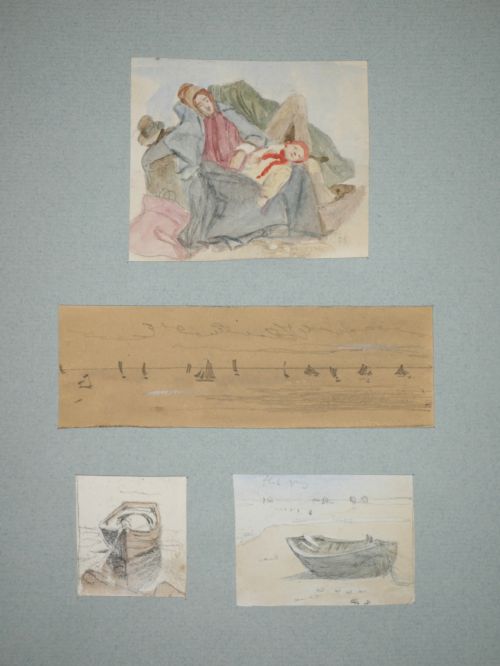
A 19th century pencil study is an original work on paper produced by artists recording portraits, landscapes, architecture or figures during the Victorian and Georgian periods. These works range from rapid observational sketches to highly finished academic drawings intended for exhibition or as preparation for larger paintings.
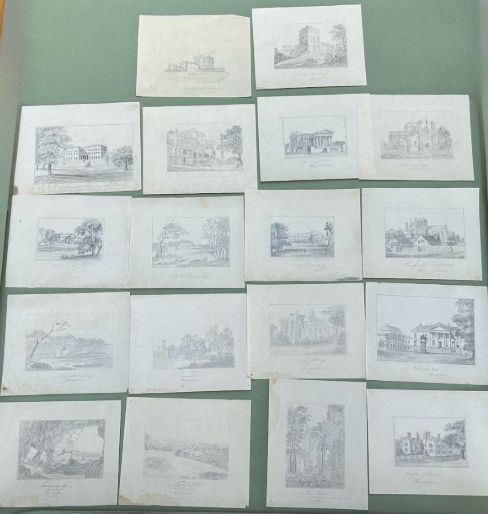
The buyer encounters various formats on this page, including framed wall art, bound drawings and works on paper executed in graphite, charcoal and mixed media. Many examples originate from English regional artists, academic workshops and continental travel sketchbooks dating across the 1800s.
Subjects vary from detailed botanical studies and topographical views to figural compositions and portraits executed in the manner of established painters. These pieces offer insight into the working methods and academic training of nineteenth-century artists.
Materials and technique
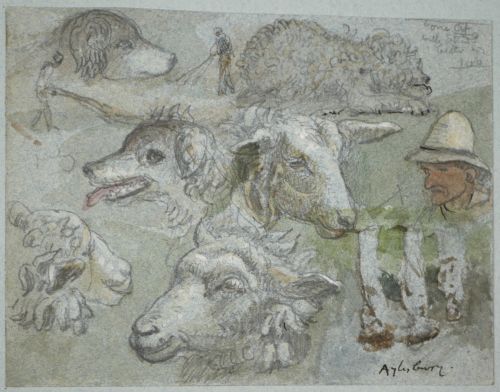
Artists relied primarily on graphite pencil and charcoal applied to various grades of paper, occasionally heightening details with white chalk or watercolour washes. Some works incorporate ink or gouache to build contrast and depth within architectural or botanical compositions.
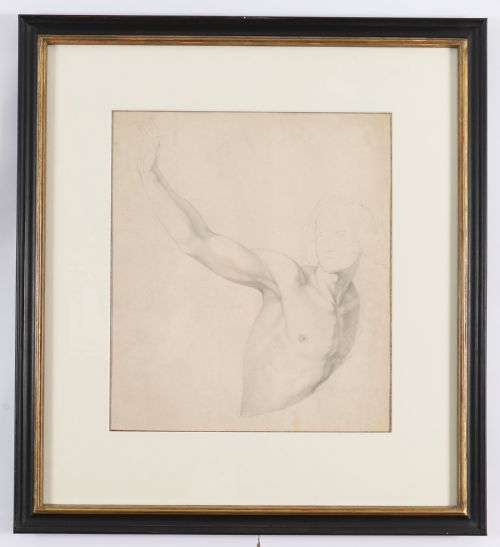
Support materials include standard drawing paper, embossed paper and older sheets mounted within glazed wooden or gilded wood frames. The handling of line and tone reveals academic techniques such as cross-hatching, smudging and tonal layering used to define form.
The inventory records architectural studies, botanical plates, and portrait sketches executed on paper, embossed card, and canvas boards.
What separates the range
Quality in a 19th century pencil study rests on the confidence of the draughtsmanship, the precision of line and the structural understanding of the subject. A superior drawing displays deliberate economy of stroke and convincing anatomical or spatial perspective, whereas lesser examples show hesitation or stiff proportion.
The preservation of the paper surface, the subtlety of tonal gradations and the clarity of signature or archival documentation further distinguish the best examples. Works retaining contemporary framing or studio provenance offer a more complete historical record.
James Smetham·Sir Francis Leggatt Chantrey·Theobald Chartran·David Roberts·Henry William Burgess·William Moore
The 19th Century Pencil Study Glossary
- Graphite
- A form of carbon used as the primary marking medium in pencils, producing grey or metallic tones. It replaced lead for artistic drawing during the modern period.
- Academic Realism
- A style of painting and drawing produced under the influence of European academies of art. It emphasises precise anatomy, classical proportion and careful observation.
- Grisaille
- A painting or drawing executed entirely in shades of grey or neutral monochrome. This technique often served as a preparatory stage for oil paintings or as a finished study.
- Gouache
- An opaque water-based paint composed of pigment, water and a binding agent such as gum. Artists used it alongside pencil to add highlights and solid colour to works on paper.
- Provenance
- The documented history and ownership lineage of an artwork. It establishes authenticity and connects the piece to specific artists, collections or exhibitions.
19th Century Pencil Study: Frequently Asked Questions
How do I care for antique pencil drawings?
Keep works on paper away from direct sunlight and high humidity to prevent the paper from yellowing and the graphite from fading. Display them behind UV-protective glass with acid-free mounts.
Ensure frames are securely sealed to keep out dust and insects. Handle the unframed paper only by the edges while wearing clean cotton gloves.
Were these drawings meant to be finished artworks?
Many nineteenth-century works served as preparatory studies for larger oil paintings, murals or published prints. Artists produced them to work out composition, lighting and anatomical details before committing to a major canvas.
Other examples were intended as finished pieces for exhibition, sketchbook records from foreign travels, or exercises created within academic drawing classes.
How can I tell the difference between periods?
Early nineteenth-century and Regency pieces often feature neoclassical subjects, softer graphite work, and handmade papers with visible watermarks. Victorian examples frequently show tighter academic realism, architectural precision, or tighter hatching techniques.
Late-century drawings sometimes incorporate bolder framing, stamps from studio sales, or inscriptions naming specific academic institutions and sitters.
What is the difference between graphite and charcoal?
Graphite produces a fine, silvery-grey line that can achieve sharp detail and subtle tonal variation. Charcoal creates a darker, velvety black mark that blends easily for deep shadows and dramatic contrast.
Artists often combined both materials on paper to balance fine linear precision with rich tonal depth in portrait and landscape studies.