


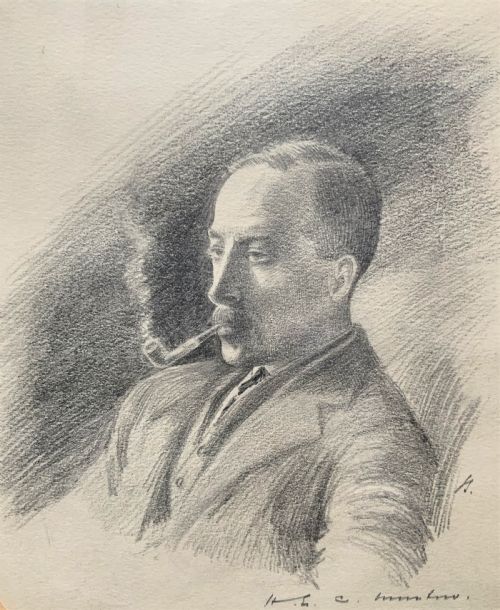


Original Victorian Pencil Drawing
An original victorian pencil drawing brings domestic life, portraiture and genre studies from the nineteenth century directly to the wall.
Original Victorian Pencil Drawing
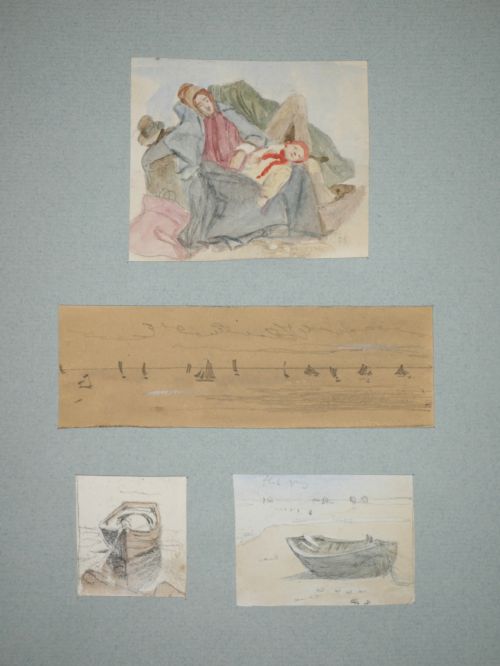
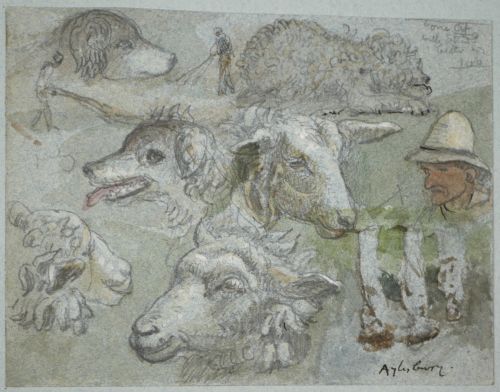
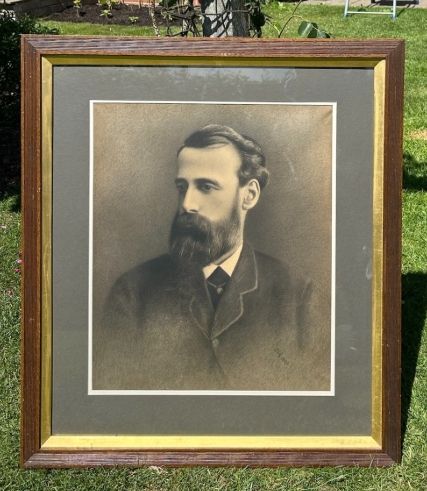
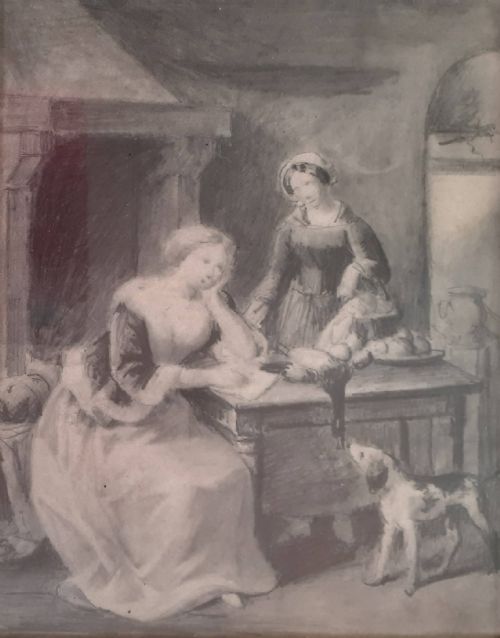
When you search for an original victorian pencil drawing, you encounter works on paper executed in graphite, charcoal and grisaille, frequently paired with watercolour or ink. These pieces capture portrait studies of ladies and gentlemen, domestic animals, maritime scenes and genre subjects dating across the nineteenth century.
The selections span mid nineteenth century works, including dated pieces from eighteen fifty and eighteen sixty, alongside late Victorian examples from eighteen eighty-nine and eighteen ninety. The physical forms include framed art, wall art, miniatures and works on paper mounted behind glass in wood or gilded wood frames.
Portraits of English gentlemen and ladies alongside animal studies dominate the visual record. You also encounter works attributed to specific artists and broader categories such as nineteenth century Irish genre art and Victorian academic styles.
Materials and techniques
Artists drew these subjects on paper using graphite, charcoal and ink, occasionally employing grisaille techniques for tonal depth. Watercolour washes were frequently added to pencil outlines to tint portraits and maritime sketches.
Finished drawings were housed in wood and gilded wood frames, often protected behind glass to preserve the delicate graphite and charcoal surfaces from smudging and atmospheric moisture.
The archive records mid-Victorian portrait studies alongside coastal scenes and depictions of dogs in domestic settings.
Judging quality and execution
Condition and presentation also define the piece, particularly the preservation of the paper against toning or foxing, and the integrity of the original wood or gilded wood frames housing the work.
James Smetham·Robert Richard Scanlan·Alexandre Decamps·Baden Powell·Sir William Charles Ross·Ernest Henry Griset
The Original Victorian Pencil Drawing Glossary
- Grisaille
- A painting or drawing executed entirely in shades of grey or neutral monochrome. This technique emphasises form and tonal gradation over colour.
- Graphite
- A form of carbon used as the primary marking medium in pencils. It produces soft grey or metallic silver lines on paper.
- Genre art
- Depictions of aspects of everyday life by portraying ordinary people engaged in common activities. These scenes often focus on domestic or rural settings.
- Charcoal
- A dry drawing medium made from finely ground organic materials held together by a gum or wax binder. It yields deep black, velvety marks well suited to dramatic shading.
Original Victorian Pencil Drawing: Frequently Asked Questions
How do I care for an antique pencil drawing?
Keep works on paper away from direct sunlight to prevent the graphite or charcoal from fading and the paper from yellowing. Maintaining stable indoor humidity prevents foxing and paper degradation.
Ensure the piece remains sealed behind glass in its frame to protect the delicate surface medium from physical contact and airborne dust.
Were these drawings meant to be studies or finished art?
Nineteenth century artists utilised pencil and charcoal for both preliminary studies and finished exhibition pieces. Many portrait and genre drawings were created as complete works intended for framing and domestic display.
Others served as preparatory sketches for larger oil paintings or watercolours, capturing initial compositions and lighting before main execution.
How can I tell the date of a drawing?
Many nineteenth century works feature explicit signatures, inscriptions or dates written directly on the paper by the artist. These inscriptions frequently name sitters, locations or the specific year of creation.
Stylistic cues, clothing details of the sitters, framing materials and paper characteristics also provide reliable indicators of the period.
What subjects are most common in these works?
Portraiture of Victorian ladies and gentlemen represents a large portion of the available subjects. Domestic animals, particularly dogs, frequently appear alongside human subjects in genre scenes.
Landscapes, maritime sketches and coastal studies also form a recognised category within nineteenth century works on paper.