


Green Wool Tapestry
Green wool tapestry brings centuries of woven artistry into interiors, offering rich verdure landscapes and historical textile panels that anchor a room with texture.

Green Wool Tapestry
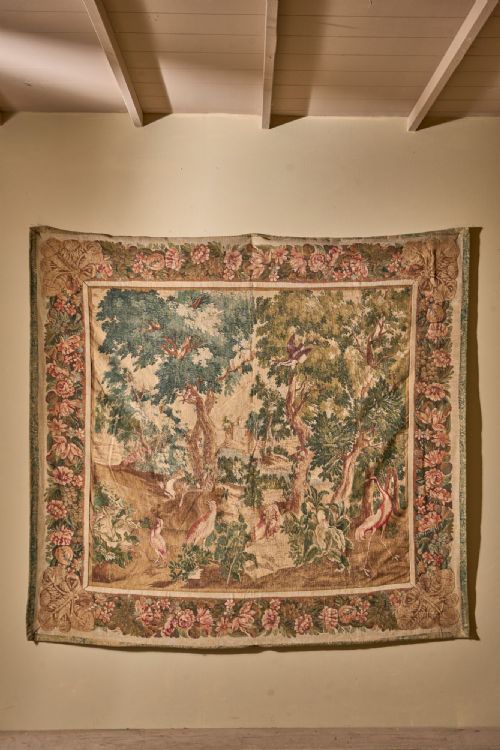
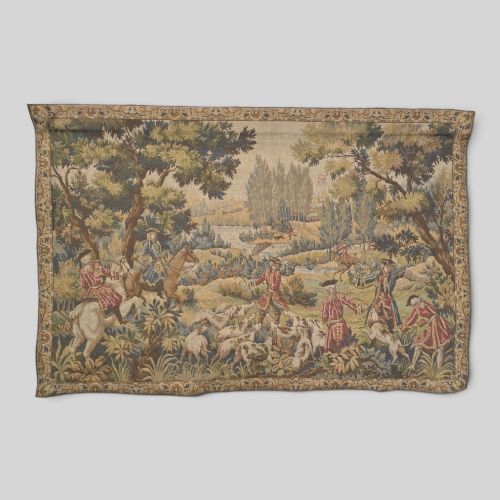
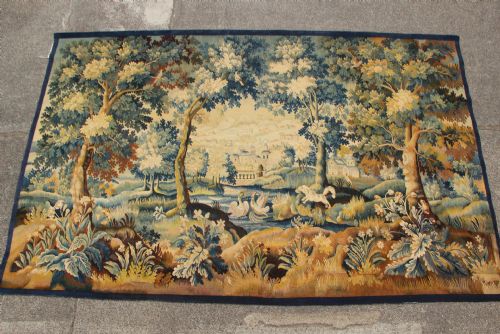
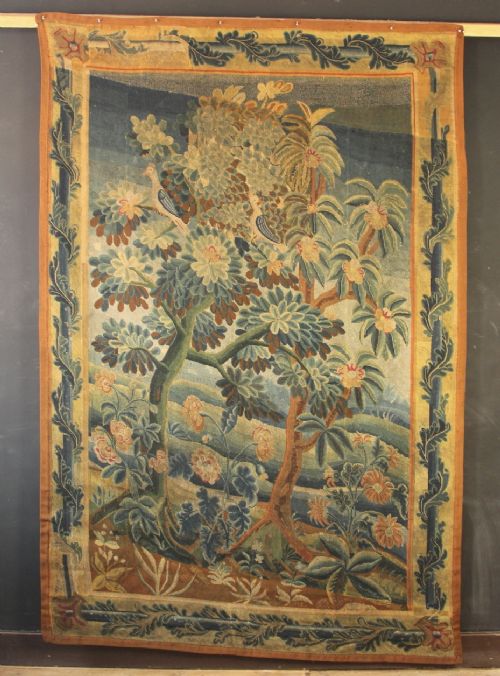
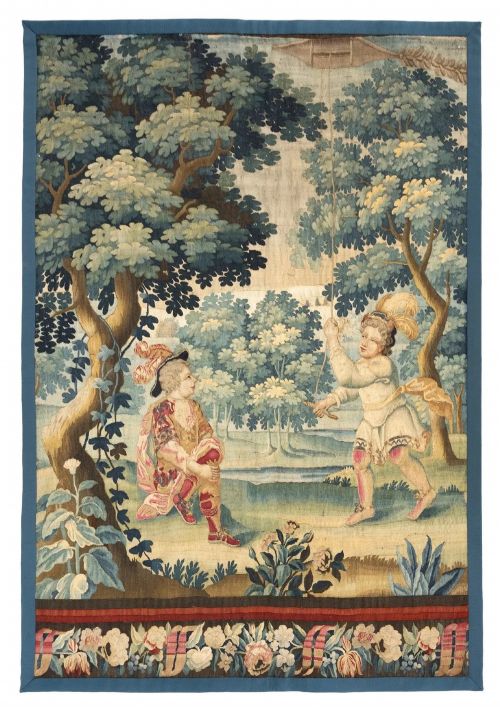
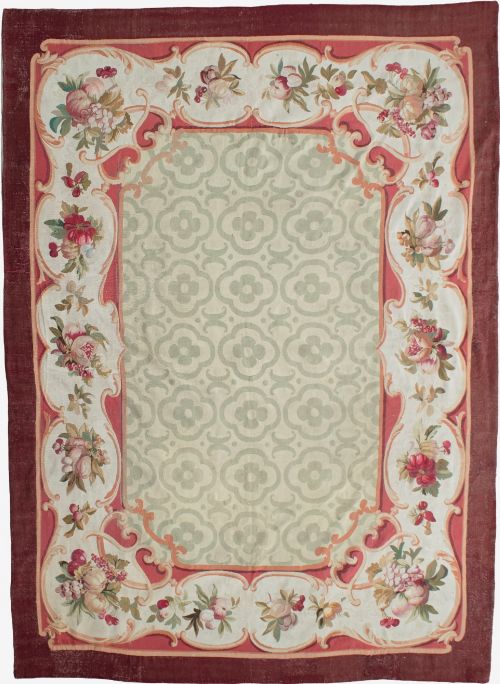
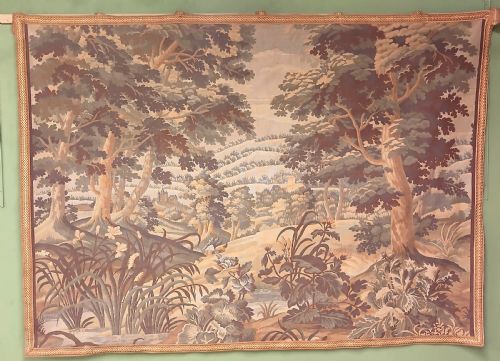
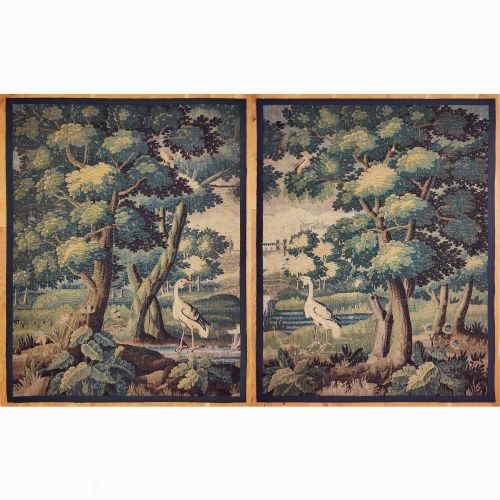
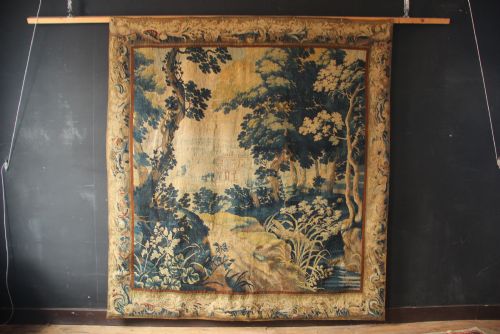
A green wool tapestry encompasses large wall hangings, framed panels, rugs, and cushions originating from periods such as the seventeenth, eighteenth, and nineteenth centuries. The pieces on this page lean heavily toward Flemish verdure scenes and French Aubusson designs, often featuring botanical foliage and woodland motifs.
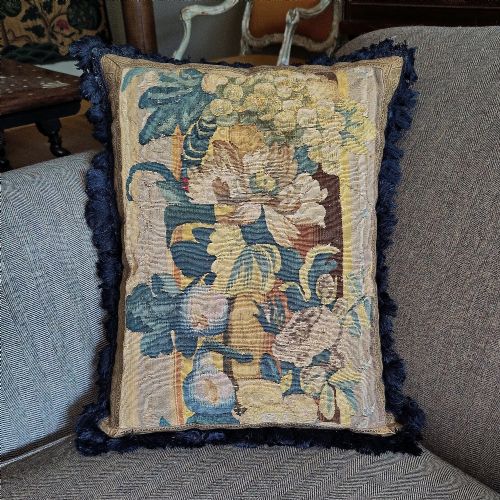
Buyers encounter everything from grand scale mythological Flemish works to smaller textile fragments and cushion covers adapted from historical borders. Origins span France, Flanders, England, and Scandinavia, reflecting diverse regional weaving traditions across wool, silk, and cotton.
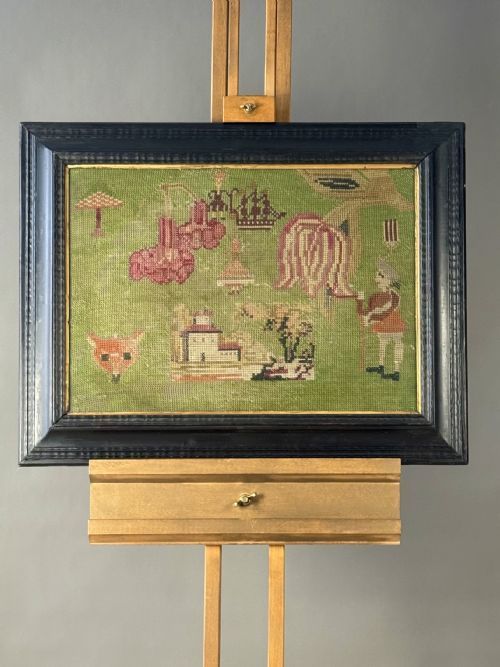
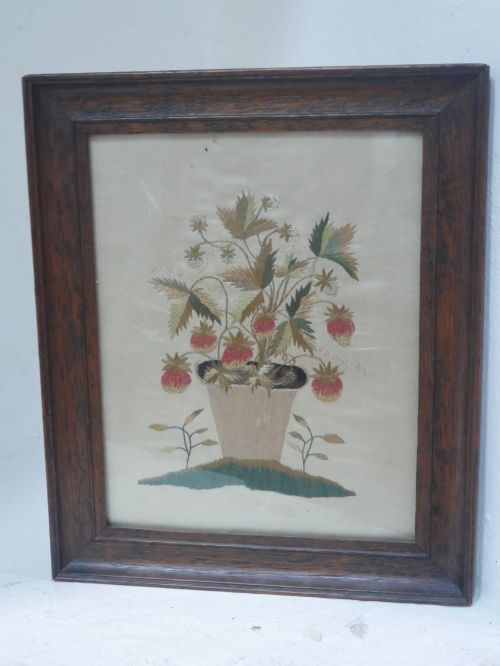
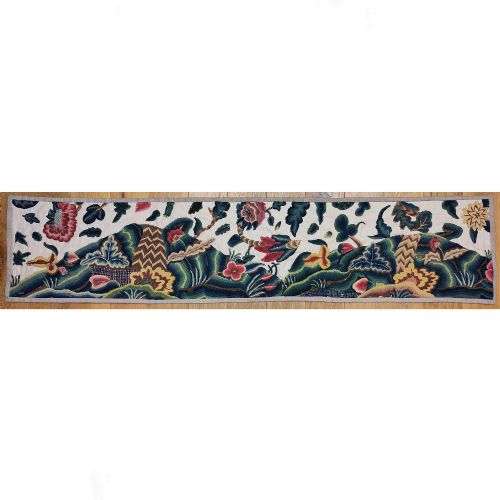
Domestic textiles such as sampler panels, crewelwork, and Scandinavian pillow embroidery also appear alongside monumental room-sized hangings. These items serve both as decorative focal points and as tangible links to historical European textile production.
Materials and construction
The primary foundation relies on wool, frequently combined with silk, cotton, linen, and canvas threads to achieve varied surface textures and tonal depth. Weavers constructed these textiles on looms using hand-woven techniques, building up dense pictorial fields of foliage and figures.
Needlework pieces employ embroidery stitches like gros-point on canvas grounds, while woven examples utilise warp and weft interlocking methods. Natural dye sources yielded the characteristic greens, earth tones, and muted palettes seen across surviving examples.
Green Wool Tapestry Retail Price Guide 2026
Typical asking prices for green wool tapestry among the pieces listed under this phrase on Sellingantiques today, from the lower quarter to the upper quarter. They describe what is for sale here now, not the wider market.
Current listings feature materials including wool, silk, cotton, linen, wood, glass, canvas, and timber across multiple centuries.
Evaluating the pieces
Quality rests upon the density of the weave, the complexity of the design, and the survival of the original colour palette. Finely rendered verdure landscapes with intricate leafwork and balanced composition indicate superior workshop execution.
The integrity of the textile fibres and the extent of historical conservation also dictate the standing of a piece. Intact borders, clear pictorial narratives, and professional mounting elevate certain examples above fragmented or heavily restored counterparts.
The Green Wool Tapestry Glossary
- Verdure
- A tapestry style dominated by lush plant and forest foliage, often featuring trees, foliage, and small animals. These scenes formed a staple of seventeenth and eighteenth-century Flemish and French weaving.
- Aubusson
- Woven textiles originating from the French town of Aubusson, known for both carpets and wall hangings. They frequently display classical pastoral scenes or delicate floral arrangements.
- Crewelwork
- Embroidery executed with wool yarn on a linen or cotton twill ground. This technique creates textured surface designs seen in historical English textile panels.
- Gros-point
- A coarse needlepoint stitch worked on canvas that creates durable, textured pictorial surfaces. It appears frequently in nineteenth-century embroidered wool pictures.
- Kilim
- A flat-woven textile or rug lacking a pile, produced across various regional traditions. These pieces utilise traditional geometric and floral motifs.
Green Wool Tapestry: Frequently Asked Questions
How do I hang a large tapestry safely?
Large textiles require weight distribution across a supportive wooden batten or a hidden sleeve stitched to the reverse. This prevents undue stress on the ancient wool fibres.
Avoid direct nails or pins passing through the fabric itself. Professional framing under UV-filtered glass suits smaller panels and delicate needlework.
What is the difference between Flemish and French panels?
Flemish pieces from earlier centuries typically showcase dense, dark verdure forests, mythological narratives, and robust architectural borders. They emphasise deep greens, browns, and blues.
French outputs, particularly from Aubusson, often adopt lighter pastel palettes, pastoral scenes, and Rococo or neoclassical decorative framing. The weaving styles reflect the distinct aesthetic tastes of their respective regions.
Where were these textiles originally displayed?
Historic wall hangings functioned primarily as functional insulation for stone castle and manor walls, blocking drafts during colder months. They also served as status symbols for wealthy patrons who commissioned grand narrative scenes.
Smaller panels and cushion covers adorned seating furniture and smaller chambers. Today, they translate easily into modern interiors as statement wall art.