



Green Reverse Glass Print
A green reverse glass print offers a brilliant glimpse into historical portraiture and allegory, combining fragile painted panels with rich decorative frames.
Green Reverse Glass Print
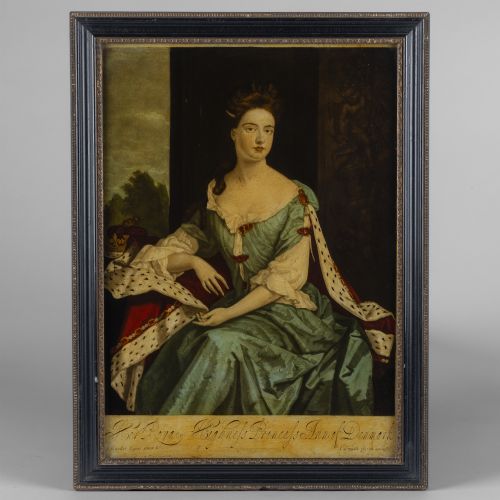
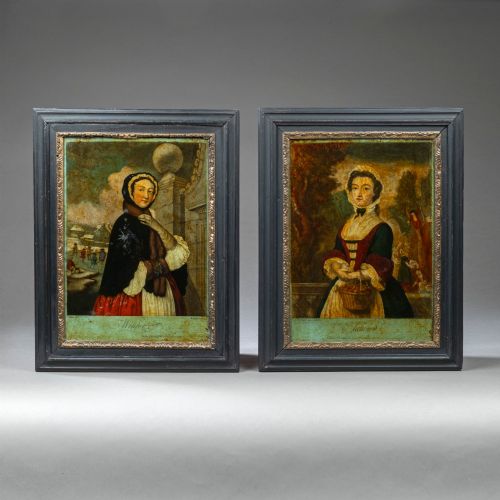
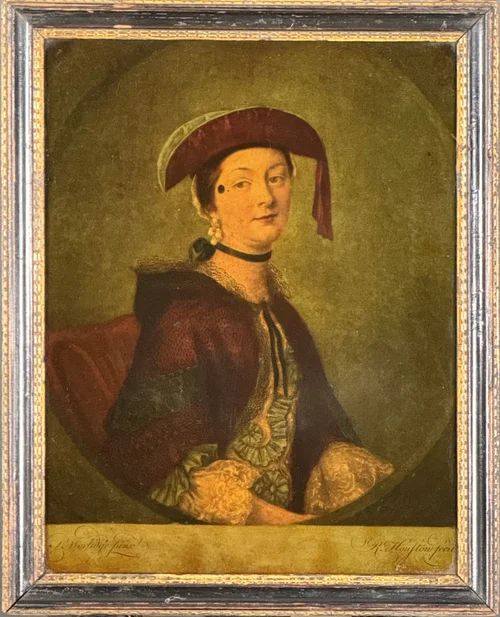
A green reverse glass print is a specialised form of wall art where the image is applied directly to the rear of a glass plate and viewed from the front. The surviving examples on this page span the seventeenth, eighteenth, and nineteenth centuries, taking forms such as portraits and allegorical scenes.
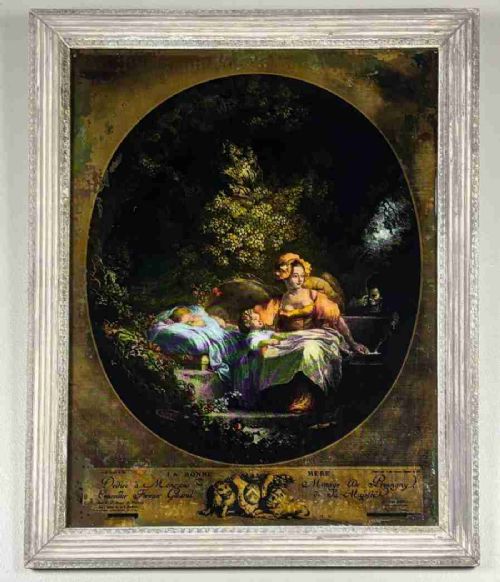
Most pieces you meet here belong to the Georgian era, often depicting notable sitters or romanticised figures like La Bonne Mere and The Lady of the Manor. These works utilise mezzotint and engraving techniques transferred to glass, creating a distinct visual depth that sets them apart from standard paper prints.
You will also find nineteenth-century interpretations and chrystoleum works alongside earlier Georgian and Regency sets of four. The subject matter ranges from individual aristocratic portraits to genre scenes, reflecting the shifting tastes of domestic interiors across several centuries.
Materials and construction
The resulting panels were typically housed in wooden timber frames that protected the delicate painted glass surface from damage. Pigments and oil paints were layered behind the transparent medium, creating a luminous quality when illuminated by ambient light.
Green Reverse Glass Print Retail Price Guide 2026
Typical asking prices for green reverse glass print among the pieces listed under this phrase on Sellingantiques today, from the lower quarter to the upper quarter. They describe what is for sale here now, not the wider market.
Aristocrats and fictional manor ladies rub shoulders on these glass plates, preserving centuries of gazes behind a protective sheen.
Assessing quality and execution
The distinction between standard works and superior examples lies in the precision of the hand-applied pigment and the delicacy of the transferred lines. Finer pieces demonstrate exceptional control in the rendering of textiles and facial expressions through the glass.
The integrity of the original glass plate and the preservation of the underlying oil paint and gilt dictate the visual success of the piece. Superior specimens retain their original timber frames and exhibit minimal pigment flaking across the transparent surface.
Charles Spooner·W Bishop
The Green Reverse Glass Print Glossary
- Reverse glass print
- An image transferred to the back of a glass sheet and painted by hand from behind. This technique protects the pigment while providing a glossy finish when viewed from the front.
- Mezzotint
- A printmaking process of the intaglio family where tones are achieved by roughening the copper plate with thousands of tiny dots. It allows for subtle gradations of light and shade.
- Chrystoleum
- A Victorian method of applying hand-colouring to a transparent paper print affixed to glass and made translucent with oil. The paper backing was often rubbed away to leave only the pigment layer.
- Gilt
- Gold leaf or powdered gold applied to decorative surfaces. In these works, it highlights costume details and frame mouldings.
- Regency
- The period of British history spanning the early nineteenth century, noted for classical restraint and elegance in interior decoration.
Green Reverse Glass Print: Frequently Asked Questions
What is a green reverse glass print?
A green reverse glass print is a historical artwork created by applying a printed image and hand-painted pigments to the back of a glass plate. Viewers look through the glass to see the finished composition.
These pieces were popular wall decorations in Georgian and Regency homes, depicting portraits, allegorical figures, and domestic scenes within timber frames.
Are these pieces originals from the period?
The listings on this page span genuine historical periods including the seventeenth, eighteenth, and nineteenth centuries. Each piece reflects the manufacturing techniques and artistic styles of its respective era.
Examining the glass type, framing methods, and pigment composition helps determine the authentic age of an individual work.
How were these prints displayed originally?
Historical interiors featured these glass panels hung on walls as decorative pictures, often arranged in matching sets or pairs. Their reflective surfaces caught the flickering light of candles and oil lamps.
Their timber frames were designed to complement the formal rooms of Georgian and Regency townhouses and country homes.