




Green Painted Pedestal
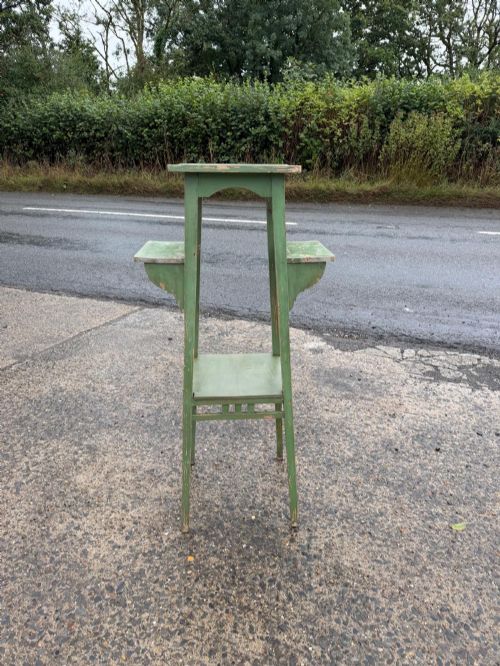
A green painted pedestal brings architectural height and character to a corner, lifting lamps, urns and sculptures above the room's baseline.
Green Painted Pedestal
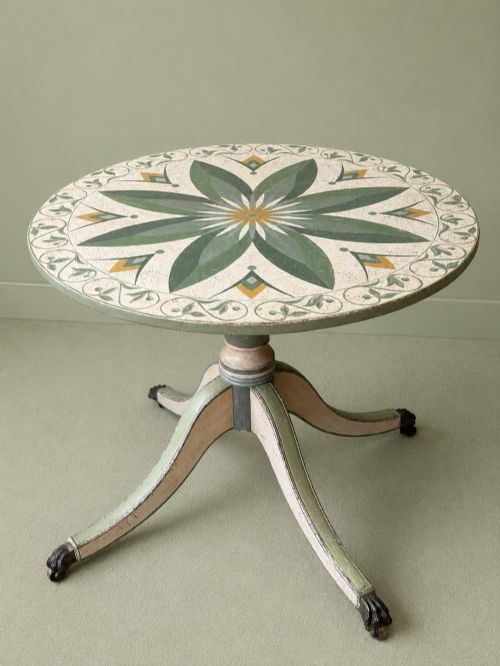
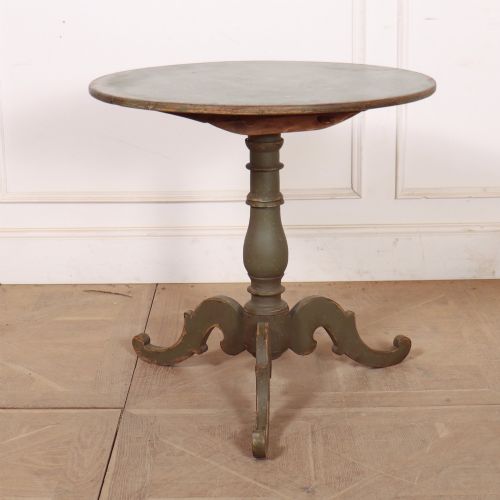
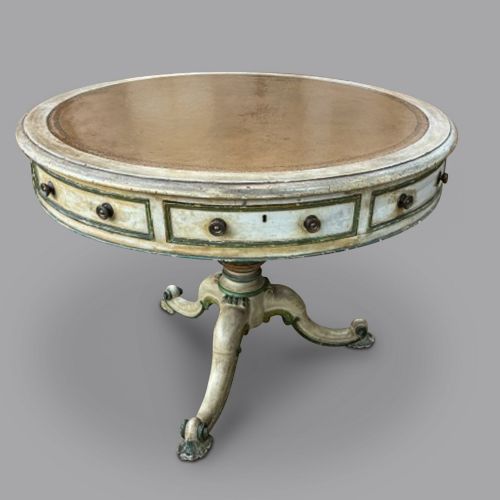
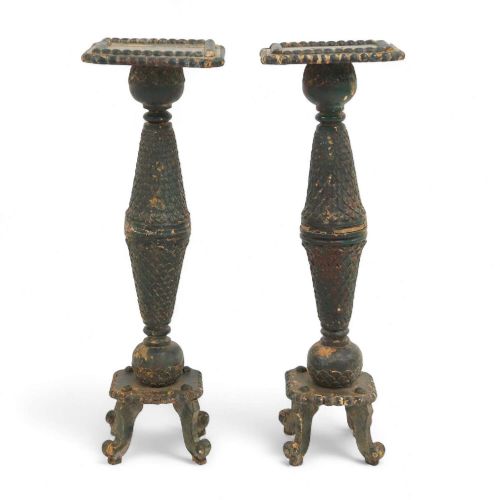
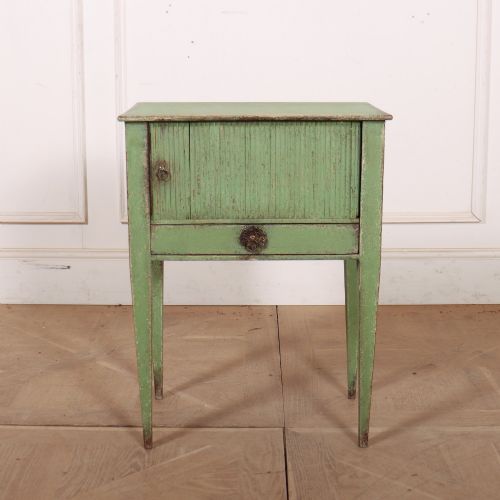
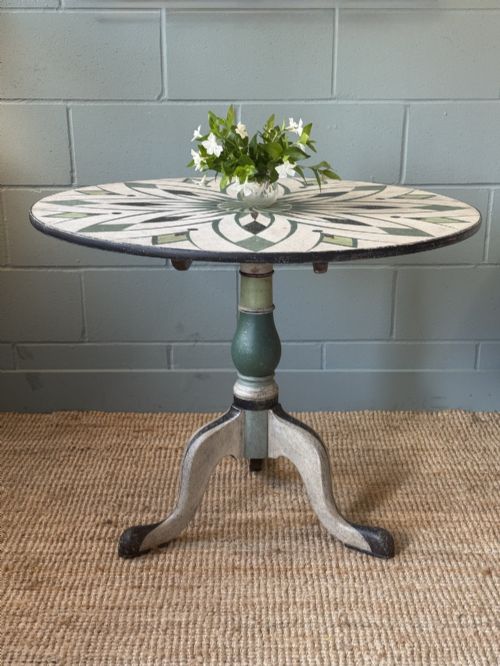
A green painted pedestal encompasses plant stands, torchieres, display columns and occasional tables produced across the nineteenth and early twentieth centuries. These functional items range from Swedish country pieces and neoclassical wooden display columns to Victorian tilt-top tables with later floral designs.
Buyers seeking this phrase encounter painted wood, pine, metal and plaster constructions reflecting styles from Victorian and Edwardian to French Chateau and Dutch Provincial. The selection prioritises vertical display forms designed to elevate decorative objects within domestic and garden spaces.
Materials and construction methods
Makers utilised timber substrates including pine and mixed hardwoods, applying layered paint finishes ranging from original muted pigments to later decorative surface schemes. Some decorative columns employed simulated marble techniques to mimic costly stones like verde antico on wooden structures.
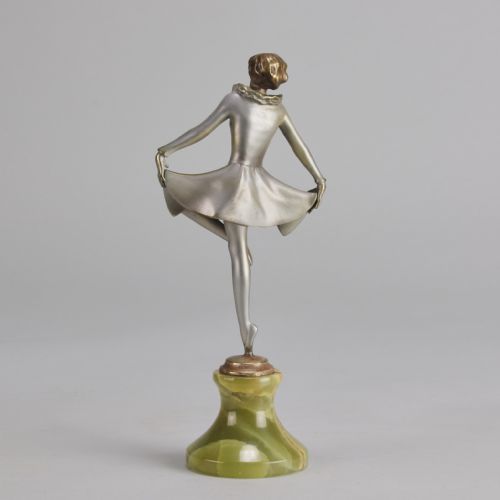
Cast iron and bronze served for heavier garden urns and sculptural figures, whilst porcelain and glass appeared in associated pedestals and vases. Surface detailing frequently incorporated hand-painted floral motifs or gold leaf accents over the primary painted ground.
Even a humble plant stand once held someone's prized fern in the parlour.
Assessing quality and finish
Quality rests upon the integrity of the original surface and the crispness of carved or moulded details, distinguishing genuine period wear from later cosmetic decoration. Pieces retaining their original painted finish command greater interest among collectors than those with subsequent overpainting.
Proportion and structural stability dictate the success of the form, particularly in tall plant stands and torchieres where slender legs or shafts must support heavy weights securely. The execution of decorative motifs, whether neoclassical carving or hand-painted floral panels, reveals the hand of a skilled workshop.
Josef Lorenzl·Ulisse Cantagalli·Richard Seabright·Royal Worcester
The Green Painted Pedestal Glossary
- Torchiere
- A tall stand or floor lamp designed to hold a light source or decorative urn at a high level. These slender supports are frequently encountered in pairs.
- Neoclassical
- A design style drawing inspiration from classical antiquity, featuring restrained symmetry, architectural columns and formal ornamentation. It appears frequently in nineteenth-century stands and tables.
- Verde Antico
- A dark green serpentine marble with white veining, imitated by decorative painters on wooden display columns to create a luxurious finish without the weight of stone.
- Tilt-top table
- A table with a hinged top that can be tilted vertically when not in use, saving space in smaller rooms. Victorian examples often feature tripod bases.
- Toleware
- Painted or enamelled metalware, typically tinplate, used for decorative lamps and vessels. It provides durable colour and metallic sheen.
Green Painted Pedestal: Frequently Asked Questions
How do I style a green painted pedestal at home?
Place a tall plant stand or torchere in an empty corner to introduce vertical height and break up flat expanses of wall. They work effectively as stable platforms for trailing foliage, bronze sculptures or ceramic vessels.
Pair matching columns on either side of a fireplace or doorway for formal balance. Ensure the weight of the displayed object remains centred over the base for stability.
What is the difference between original paint and later decoration?
Original paint refers to the surface coating applied when the piece was first manufactured, which exhibits natural patina, micro-craquelure and wear consistent with age. Later decoration indicates that the item was repainted or embellished with floral designs at a subsequent date.
Both types possess decorative merit, but pieces with undisturbed original surfaces generally hold higher interest for traditional collectors. Examining the pigment layers under magnification helps determine the history of the finish.
How do I identify a nineteenth-century pedestal from a later reproduction?
Nineteenth-century examples display hand-tooling marks, traditional joinery methods such as mortise and tenon joints, and aged timber shrinkage. The composition of the paint layer, showing genuine oxidisation and wear patterns, also distinguishes older pieces.
Later twentieth-century items often utilise modern adhesives, uniform machine-sawn timber and synthetic pigments lacking historical depth. Comparing the construction details against documented period pieces clarifies the date.