
Green Glazed Pottery
Green glazed pottery spans centuries of diverse ceramic traditions, offering collectors rich colour and varied tactile forms.
Green Glazed Pottery
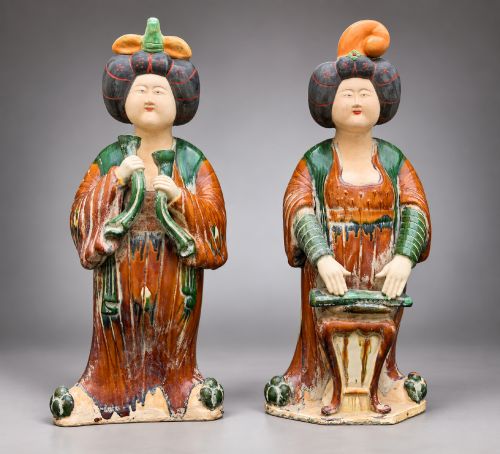
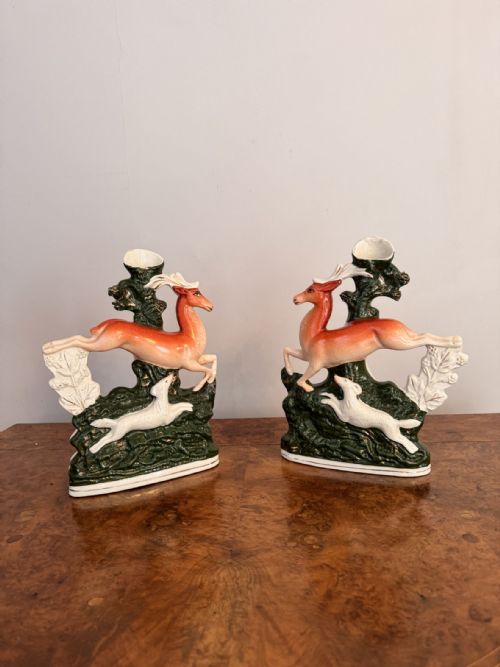
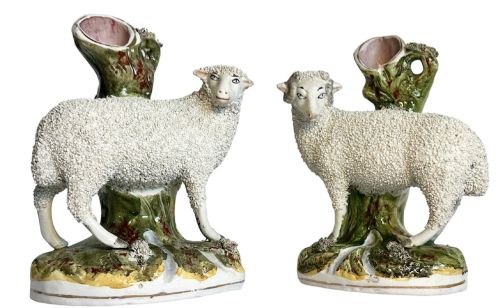
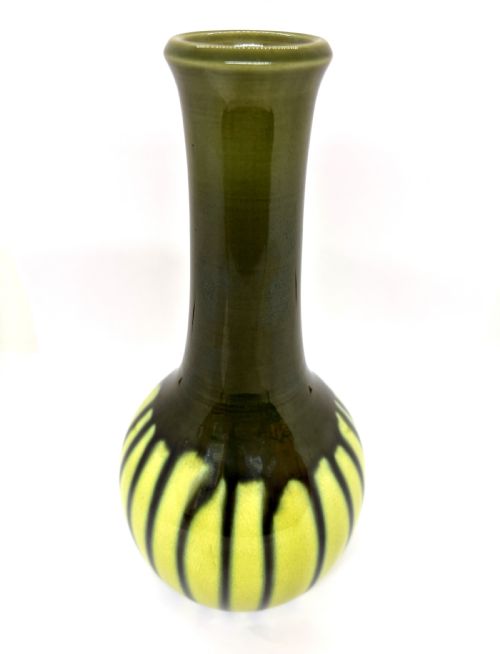
Green glazed pottery encompasses a wide array of historical ceramics, ranging from Victorian majolica and earthenware to Asian stoneware and French utilitarian vessels. Buyers searching this phrase encounter everything from decorative figures and spill vases to large storage pots and studio art pottery. Pieces span multiple eras, notably the nineteenth century, the Art Nouveau period, and earlier Chinese dynasties.
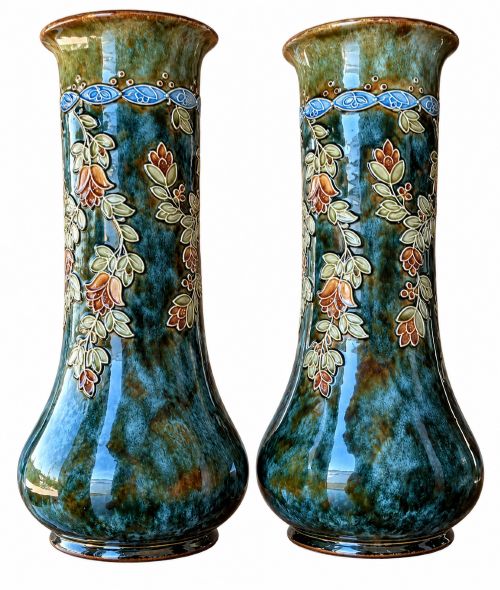
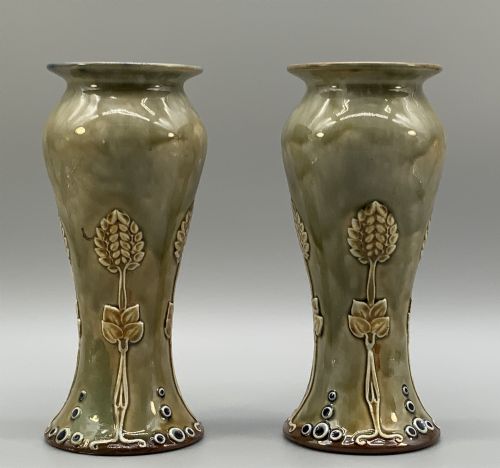
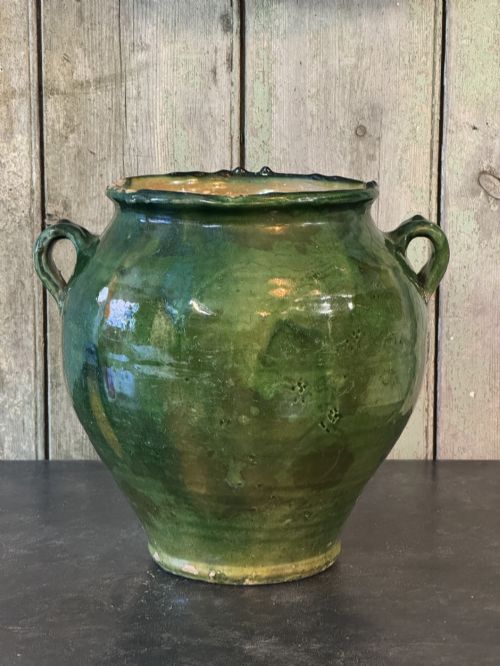
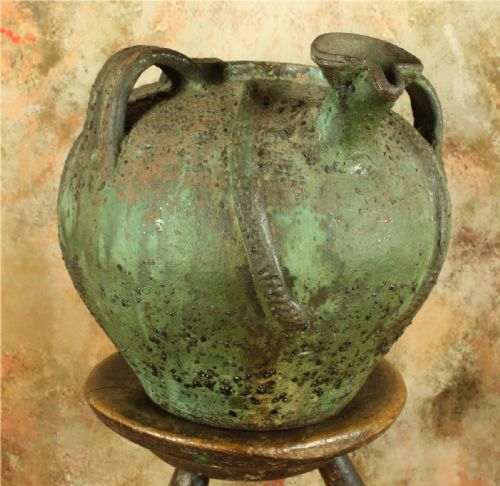
The most common items found in this category are nineteenth-century European vases, ewers, and jardinieres, alongside French confit and oil pots. English stonewares from makers such as Doulton Lambeth frequently appear, often decorated with botanical motifs in rich green tones. These functional and decorative objects reflect the prevailing design movements of their respective decades.
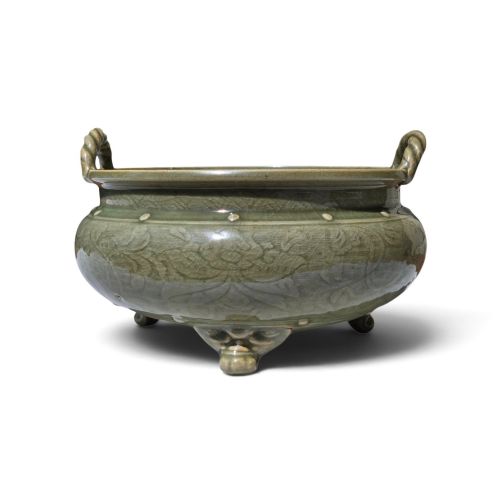
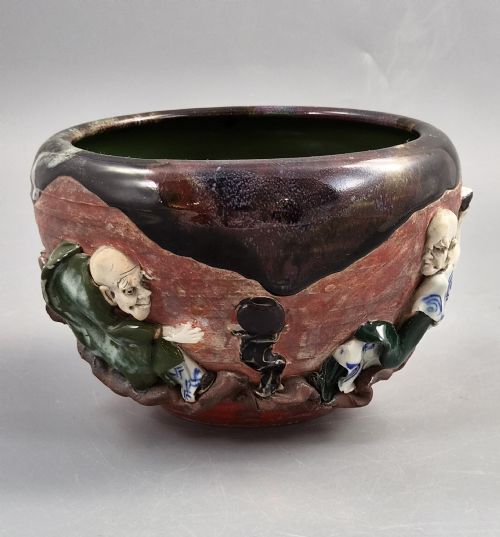
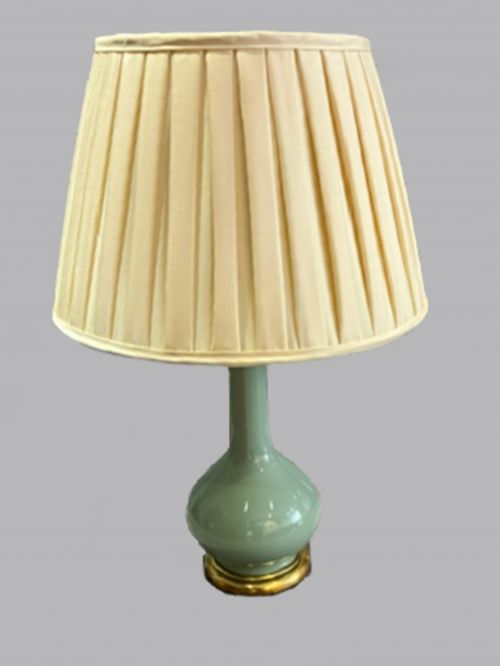
Asian ceramics also feature prominently, including Chinese celadon vessels and Japanese Sumida Gawa sculptural wares. These items demonstrate distinct glazing techniques and regional forms, expanding the scope of the inventory beyond European production. Each piece offers a tangible connection to historical kiln methods and utilitarian design.
Materials and construction
Makers utilised earthenware, stoneware, terracotta, and porcelain as the structural bodies for these green glazed pottery pieces. The clay body was shaped either by throwing on a wheel, moulding, or hand-sculpting before the application of liquid mineral glazes. Firing temperatures determined whether the resulting vessel became porous earthenware or dense, vitrified stoneware.
The characteristic green surfaces were achieved through various chemical compositions, including copper oxides and celadon iron mixtures, applied as fluid glazes or enamel. Some works incorporate tube-lining or relief figures added to the clay body prior to the glazing stage. These technical choices defined the depth of colour and surface texture seen across the inventory.
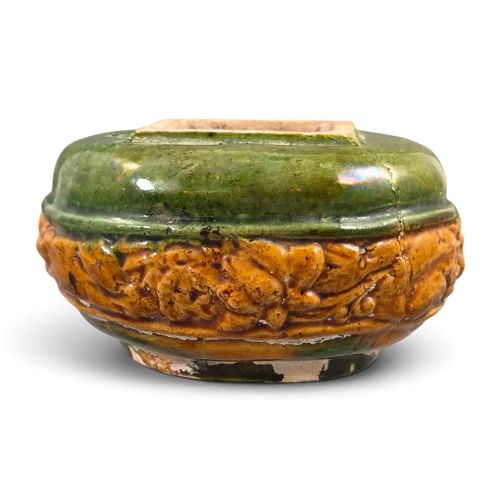
Object forms in the inventory range from Chinese roof tiles and scholar waterpots to English majolica baskets and French confit pots.
Judging the work
Quality in green glazed pottery is determined by the control and depth of the glaze, the crispness of moulded or hand-modelled details, and the balance of the form. Superior examples display even colour distribution without unintended pooling or dry patches, alongside well-defined decorative motifs. The interaction between the glaze and the underlying clay body dictates the visual richness of the finished surface.
Maker attribution and artistic execution elevate certain pieces above standard utilitarian wares. Signed studio pottery or documented works from prominent potteries exhibit greater individual expression in form and surface treatment. The precision of applied decoration, whether floral tube-lining or sculptural figures, separates standard production items from exceptional works.
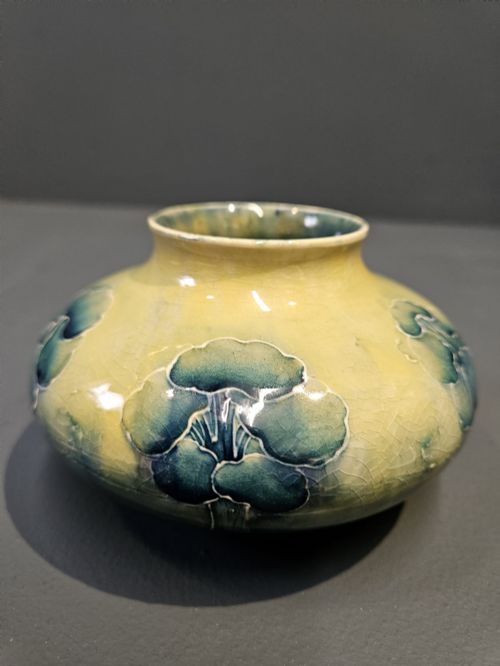
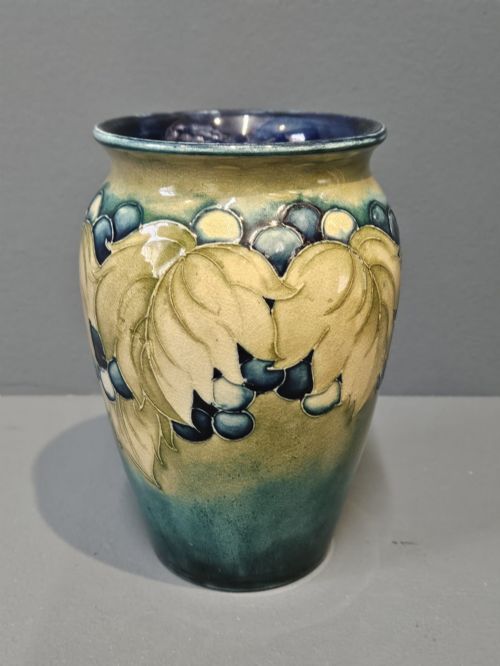
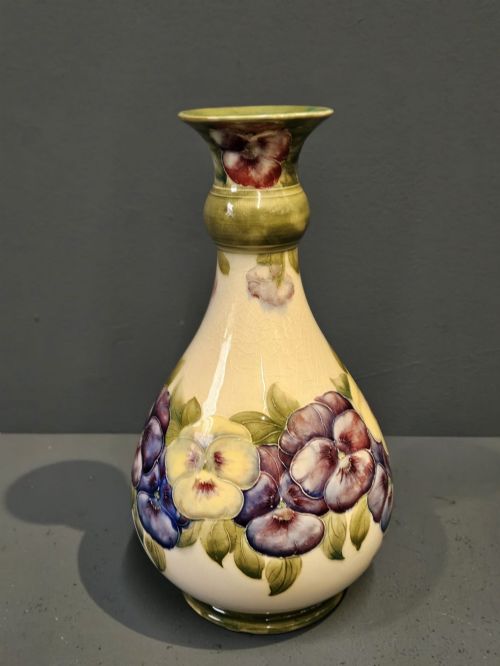
Royal Doulton Lambeth·Moorcroft·George Jones·Charles Vyse·Makuzu Kozan·Sir Edmund Elton
The Green Glazed Pottery Glossary
- Earthenware
- Porous ceramic fired at lower temperatures, requiring a glaze to achieve water tightness. It forms the base of many European majolica and utilitarian vessels.
- Stoneware
- Dense, impermeable ceramic fired at higher temperatures until the clay body vitrifies. This material resists liquid absorption and forms robust historical vases and jugs.
- Majolica
- Opaque tin-glazed earthenware decorated with coloured metal oxides, popular during the Victorian era. It is known for vibrant hues and relief-moulded designs.
- Celadon
- Pale green or grey-green glaze originating in East Asia, imitating the appearance of jade. The colour results from iron oxide interacting in a reducing kiln atmosphere.
- Spill vase
- A narrow cylindrical vessel designed to hold taper candles or wooden spills used for lighting fires. They were common nineteenth-century household accessories.
Green Glazed Pottery: Frequently Asked Questions
How do I clean old green glazed pottery?
Dust these items gently with a dry, soft-bristled brush to remove surface particles.
Avoid immersing antique porous earthenware in water, as moisture can penetrate old clay bodies and damage historical glazes.
What is the difference between earthenware and stoneware?
Earthenware is fired at lower temperatures, leaving the ceramic body porous and requiring a glaze to hold liquids.
Stoneware reaches higher kiln temperatures, causing the clay to vitrify into a dense, non-porous material.
How can I identify Art Nouveau green pottery?
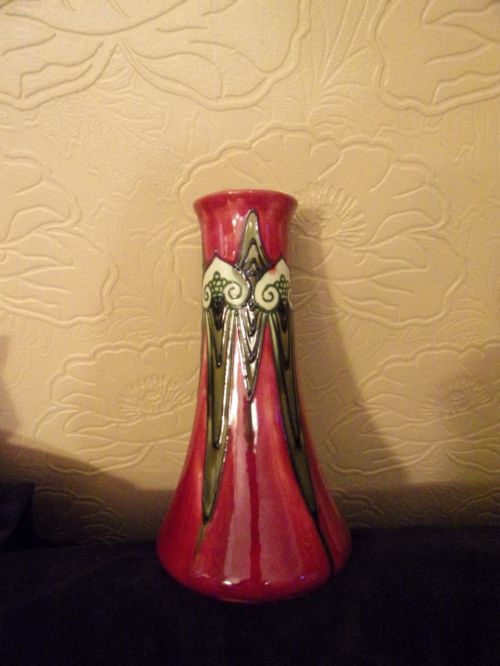
Look for flowing, asymmetrical plant motifs, stylised flower stems, and organic silhouettes characteristic of the late nineteenth and early twentieth centuries.
Many pieces feature tube-lined glazes that create raised outlines around botanical designs.
Were these green glazed vessels used for cooking?
Some large French jars and pots served utilitarian functions like holding oil, olives, or food provisions.
Many other items, such as spill vases and jardinieres, served strictly decorative roles in period interiors.
What causes the varying shades of green in these glazes?
Different mineral oxides, such as copper or iron, produce varying green tones depending on their chemical makeup and kiln conditions.
Celadon glazes derive their soft green colour from iron reacting during firing, while majolica often employs copper-based mixtures.