





Moulded Floral Ceramics
Moulded floral ceramics bring tactile relief and painted depth to interior displays, uniting centuries of kiln craft.
Moulded Floral Ceramics
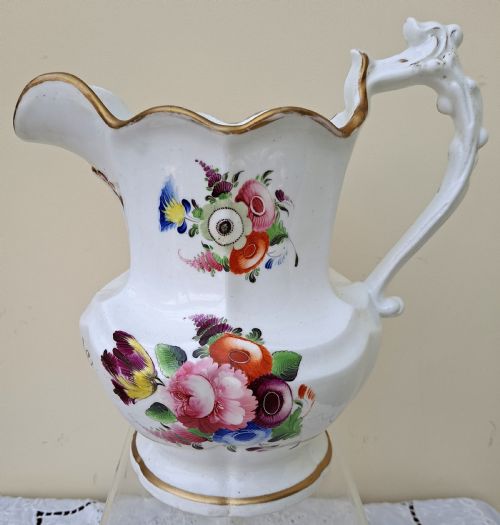
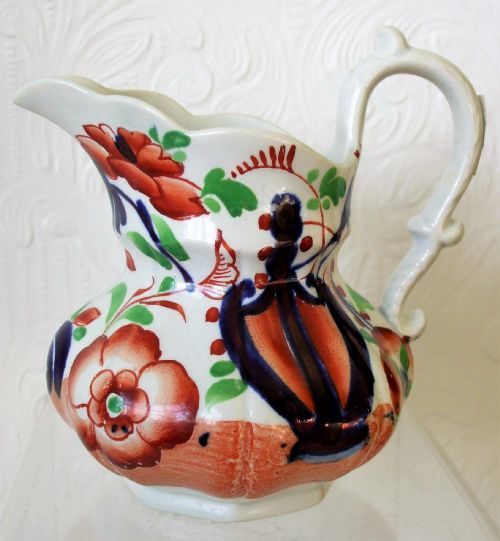
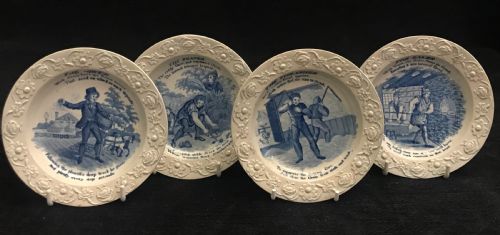
Moulded floral ceramics span diverse historical periods from early Chinese dynasties through to Victorian England, offering collectors varied forms like dishes, jardinieres, and jugs. When exploring moulded floral ceramics, you encounter functional tableware and decorative display pieces shaped by press moulding or slip casting.
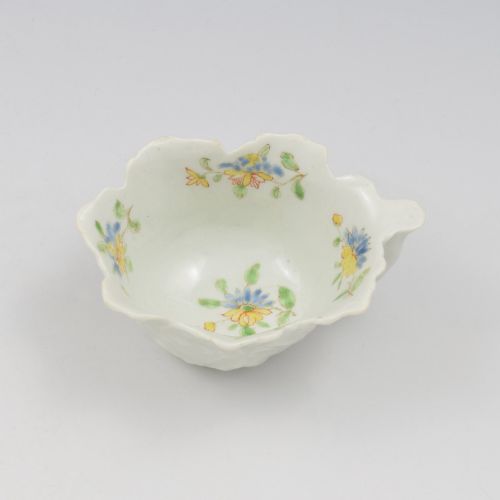
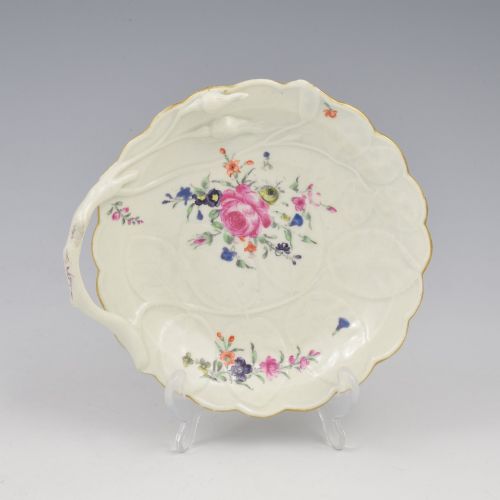
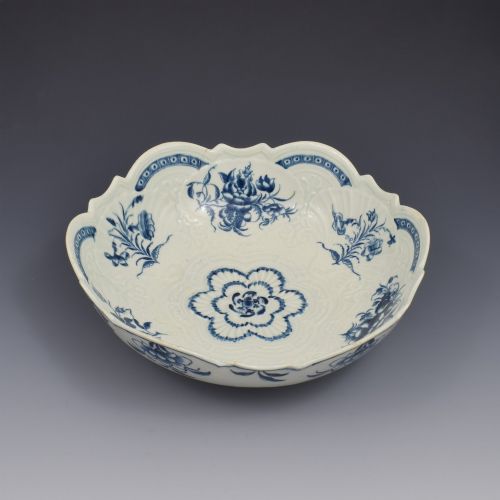
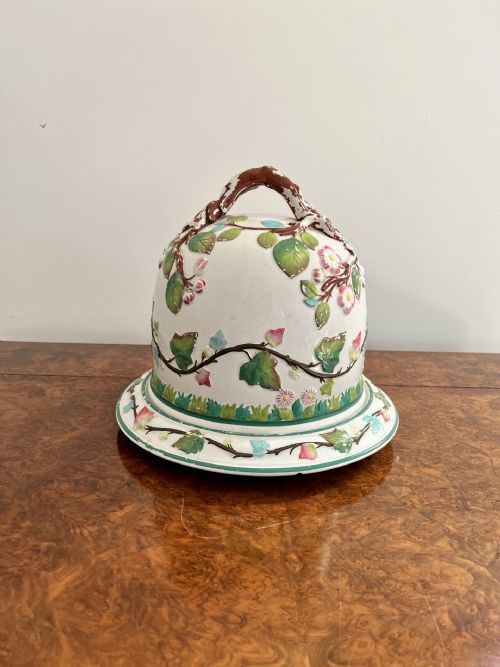
The selection ranges from eighteenth-century soft-paste porcelain sweetmeat dishes to nineteenth-century majolica cheese domes and earthenware jelly moulds. Pieces originate from English factories, Scottish potteries, and Asian kilns, displaying botanical motifs raised directly from the clay body.
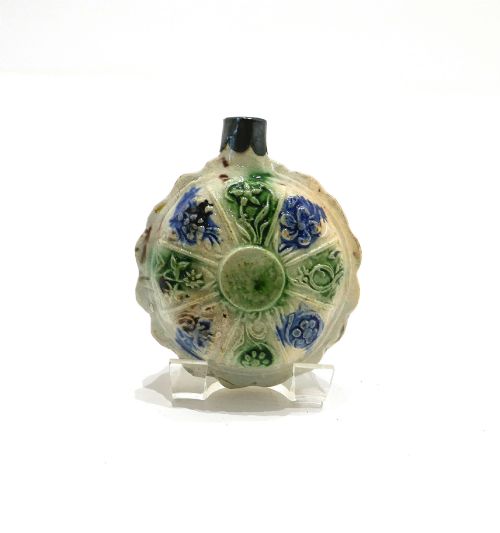
Early examples include Pratt ware spirit flasks and Worcester porcelain butter boats, while later works encompass Burmantofts art pottery and Royal Worcester blush ivory. Each piece demonstrates how makers utilised three-dimensional floral decoration across different ceramic bodies.
Materials and Techniques
Potters shaped these items using earthenware, soft-paste porcelain, and standard ceramic bodies pressed into carved moulds to create raised botanical relief. Underglaze oxides, polychrome enamels, and vibrant glazes were then applied to highlight the moulded floral patterns.
Some wares received rich additions of gold leaf or distinctive celadon glazes, while others relied on tin-glazed majolica finishes to accentuate the surface texture. Kiln firing techniques varied from high-fired Chinese celadons to lower-temperature earthenware production in European potteries.
Moulded Floral Ceramics Retail Price Guide 2026
Typical asking prices for moulded floral ceramics among the pieces listed under this phrase on Sellingantiques today, from the lower quarter to the upper quarter. They describe what is for sale here now, not the wider market.
Materials represented across the inventory include porcelain, earthenware, majolica, and soft-paste porcelain enriched with enamel and glaze.
Factors of Quality
The sharpness of the moulded relief dictates the initial visual impact, distinguishing crisp botanical detailing from softened or worn impressions. Finer pieces maintain precise definition in petals and stems, whereas lesser items show blurred transitions where the mould has lost edge clarity.
Glaze application and enamel work further separate standard production from superior pieces, particularly in the control of colours and the smooth distribution over high-relief contours. The sophistication of the ceramic paste, whether translucent soft-paste porcelain or resonant majolica, determines the structural refinement of the object.
Dr Wall Worcester·Burmantofts Art Pottery·Royal Worcester·George Jones·Wedgwood
The Moulded Floral Ceramics Glossary
- Soft-paste porcelain
- A glassy ceramic composition fired at lower temperatures than hard-paste porcelain, common in eighteenth-century English factories. It yields a warm, creamy body that interacts distinctively with underglaze and enamel colours.
- Majolica
- A colourful, lead-glazed earthenware style popular in the nineteenth century, known for vivid hues and heavy botanical moulding. This technique creates a glossy finish that pools richly in the recesses of floral relief.
- Pratt ware
- An English earthenware type from the late eighteenth century characterised by underglaze colouration in blues, ochres, and browns. Pieces often feature moulded relief decoration depicting classical or floral subjects.
- Celadon
- A pale green jade-like glaze applied to high-fired ceramics, originating in Asian kilns. The glaze settles thickly over carved or moulded floral scrolls to emphasise the underlying pattern.
- Sweetmeat dish
- A small compartmented or shaped serving vessel designed for sweet confections and dried fruits. These tablewares frequently showcase delicate moulding and painted floral details.
Moulded Floral Ceramics: Frequently Asked Questions
How do I identify early pieces?
Early pieces often reveal themselves through soft-paste porcelain bodies, hand-painted polychrome enamels, and distinct eighteenth-century potting traits. Examining the base and the weight of the ceramic helps determine the period.
Maker-specific marks or characteristic glaze pooling also assist in dating, though many early items rely entirely on stylistic attributes and manufacturing techniques for identification.
What is majolica pottery?
Majolica is a nineteenth-century earthenware tradition defined by colourful, lustrous lead glazes poured over heavily moulded relief surfaces. This style was widely used for large jardinieres, cheese dishes, and decorative planters.
The glazes create a vibrant, glossy finish that celebrates botanical and natural themes with dramatic visual texture.
Where were these ceramics made?
Production centres spanned English potteries in Staffordshire and Yorkshire, Scottish kilns, and historical kilns in China. Each region brought distinct regional materials and local stylistic traditions to the moulded forms.
European factories focused on earthenware and porcelain innovations, while Asian kilns perfected celadon and blue-and-white traditions.