





Green Glazed Pottery Jar
These green glazed pottery jar pieces offer robust utilitarian charm, bridging centuries of craft from French provincial cellars to ancient dynasties.
Green Glazed Pottery Jar
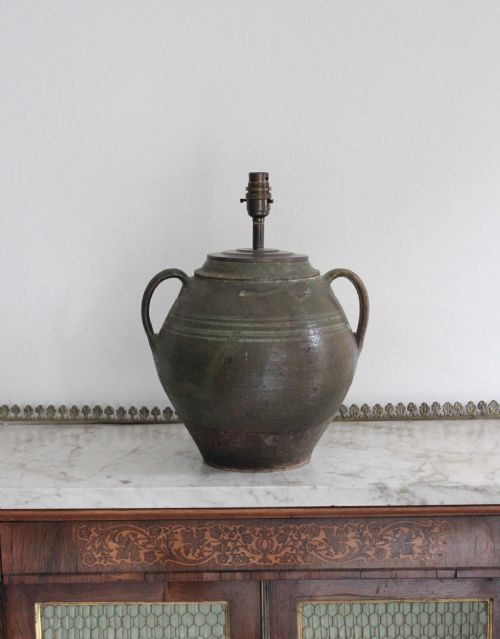
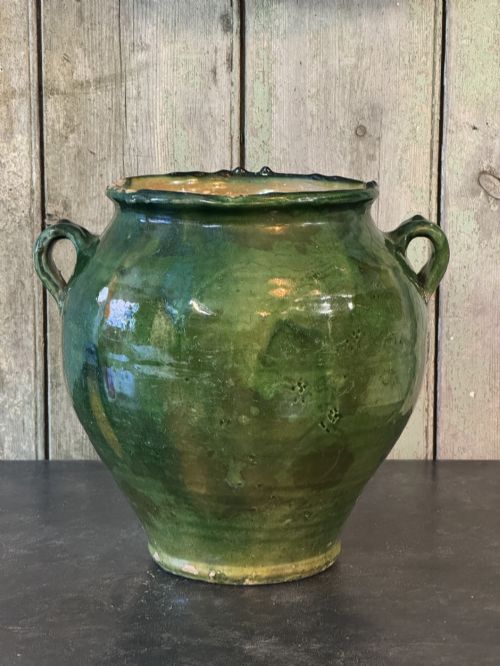
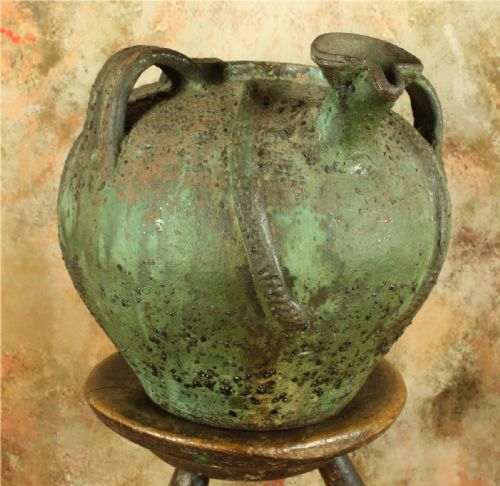
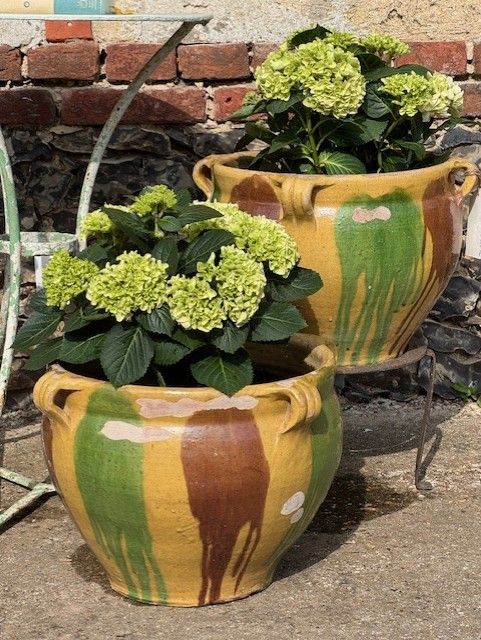
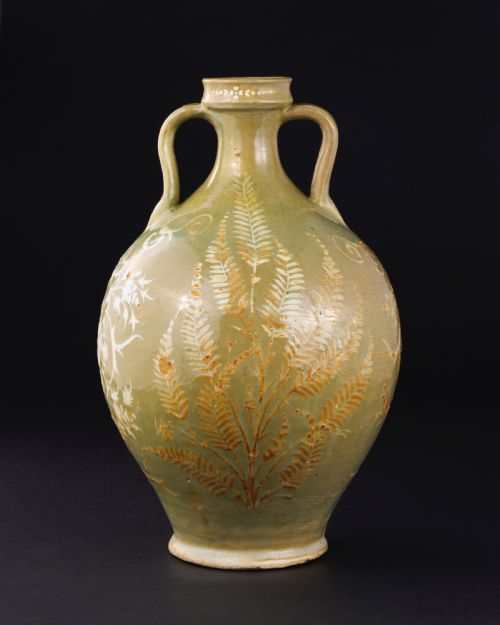
A green glazed pottery jar brings together functional vessels and decorative forms spanning the 18th century, 19th century, and earlier eras. You encounter French confit pots, olive jugs, and planters alongside Chinese celadon jars and amphora vessels.
The selection ranges from rustic European folk items to pieces with Song Dynasty, Qing Dynasty, and Safavid Dynasty origins. These vessels served practical roles in storage and daily life before finding a place in modern collections.
How they were made
Potters shaped earthenware, terracotta, and stoneware by hand, utilising basic throwing techniques for utilitarian vessels. Artisans applied lead and tin glazes, alongside specialised finishes such as celadon glaze and tea dust glaze.
Firing took place in traditional kilns, where mineral oxides produced the characteristic green tones. Dribble glazes and majolica finishes occurred through deliberate application and kiln chemistry during specific periods.
Green Glazed Pottery Jar Retail Price Guide 2026
Typical asking prices for green glazed pottery jar among the pieces listed under this phrase on Sellingantiques today, from the lower quarter to the upper quarter. They describe what is for sale here now, not the wider market.
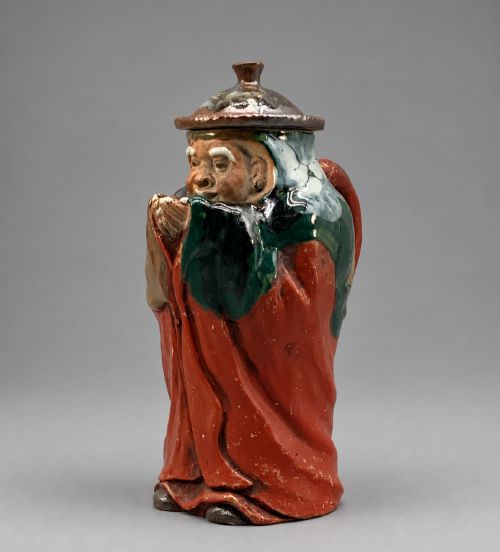
A powder box disguised as a flapper girl ensures that even mundane cosmetic storage from 1930 holds a theatrical grin.
What varies in quality
The character of the glaze distinguishes these pieces, from even coverage to animated drip patterns and complex celadon surfaces. Material thickness and the organic irregularities of handmade terracotta or earthenware contribute to the visual weight.
Historical integrity and stylistic cohesion set individual examples apart. The alignment between regional French folk methods or imperial Asian traditions and the surviving condition defines the standard of each item.
The Green Glazed Pottery Jar Glossary
- Confit pot
- A traditional French earthenware vessel featuring handles, used historically for preserving and storing meats or fats. These pots typically display rich glazes on the upper portion.
- Celadon glaze
- A pale green jade-like glaze originating in East Asian ceramics. The subtle colour results from iron oxide interacting within a reduction kiln.
- Majolica
- Pottery decorated with opaque tin glazes over earthenware, known for bright colours. The technique gained prominence during the Renaissance and continued into later centuries.
- Amphora
- An ancient style of container with two vertical handles and a narrow neck. These vessels functioned primarily for the transport and storage of oil or wine.
- Stoneware
- A heavy, dense ceramic fired at high temperatures until vitrified. This process renders the body impermeable to liquids without requiring interior glaze.
Green Glazed Pottery Jar: Frequently Asked Questions
What were green glazed pottery jars used for?
These vessels fulfilled practical roles in domestic and agricultural settings, such as storing oil, water, preserves, and dry goods. French confit pots preserved meats, while apothecary jars held medical preparations.
Over time, many of these utilitarian containers transitioned into decorative roles within homes and gardens, appreciated for their earthy textures and historical presence.
How do I distinguish between periods?
Dating relies on examining the clay body, glaze characteristics, and regional manufacturing traits. Earlier pieces from dynasties or the Renaissance often show specific potting techniques and glaze formulations distinct from later European folk pottery.
Consulting the listed century provides a baseline, while handling pieces helps familiarise collectors with the weight and feel of different eras.
Can I use antique planters outdoors?
Many earthenware and terracotta planters withstand outdoor conditions, but freezing temperatures can damage porous, older ceramics. Glazed stoneware generally offers better resistance to moisture and frost than unglazed bodies.
Assessing the specific material density and previous exposure helps determine whether a vessel is suitable for garden use or requires indoor placement.
Why do glaze colours vary so much?
Glaze variations arise from differences in mineral content, kiln temperature, and placement during firing. Natural oxides created the greens, ranging from soft celadon to deep majolica and runny dribble glazes.
Hand-mixed ingredients and primitive kiln controls meant that no two vessels turned out identical, giving each piece a distinct personality.