
Green Glazed Ceramics
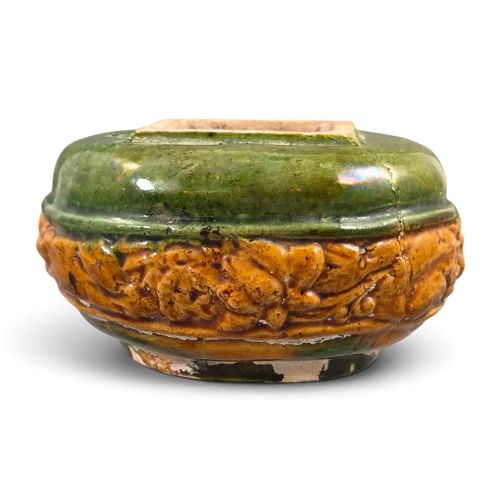
These green glazed ceramics bring together centuries of earthenware, porcelain, and stoneware shaped into vases, figurines, and bowls.
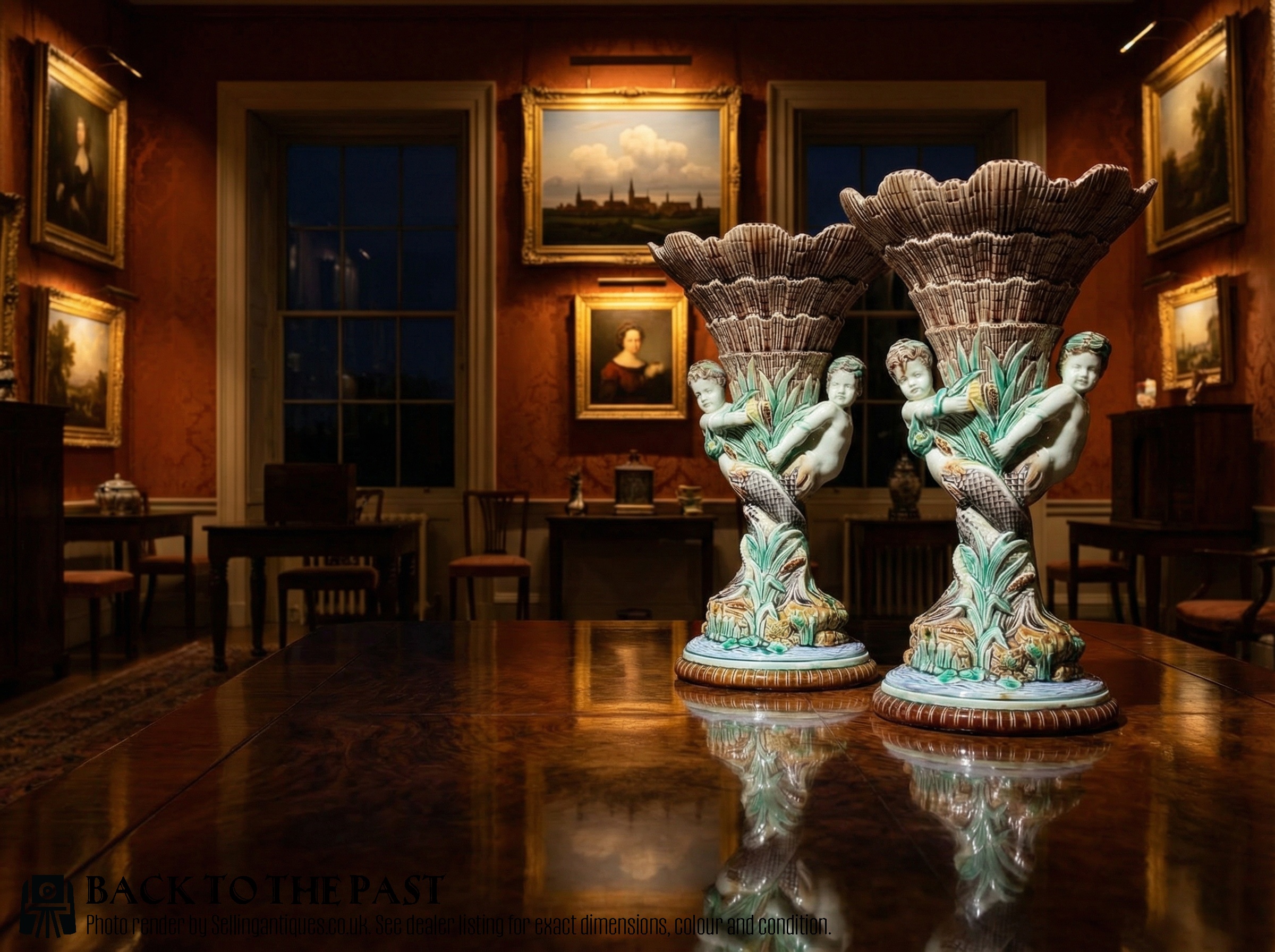
Green Glazed Ceramics
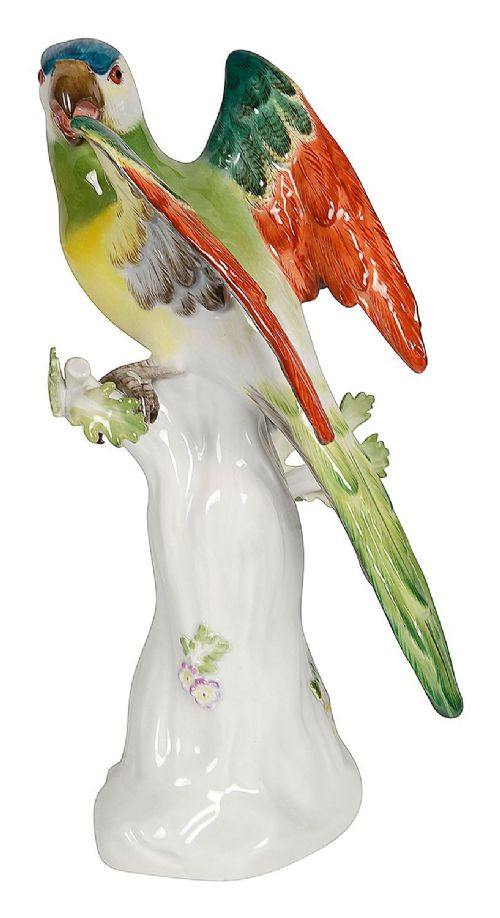
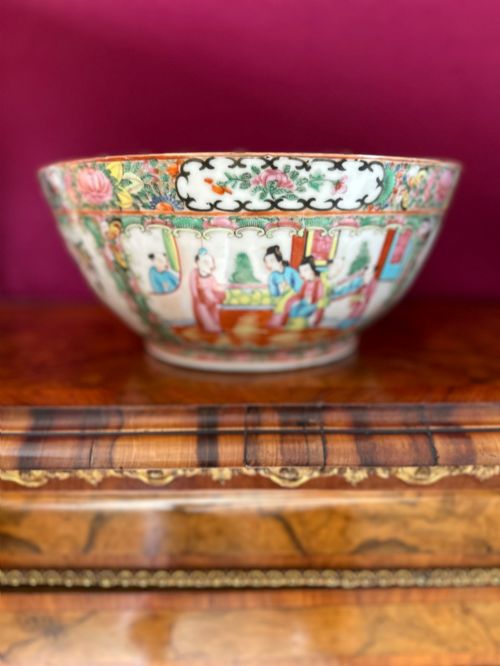
Green glazed ceramics span diverse forms including vases, figurines, decorative bowls, and dessert services created across the nineteenth and twentieth centuries.
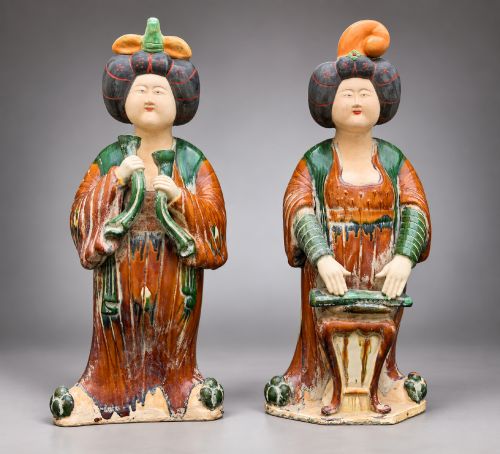
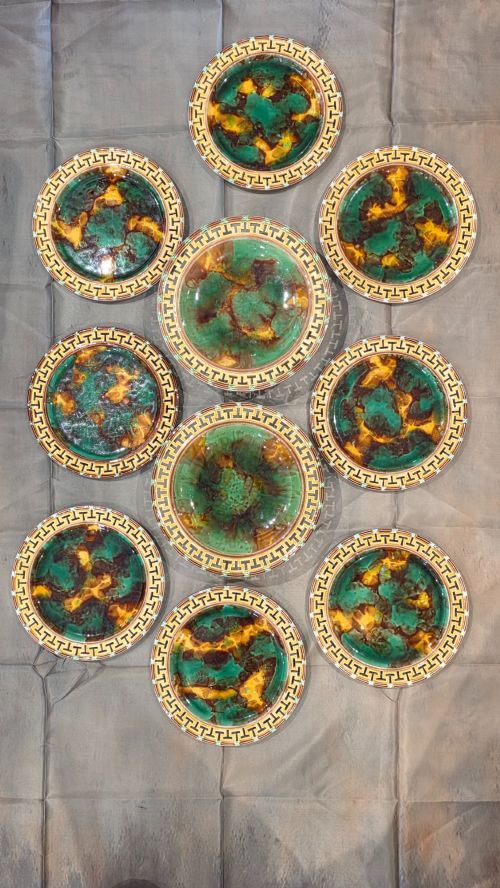
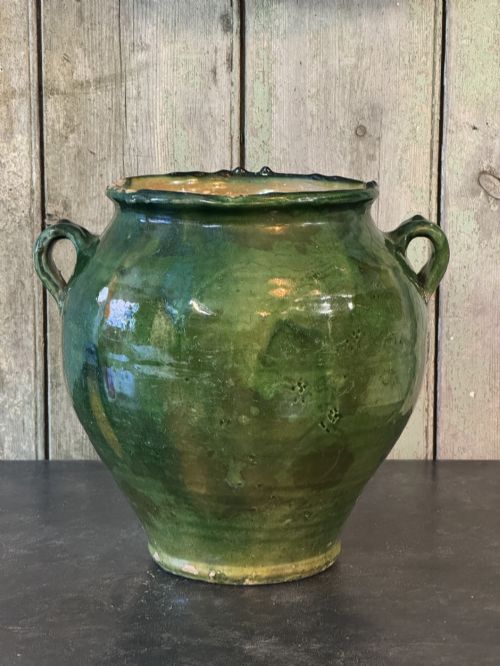
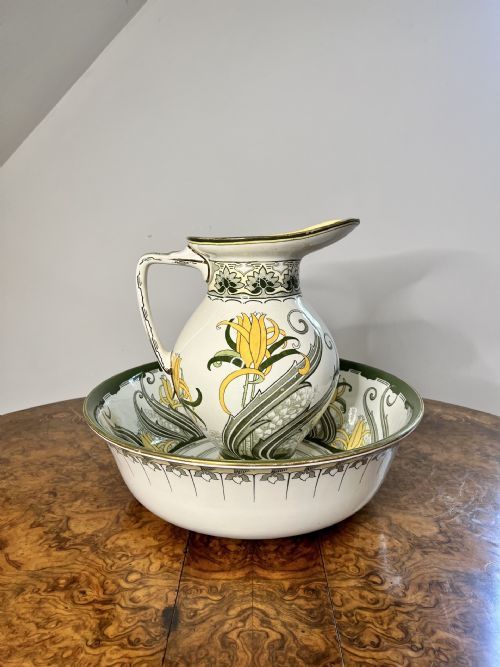
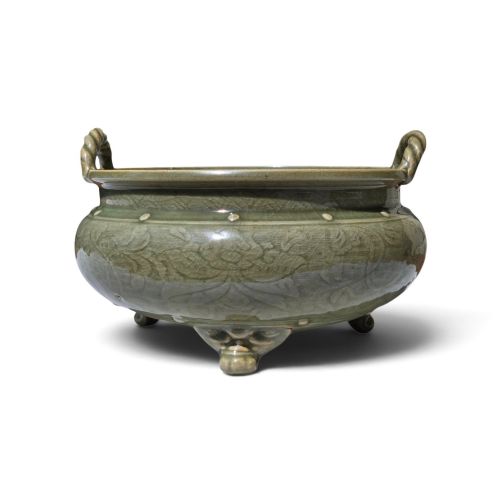
Makers utilise styles ranging from traditional Ming dynasty celadon and French provincial pottery to Victorian majolica and Art Nouveau stoneware.
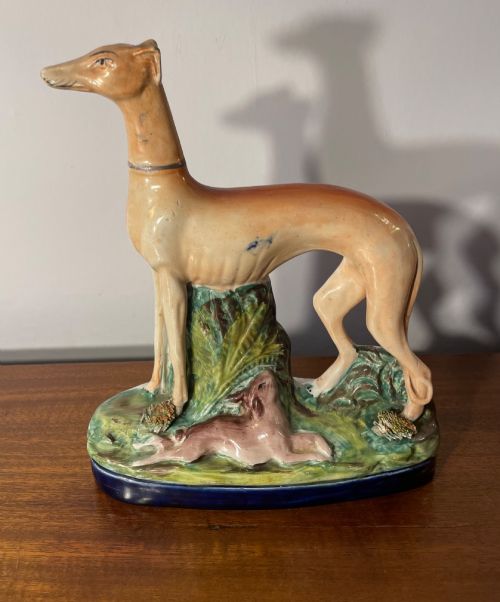
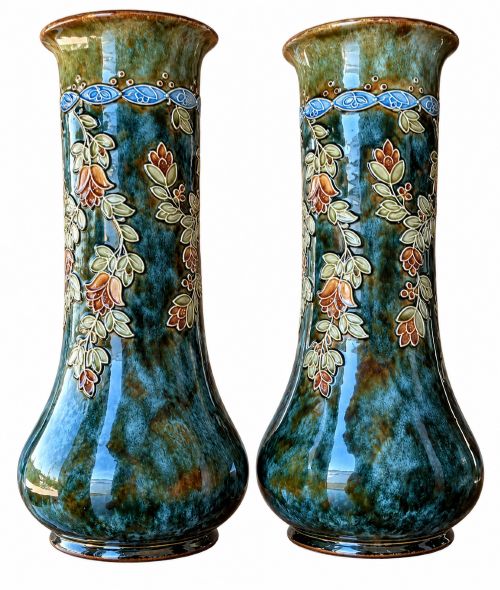
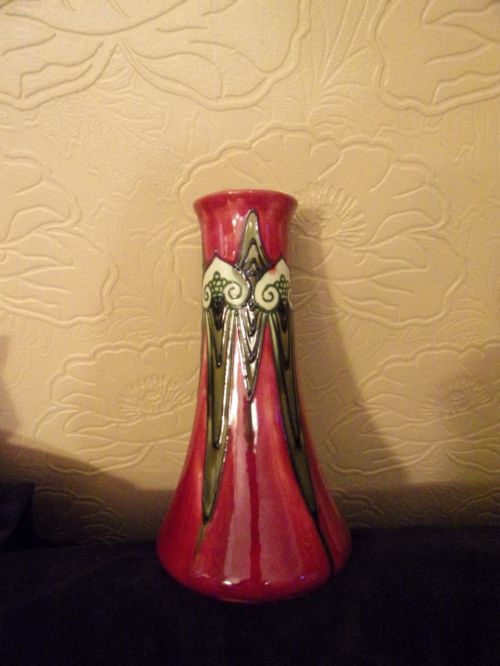
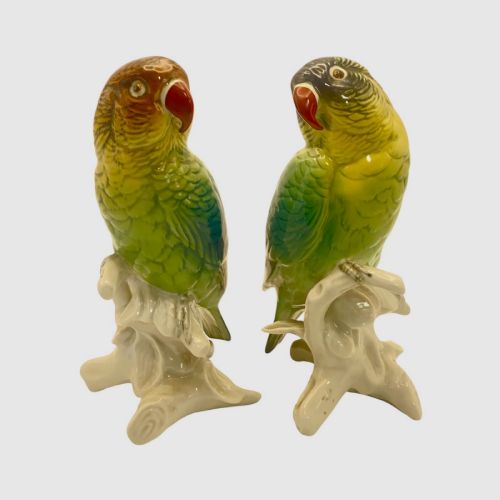
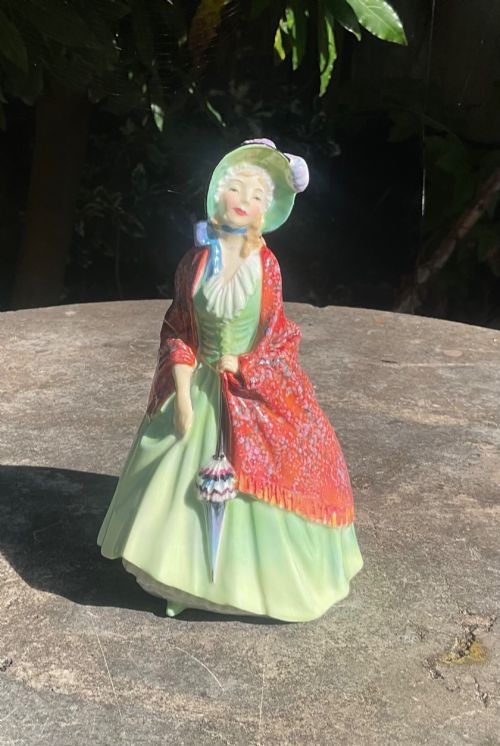
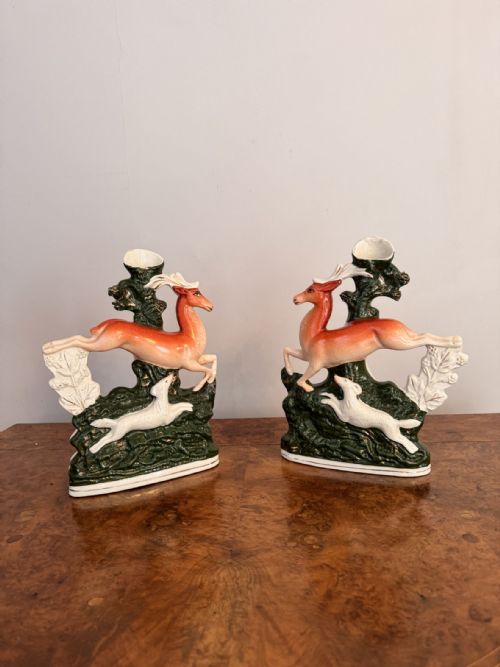
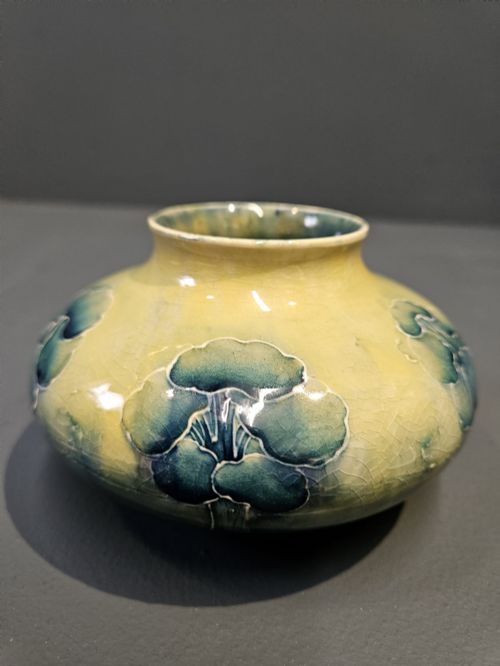
Common finds on this page comprise Staffordshire spill vases, Moorcroft vessels, and Royal Doulton pieces displaying rich green tones.
Materials and production methods
Potters shape local clays into earthenware, stoneware, and porcelain before applying mineral-rich glazes to achieve characteristic green hues.
Firing techniques in kilns transform raw clay and glaze into durable ceramics, occasionally incorporating tube-lined designs or hand-painted relief figures.
Listings feature earthenware, stoneware, and porcelain spanning the nineteenth century through the 1930s.
Assessing quality and execution
Quality rests upon the precision of the potter's form and the depth achieved within the green glaze, whether through crystalline effects or rich majolica layering.
Artisanal skill shows in the sharpness of moulded relief details, the balance of tube-lined patterns, and the controlled application of colour across the ceramic body.
Royal Doulton·Moorcroft·George Jones·Karl Ens·Meissen·Zsolnay Pecs
The Green Glazed Ceramics Glossary
- Celadon
- A traditional green glaze originating in East Asia, prized for its jade-like translucency and subtle variations in tone.
- Majolica
- A type of earthenware coated with an opaque tin-lead glaze and painted with bright metal oxide colours, prominent during the Victorian period.
- Stoneware
- A dense ceramic fired at high temperatures until vitrified, making it impermeable to liquids even without a glaze.
- Earthenware
- Porous pottery fired at lower temperatures, typically requiring a vitreous coating to hold water.
- Spill vase
- A small hollow vessel designed to hold taper spills used for lighting candles and pipes.
Green Glazed Ceramics: Frequently Asked Questions
What are green glazed ceramics?
Green glazed ceramics encompass vessels, figures, and tableware finished with mineral glazes ranging from pale celadon to deep emerald tones. These objects cross multiple eras, from early Asian wares to European earthenware and stoneware.
Makers apply these glazes to highlight sculptural forms like vases, animal figurines, and decorative bowls. Each piece relies on the interaction between clay body and kiln heat to create its distinct surface texture.
How do I date green glazed pottery?
Dating relies on identifying the underlying ceramic body, the manufacturing marks on the base, and the stylistic period of the design. Art Nouveau and Art Deco pieces display distinct linear motifs absent in earlier Victorian or Ming examples.
Examining glaze crazing, maker stamps, and stylistic cues helps place an item within the nineteenth or twentieth century. Comparing pieces to documented workshop outputs confirms their era of production.
Where were these ceramics made?
Production spans international centres, including English potteries in Staffordshire and Lambeth, French provincial kilns, and East Asian workshops. Each region developed distinct formulas for clay bodies and green glaze recipes. Nations contributed specific techniques, such as English majolica moulding or Chinese celadon dipping, which define the geographical origin of individual items.
How should I display green glazed ceramics?
Display these ceramics in stable positions away from direct sunlight to protect surface finishes and glaze integrity. Placing them on flat, secure surfaces ensures heavy stoneware and delicate porcelain remain safe from accidental knocks.
Grouping items by tone or period highlights their varied green hues, from soft celadon to rich olive. Adequate lighting enhances the depth of the glaze and reveals fine surface details.