

Green Glazed Ceramic Figures
Green glazed ceramic figures bring lively colour and animal or human character to a room, spanning English earthenware, Asian ceramics and European porcelain.
Green Glazed Ceramic Figures
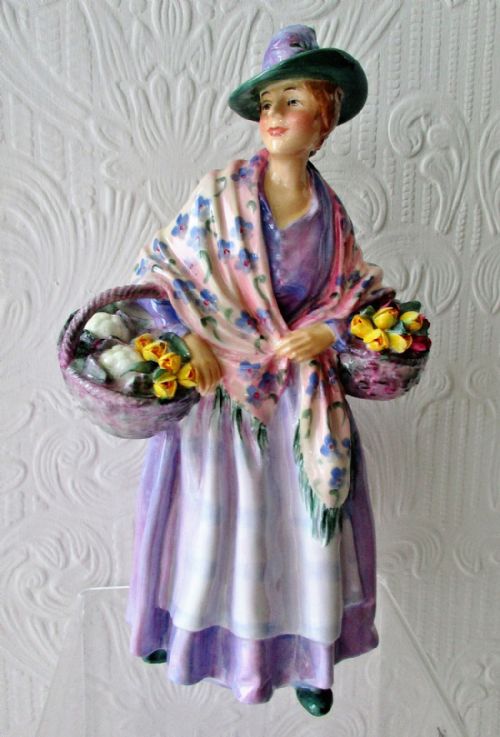
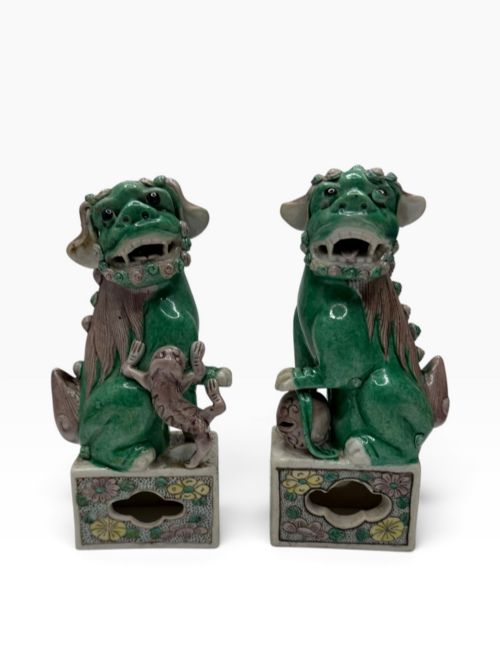
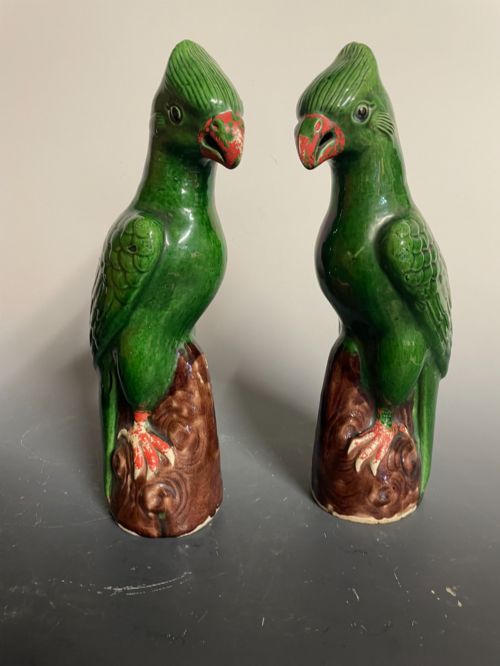
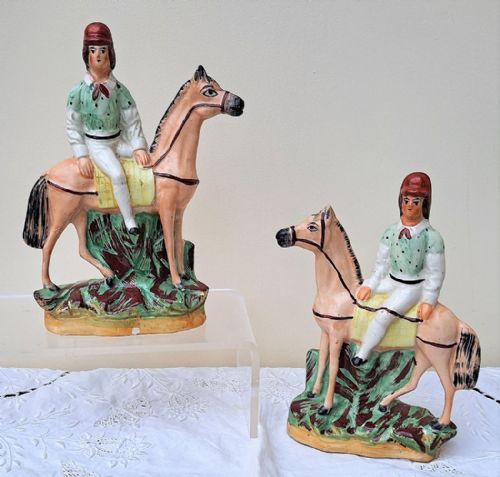
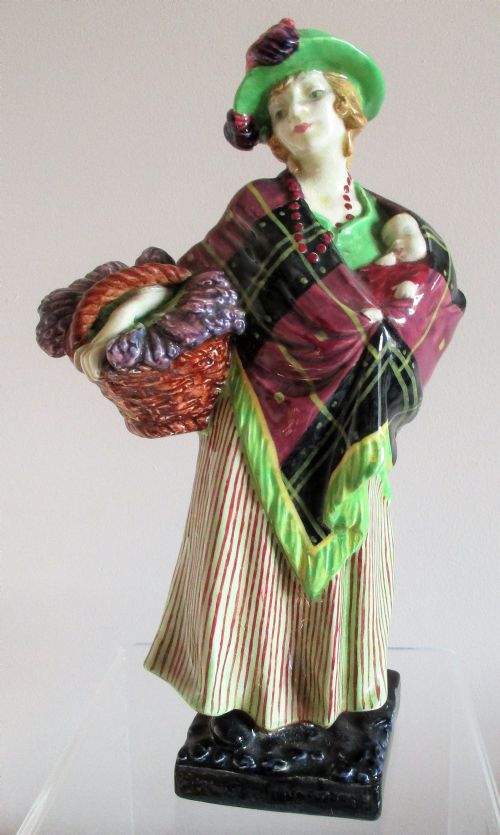
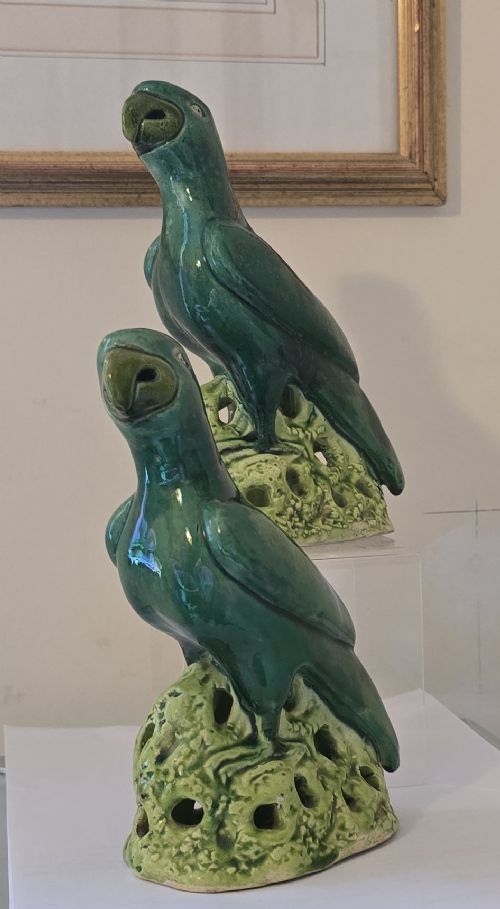
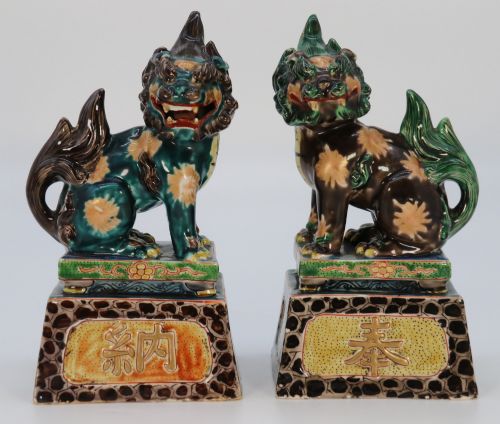
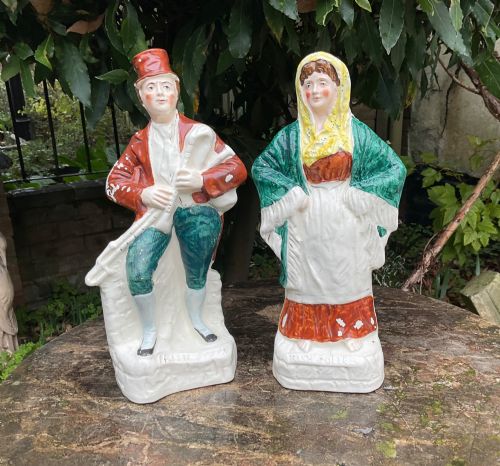
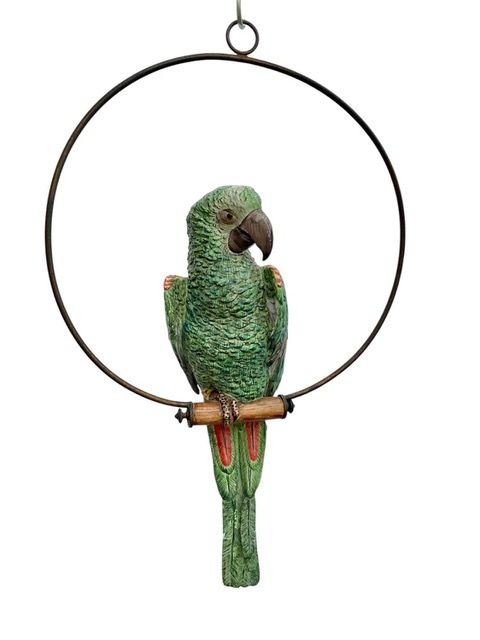
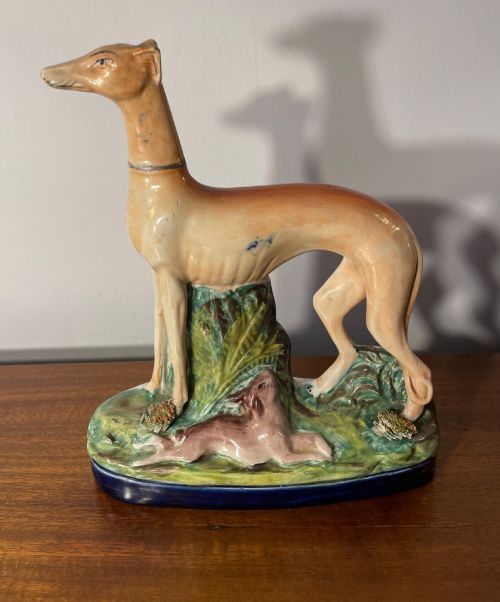
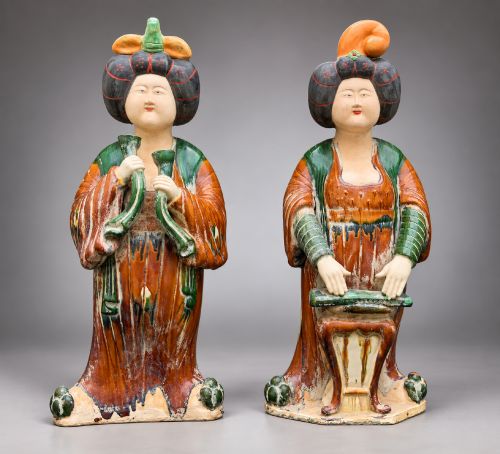
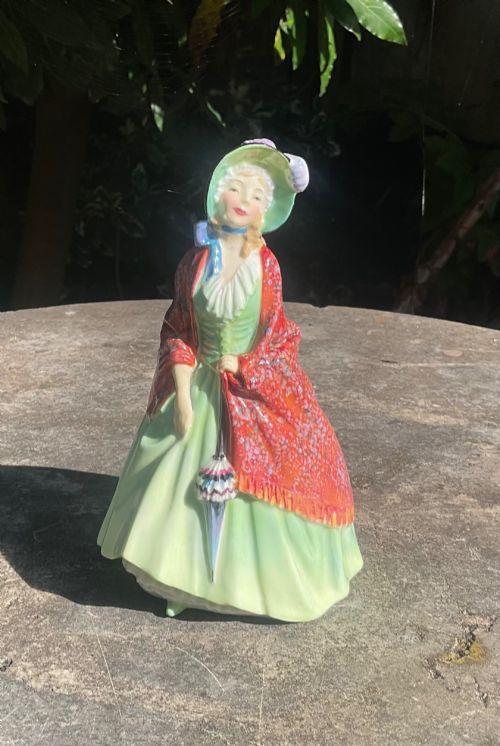
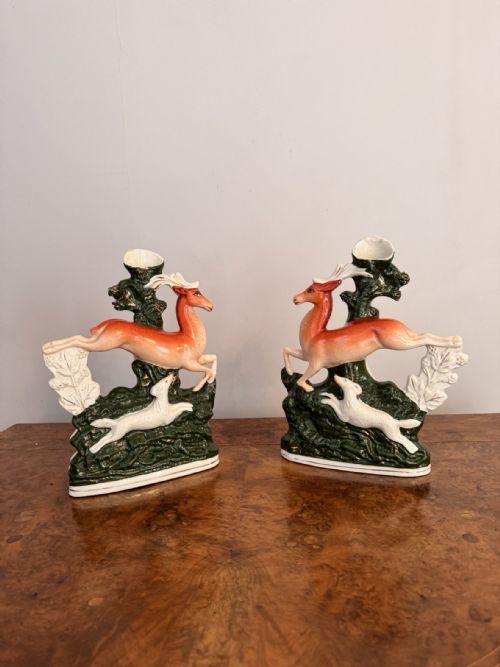
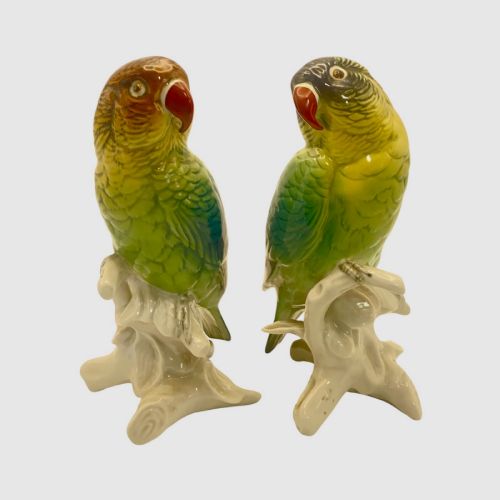
Green glazed ceramic figures encompass a broad sweep of decorative objects, from English Staffordshire pottery animals and Victorian spill vases to Chinese porcelain parrots and lion dogs. You will frequently encounter pairs of birds, lions and human subjects modelled in earthenware or porcelain across this selection.
The objects stretch chronologically from the eighteenth century through nineteenth-century Victorian pieces into the Art Deco era and twentieth-century studios. Makers from English potteries, continental European factories and Asian kilns contribute distinct regional interpretations to the category.
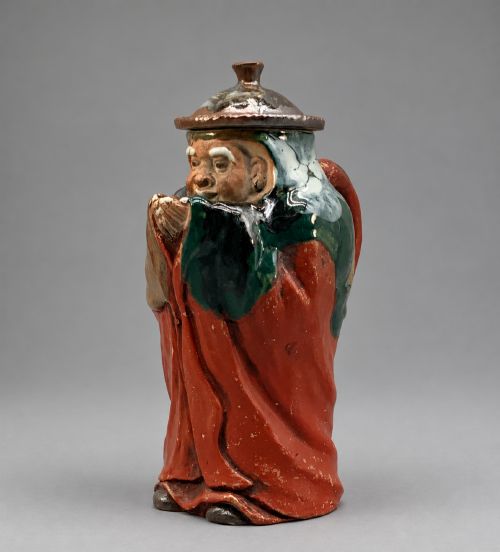
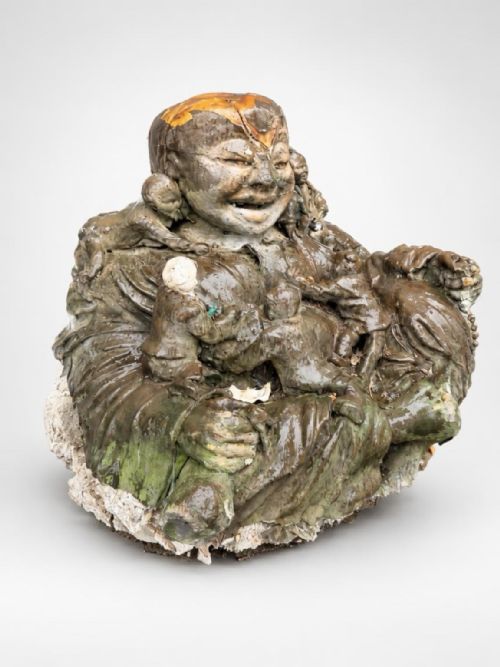
Forms range from freestanding figurines and decorative ornaments to functional items such as spill vases, lidded jugs and incense holders. Animal subjects include parakeets, ducks, sheep, hounds and Buddhist lions alongside human figures representing musicians, workers and historical characters.
How they were made
Potters shaped these pieces using earthenware, stoneware, pearlware or porcelain bodies, often employing moulds for Staffordshire and European figures or hand-modelling for Asian pottery and studio ceramics. Lead glazes, tin glazes and sancai glazes provide the characteristic green surface colour, sometimes combined with enamel details or lustre highlights.
Firing techniques varied from low-temperature earthenware kilns used for traditional Staffordshire pottery to high-fire porcelain production in China and Japan. Surface decoration relied on liquid glaze applications that pooled in crevices to create tonal variations in the green colouration.
Green Glazed Ceramic Figures Retail Price Guide 2026
Typical asking prices for green glazed ceramic figures among the pieces listed under this phrase on Sellingantiques today, from the lower quarter to the upper quarter. They describe what is for sale here now, not the wider market.
The selection includes animal sculptures, spill vases, lidded jugs and human figurines originating from English, European and Asian workshops.
What varies in quality
Signatures, impressed registry marks and established factory attributions elevate the standing of a figure, connecting it to known modellers or kilns. The integrity of the ceramic body and the preservation of original enamel or glaze surfaces maintain the visual strength of the piece.
Royal Doulton·Karl Ens·Meissen·Inoue Ryosai·Charles Vyse·Royal Dux·Mabel Lucie Attwell Shelley
The Green Glazed Ceramic Figures Glossary
- Earthenware
- A porous pottery body fired at lower temperatures, commonly used for traditional English Staffordshire figures before being glazed.
- Sancai
- A three-colour glaze tradition associated with Chinese pottery, frequently incorporating green, amber and cream tones on figures and vessels.
- Spill vase
- A hollow figurine incorporating an attached holder designed to store wooden spills used for lighting fires or candles.
- Pearlware
- A refined form of earthenware developed in the eighteenth century featuring a delicate bluish glaze that pools in recesses.
- Famille verte
- A Chinese porcelain palette dominated by green enamel colours, often applied to figures and decorative vessels.
Green Glazed Ceramic Figures: Frequently Asked Questions
What animals appear in these figures?
Makers modelled a wide variety of creatures including parakeets, parrots, ducks, sheep, hounds, deer and exotic subjects like Buddhist lions. These animals often served as decorative mantel ornaments or paired bookends.
Pairs of birds and lions predominate in Asian porcelain and Staffordshire earthenware, reflecting popular domestic decorative tastes of the nineteenth and early twentieth centuries.
How do I care for glazed ceramic figures?
Keep ceramic figures out of direct sunlight to prevent any painted enamel details from fading over time. Dust them gently with a soft, dry brush.
Avoid using water or liquid cleaners, particularly on antique earthenware or pieces with delicate overglaze enamels, as moisture can penetrate porous ceramic bodies.
What is a spill vase figure?
A spill vase is a hollow cylindrical tube attached beside a sculpted animal or human figure, designed to hold thin wooden splints used for transferring flames from a hearth.
Victorian Staffordshire potteries frequently produced these dual-purpose items to combine decorative table display with a practical household accessory.
How are different periods distinguished?
Eighteenth and nineteenth-century pieces typically display heavier earthenware bodies with hand-painted or lead-glazed surfaces, while twentieth-century examples often feature refined porcelain or distinct Art Deco styling.
Examining the underside, glaze characteristics, factory marks and stylistic conventions helps place an object within its correct manufacturing era.