


Green Glaze Pottery Vase
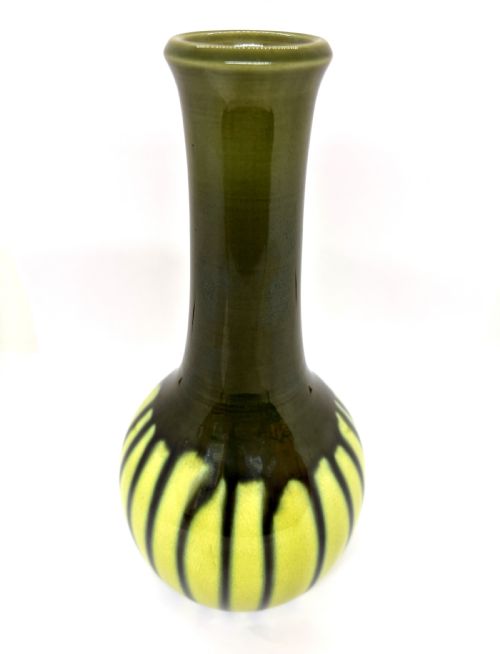
When you search for a green glaze pottery vase, you are looking at earthenware, stoneware and ceramic vessels finished in rich botanical and lustrous tones.
Green Glaze Pottery Vase
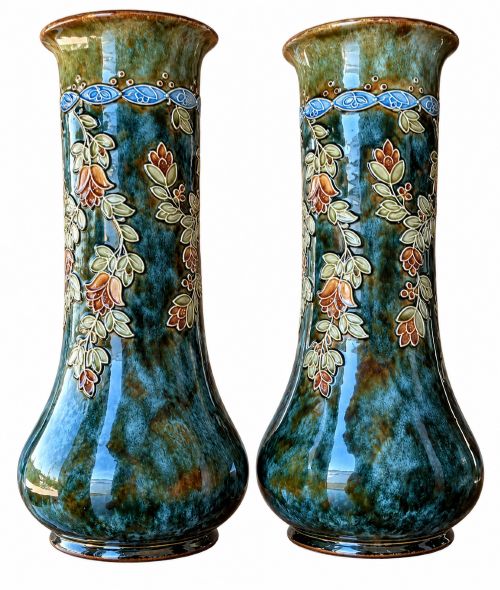
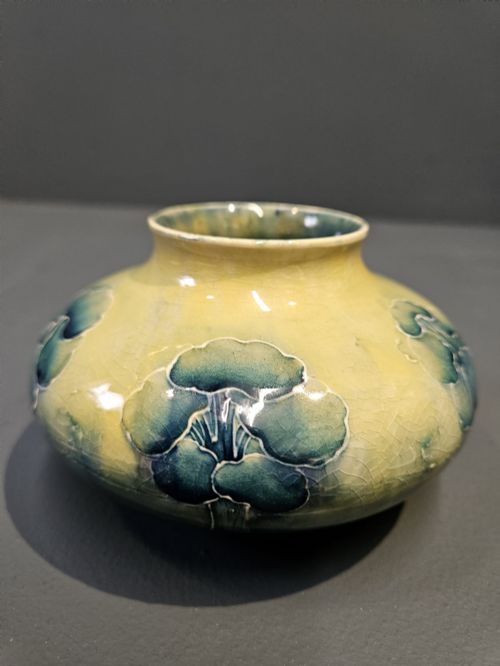
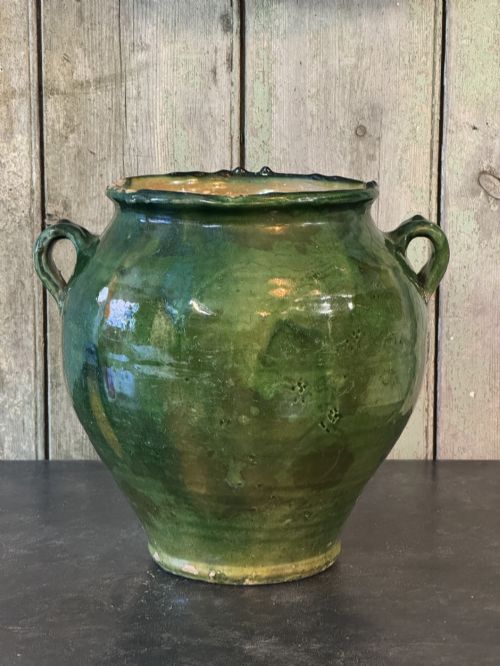
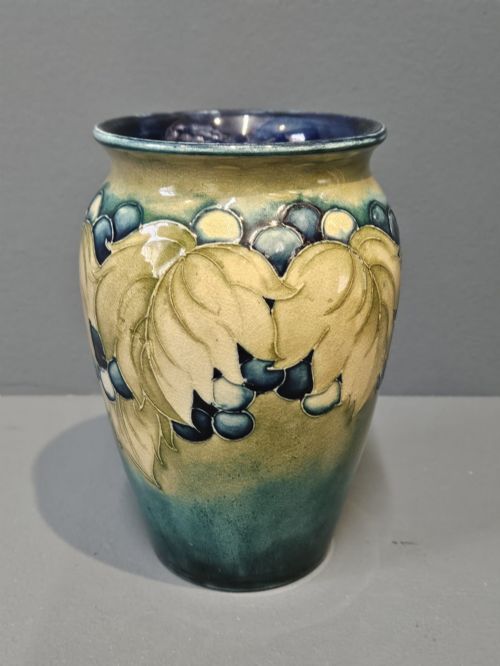
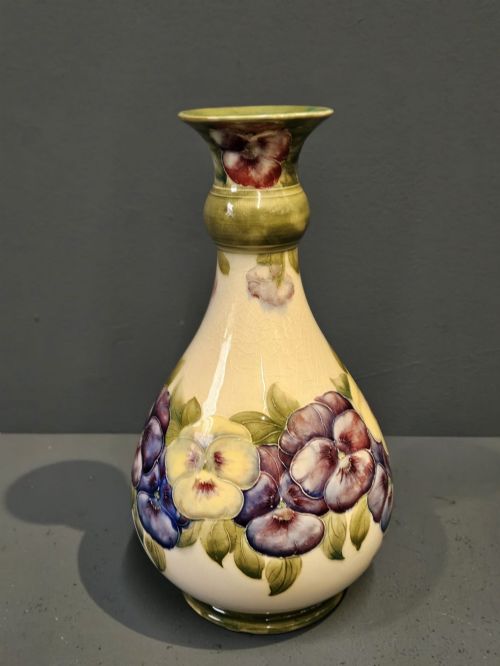
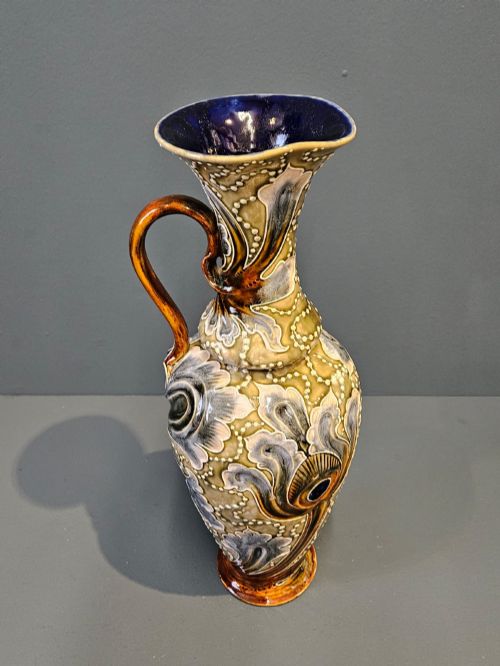
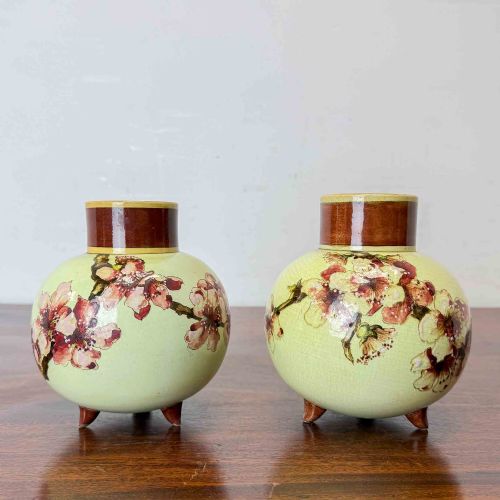
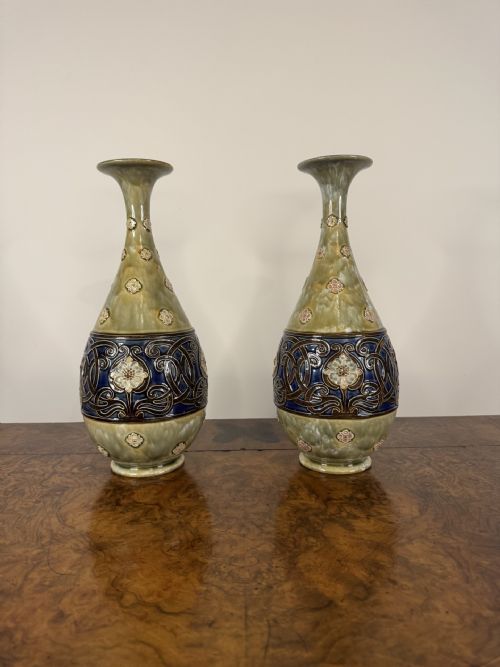
A green glaze pottery vase encompasses a wide variety of nineteenth and early twentieth-century decorative vessels, including spill vases, confit pots, ewers and studio pottery pieces. The selection on this page leans heavily toward Victorian, Edwardian and Art Nouveau examples, featuring notable output from British potteries like Royal Doulton and Moorcroft alongside continental and Asian works.
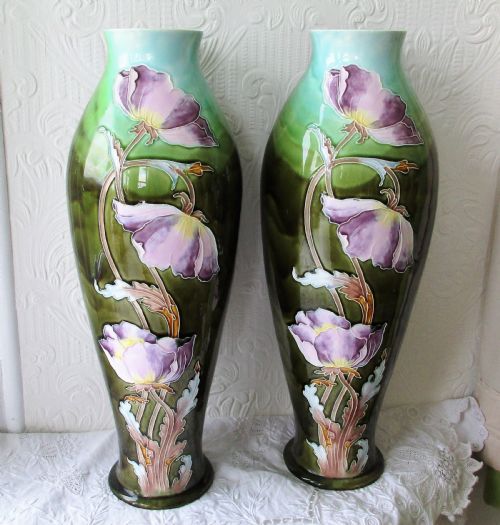
Buyers will find everything from monumental pairs of stoneware baluster vases to small earthenware spill vases modelled with figures or animals. Many pieces display the distinctive fluid lines and organic motifs associated with the Arts and Crafts and Aesthetic movements.
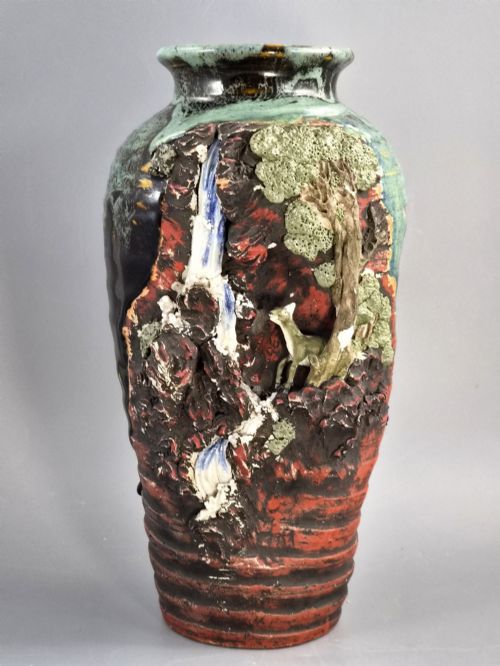
Forms range from simple globular jars and bottle vases to elaborate sculptural landscapes and majolica pieces. The unifying element across these diverse origins is the application of green glazes, spanning deep celadon, bright majolica tones and rich lustre finishes.
How They Were Made
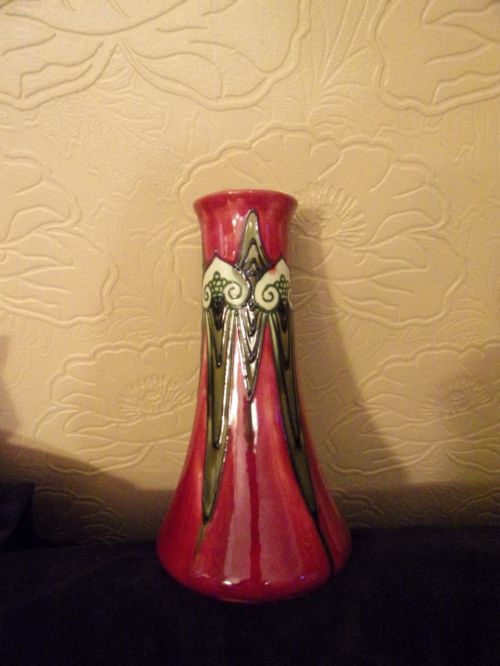
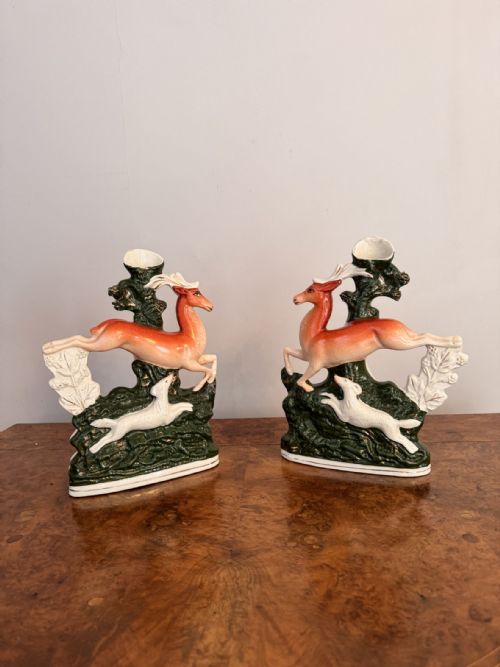
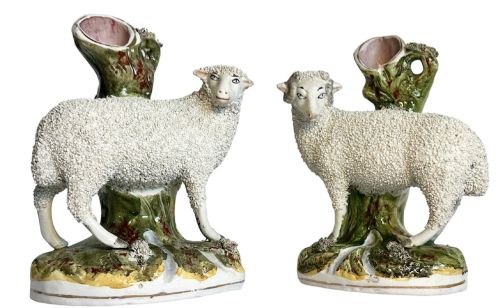
These pieces are constructed from earthenware, stoneware, terracotta and ceramic bodies, shaped either by hand or thrown on a potter's wheel before firing. Many incorporate moulded relief decoration, such as the tube-lined designs seen on secessionist pottery or the detailed figures on Staffordshire spill vases.
The characteristic green surface is achieved through specialised glazes, including celadon, tea dust, Persian lustre and fully glazed earthenware finishes. Kiln temperatures and glaze chemistry dictated the final depth and texture of the green coloration, from smooth glossy surfaces to crackled or crystalline effects.
Several sheep and deer quietly populate the collection, serving as nineteenth-century spill vases.
What Varies in Quality
Quality in these vessels is defined by the crispness of the modelled form and the richness of the glaze application. Superior examples display even glaze distribution without unwanted pooling or dry patches, while inferior pieces often show flat or muddy colouration.
The skill of the decorator also sets pieces apart, particularly in hand-painted or tube-lined works where precision and depth of design elevate the object. Maker attribution and well-executed signatures or monograms further distinguish exceptional studio pottery from standard commercial output.
Royal Doulton·Moorcroft·Burmantoft's Pottery·Zsolnay Pecs·Makuzu Kozan·Ulisse Cantagalli·Sir Edmund Harry Elton·Royal Lancastrian
The Green Glaze Pottery Vase Glossary
- Earthenware
- Porous pottery fired at lower temperatures, typically requiring a glaze to render it waterproof. It forms the body of many nineteenth-century decorative vessels and spill vases.
- Stoneware
- A dense, hard pottery fired at high temperatures until vitrified, making it completely non-porous. It is frequently utilised in durable nineteenth-century baluster vases.
- Celadon
- A pale grey-green or green glaze originating in East Asia, prized for its jade-like appearance. It appears on various antique and period ceramic vessels.
- Spill Vase
- A small container traditionally kept on a mantelpiece to hold wooden spills used for lighting candles and fires. They often take figurative or botanical forms.
- Majolica
- A type of earthenware decorated with opaque coloured glazes over an absorbent white ground. It yields vibrant greens and rich surface textures on Victorian pieces.
Green Glaze Pottery Vase: Frequently Asked Questions
What is a spill vase?
A spill vase is a small upright vessel designed to hold thin wooden slips used for transferring flames from a hearth fire to candles or pipes.
Victorian examples often feature decorative figures, animals or floral motifs rendered in earthenware and pottery.
How do I identify Art Nouveau pottery?
Art Nouveau pottery is characterised by flowing organic lines, asymmetrical natural forms and stylized botanical motifs. Look for tube-lined floral designs and rich iridescent or monochrome green glazes.
Many pieces from this movement date from the late nineteenth and early twentieth centuries.
What is the difference between earthenware and stoneware?
Earthenware is fired at lower temperatures, leaving the clay porous unless sealed with an impermeable glaze. Stoneware is fired much hotter until the body vitrifies, making it dense, heavy and naturally waterproof.
Stoneware vessels often have a heavier, more robust feel.
Where were confit pots used?
Confit pots were utilitarian French kitchen vessels traditionally used for storing preserved meats and confits. They typically feature a glazed interior and upper section with an unglazed terracotta base.
Today they are collected for their rustic forms and rich green surface finishes.
How should I display a ceramic vase?
These vessels suit placement on sideboards, mantels and tables where their glaze and form can catch the light. Ensure they are kept away from edges where heavy traffic might cause accidental knocks.
Pairing different heights and glaze tones creates visual depth.