




Antique Ceramic Bird Vase
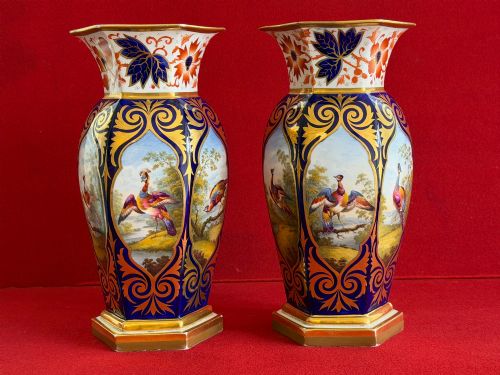
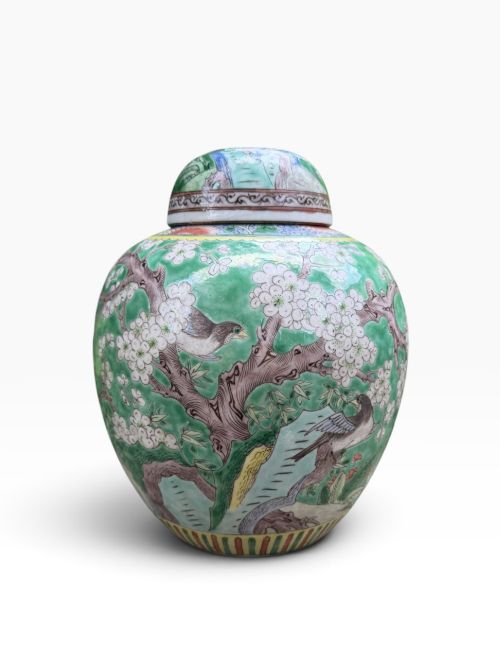
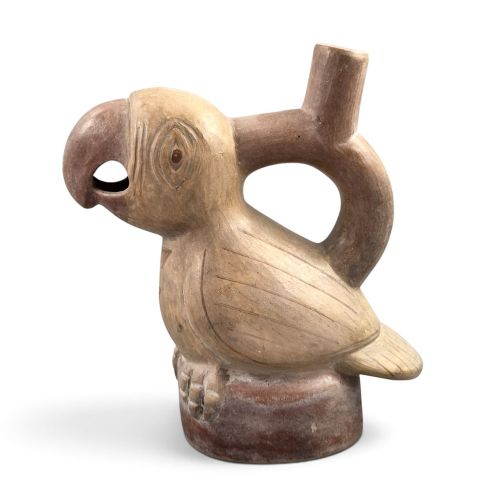
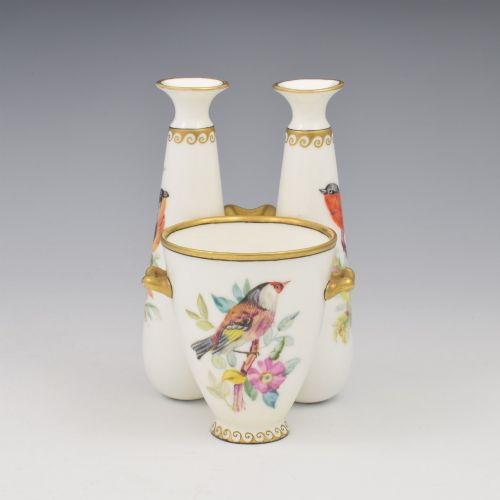
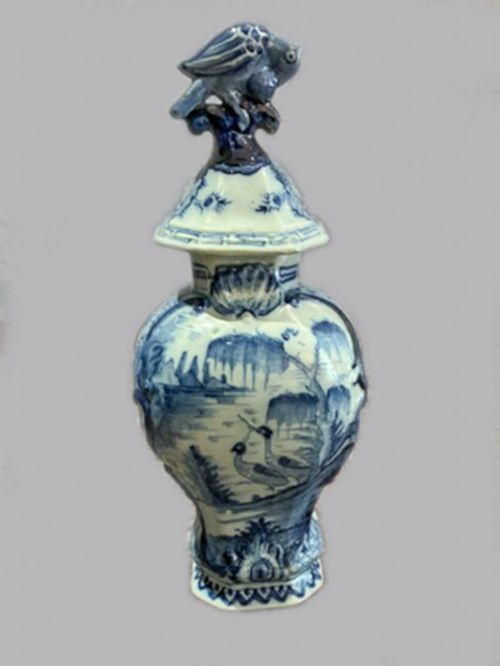
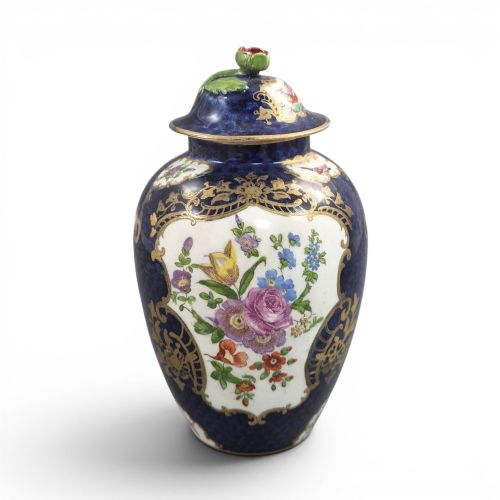
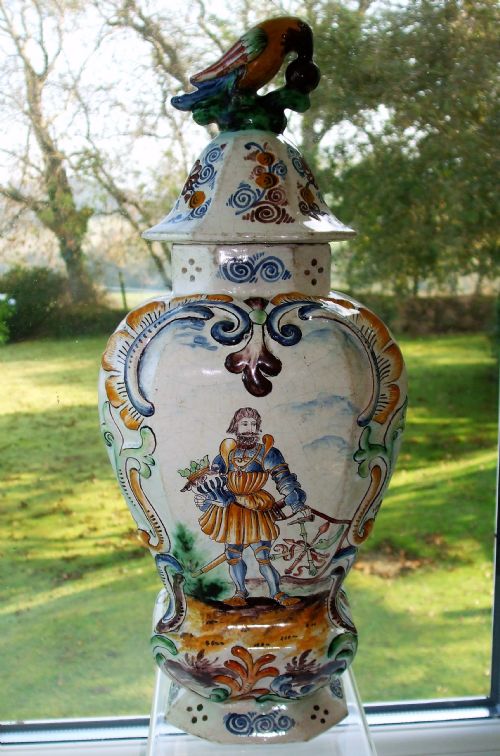
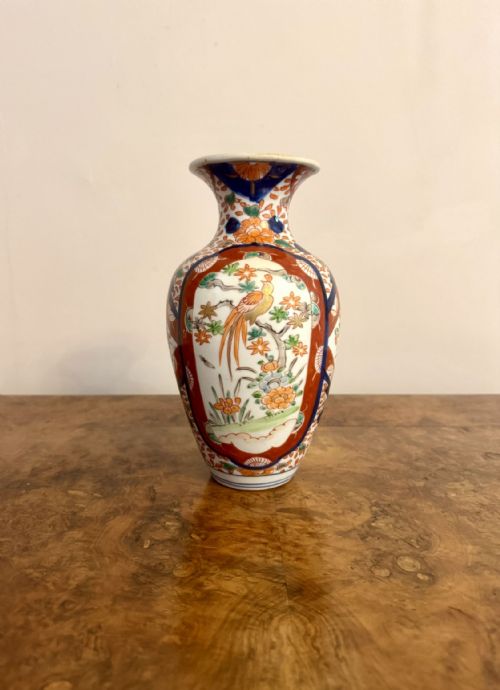
These antique ceramic bird vases bring painted avian motifs and sculptural pottery together across Georgian, Victorian, and Meiji periods.
Antique Ceramic Bird Vase
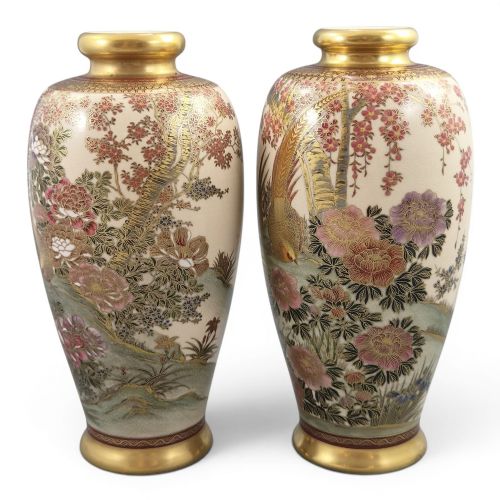
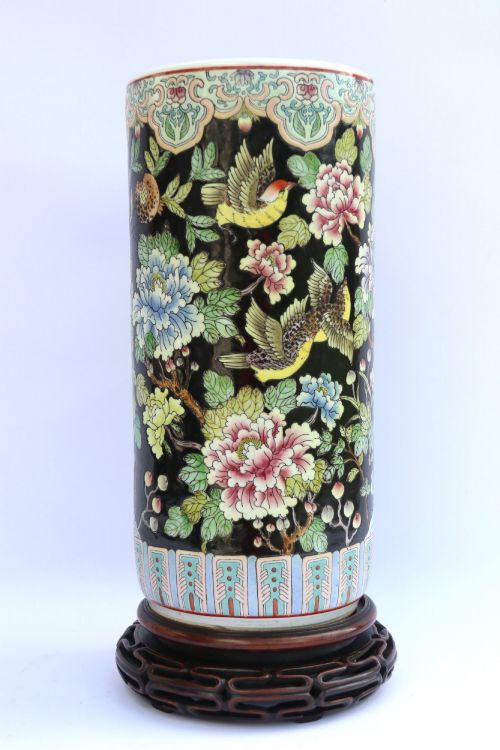
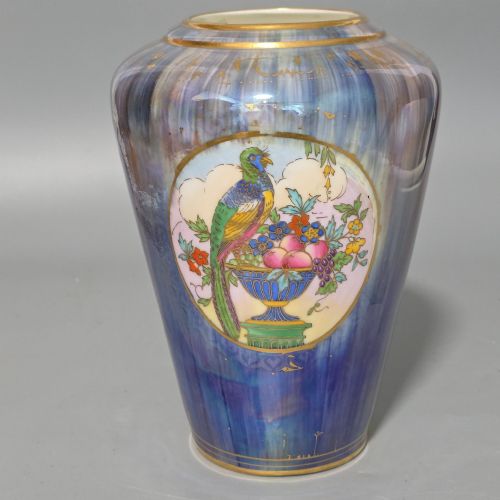
An antique ceramic bird vase serves as a vessel decorated with painted, enamelled, or modelled avian subjects, ranging from English porcelain garden birds to Japanese Satsuma waterfowl. Buyers exploring this selection encounter covered ginger jars, posy vases, and monumental pedestals spanning the seventeenth century to the early twentieth century.
English factories such as Worcester, Derby, and Minton populate the earlier periods alongside Dutch Delftware and Chinese export porcelain. Japanese studios from the Meiji and Taisho eras provide Satsuma, Kutani, and Seto works featuring intricate bird and flower compositions.
How they were made
Potters shaped these vessels from porcelain, earthenware, or ironstone, applying tin glazes, white enamel, or clear lead glazes before firing. Artisans then hand-painted subjects using polychrome enamel, cobalt blue, and occasional gold leaf or gilding.
Japanese makers added lacquer over paint on specific porcelain bodies, while European factories utilised transfer printing combined with delicate brushwork by named decorators.
Listings span eight distinct decades of production, incorporating English porcelain, Japanese earthenware, and Dutch Delftware.
What varies in quality
The standard of painting determines the desirability of each piece, distinguishing hurried factory output from the precise brushwork of recorded artists. Hand-enamelled plumage, detailed facial expressions, and finely rendered backgrounds separate standard utility wares from exhibition-quality productions.
The crispness of the porcelain body, the complexity of the moulding - such as frilled edges or applied handles - and the preservation of original gilding and enamel colours dictate the standing of individual vessels.
Flight Barr And Barr·Royal Worcester·Makuzu Kozan·Doulton Lambeth
The Antique Ceramic Bird Vase Glossary
- Tin-Glazed Earthenware
- Pottery covered with an opaque white tin glaze that accepts painted cobalt and enamel colours directly. This technique defines traditional Delftware vessels.
- Satsuma
- Japanese earthenware pottery featuring a crackle-glaze ivory body decorated with elaborate enamels and gilding. These pieces often depict birds, flowers, and historical scenes.
- Ironstone
- A dense, durable ceramic body patented in the nineteenth century to imitate porcelain. It provides a robust ground for transfer-printed and hand-painted exotic bird motifs.
- Famille Rose
- A Chinese porcelain palette dominated by opaque pink enamel introduced during the Qing dynasty. Bird and flower designs frequently utilise these soft rose tones alongside greens and yellows.
- Jardiniere
- A large ceramic vessel designed to hold a potted plant rather than cut flowers. Examples often match the decorative schemes of contemporary mantel vases.
Antique Ceramic Bird Vase: Frequently Asked Questions
How do I clean a painted bird vase safely?
Dust these ceramic surfaces gently with a dry, soft microfibre cloth to protect delicate overglaze enamels and gold leaf from abrasion.
Avoid immersing antique vessels in water, particularly those with low-fired earthenware bodies or lacquer over-paint.
Are these vases suitable for holding fresh water?
Many historical vessels, especially porous earthenware and tin-glazed pieces, function best as decorative display items rather than functional flower holders.
Earthenware bodies can absorb moisture over time, which risks damaging fragile glazes and historical repairs.
How can I distinguish Japanese Satsuma from Chinese porcelain?
Satsuma wares typically possess a characteristic fine crackle glaze over a buff earthenware body, combined with dense gold detailing. Chinese porcelain exhibits a whiter, denser vitreous body with underglaze blue or translucent famille enamels.
What indicates a studio ceramic rather than a factory piece?
Studio pottery often bears individual artist signatures, painted monograms, or workshop marks rather than standard mass-produced factory stamps.
These works show distinctive throwing ridges and experimental glazes unique to the maker.