


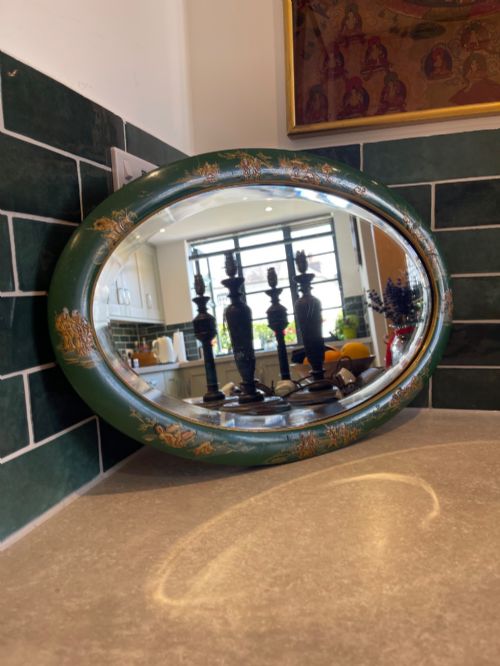
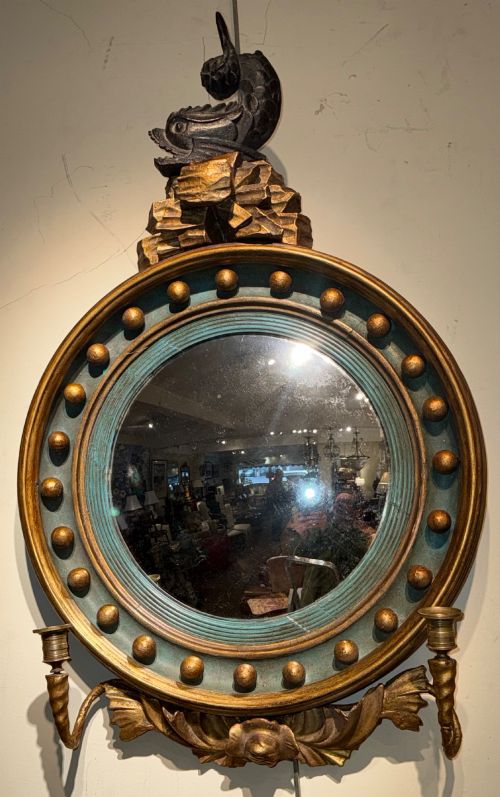


Green Gilt Wall Mirror
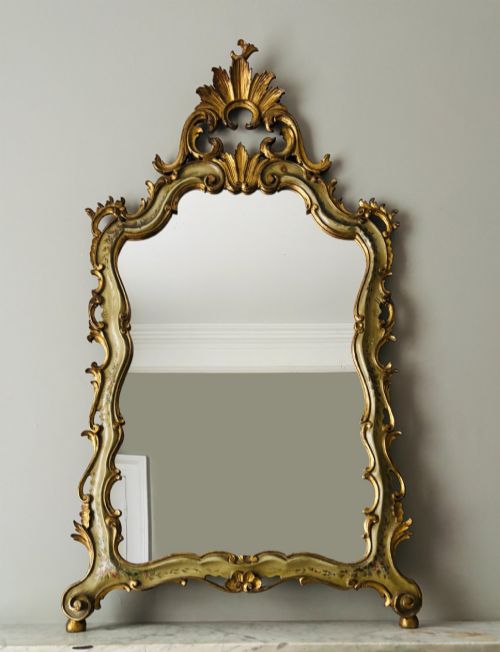
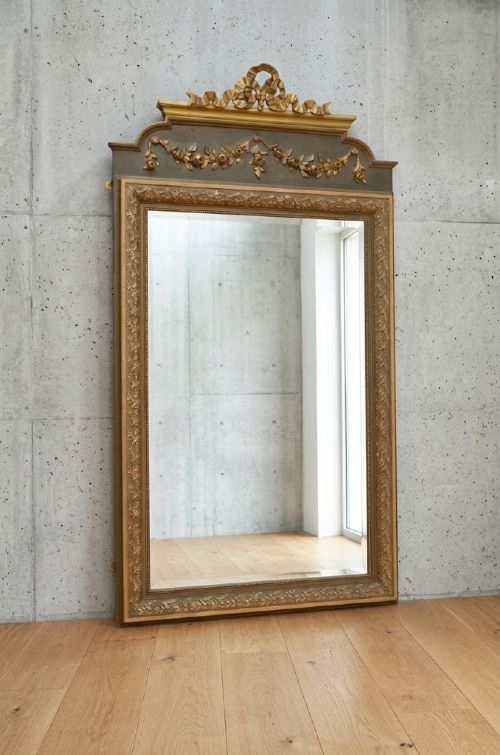
These green gilt wall mirrors combine painted timber surfaces with gilded enrichment, offering decorative presence for period interiors.
Green Gilt Wall Mirror
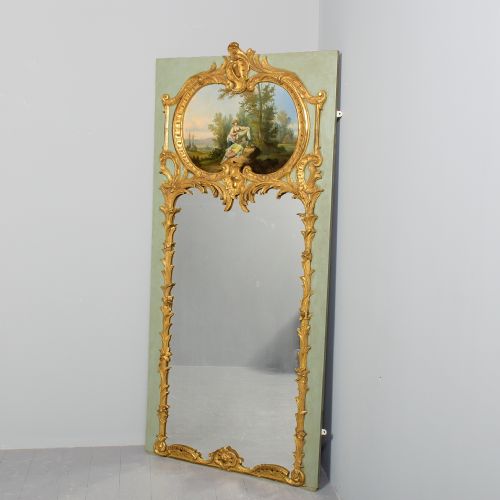
A green gilt wall mirror brings together painted green wooden surfaces and bright gold leaf highlights, creating a distinctive colour contrast that suits traditional and eclectic rooms alike. When buyers search for a green gilt wall mirror, they encounter various historical forms ranging from French trumeau and overmantel pieces to smaller painted wall hangings.
The pieces listed span multiple eras, including the eighteenth century, the Regency period, the nineteenth century, and the early twentieth century. Trumeau mirrors, pier mirrors, and overmantel formats dominate the selections, frequently displaying continental influences such as Louis XV Rococo and Neoclassical styles.
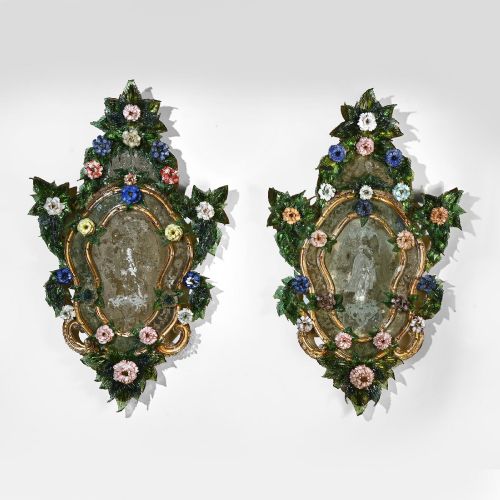
Venetian production also appears alongside French and English examples, introducing variations in glass and carved woodwork. Buyers are most likely to meet nineteenth-century painted and gilded frames or early twentieth-century interpretations featuring decorative crests.
Materials and construction methods
Makers constructed these frames primarily from wood, applying layered gesso to prepare surfaces for carving and gilding. Artisans laid thin sheets of gold leaf over bole onto the gesso ground, burnishing the metal to achieve a reflective shine beside the painted green finish.
Paint finishes range from simple oil colours on plain timber to nuanced faux marble effects and delicate Chinoiserie motifs. Mirror glass is set within the rebates, secured from behind, and occasionally replaced or retained in its original silvered state depending on age.
Green Gilt Wall Mirror Retail Price Guide 2026
Typical asking prices for green gilt wall mirror among the pieces listed under this phrase on Sellingantiques today, from the lower quarter to the upper quarter. They describe what is for sale here now, not the wider market.
Materials across these listings include wood, painted wood, gesso, giltwood, gold leaf, and mirror glass.
Assessing quality in execution
Quality rests upon the crispness of the carved wooden ornament and the depth of the gilding preparation beneath the gold leaf. Hand-carved gesso details display organic variation and sharpness that distinguish superior workshops from later mass-produced alternatives.
The harmony between the painted green ground and the gilded accents dictates visual success, with subtle distressing and patination marking genuine age. Original mirror plates exhibiting foxing and oxidation also elevate the character of the piece.
The Green Gilt Wall Mirror Glossary
- Gesso
- A plaster mixture applied to wood frames to create a smooth surface for carving and gilding. This foundation is essential for holding fine detail before gold leaf application.
- Trumeau mirror
- A decorative mirror designed to fit a specific wall pier or above a mantelpiece, often incorporating a painted panel or artwork above the glass. These originate largely from French interior design traditions.
- Giltwood
- Timber carved and subsequently covered with gold leaf. It forms the primary gleaming trim on these combined green and gold frames.
- Pier mirror
- A tall, narrow glass made to hang on the wall space between windows. They reflect additional light into darker rooms.
- Chinoiserie
- European artistic styles reflecting Chinese motifs and decorative scenes. These designs often appear on painted panels within eighteenth and twentieth-century mirrors.
Green Gilt Wall Mirror: Frequently Asked Questions
Where should I hang a green gilt wall mirror?
These mirrors suit placement above mantelpieces, console tables, or drawing-room fireplaces where their reflection opens up the spatial depth of a room.
They also function effectively between windows as pier mirrors to bounce natural light across the floor.
Are the mirror plates original?
Many older pieces retain their original glass, which can display signs of age such as minor foxing and dark spots.
Replacement plates occasionally appear in pieces that have undergone historical restoration to maintain functional reflection.
What styles do these green and gold mirrors follow?
The selections encompass Regency, Neoclassical, and Louis XV Rococo aesthetics, alongside simpler painted folk or gypsy styles.
French and Venetian origins account for many of the ornate carved crests and painted trumeau panels.