


Green Enamel Wall Charger
A green enamel wall charger brings rich metallic colour and intricate birds, dragons or landscapes directly to your interior walls.
Green Enamel Wall Charger
A green enamel wall charger is a large decorative plate or charger designed specifically for vertical display. When you search for green enamel wall charger, you encounter Japanese cloisonne enamel pieces from the Meiji period alongside porcelain examples from earlier centuries.
The Meiji period iterations dominate the selection, featuring detailed wiring and vivid green enamel grounds populated by phoenixes, owls, dragons and shrimp. These substantial vessels were created to showcase advanced metalwork and ceramic artistry on living room or dining room walls.
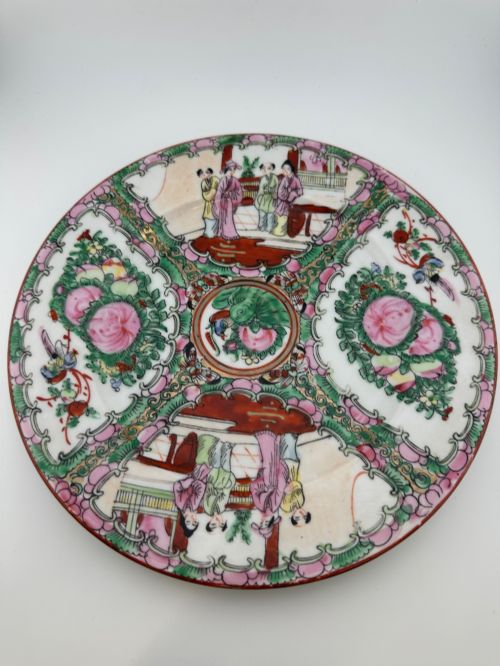
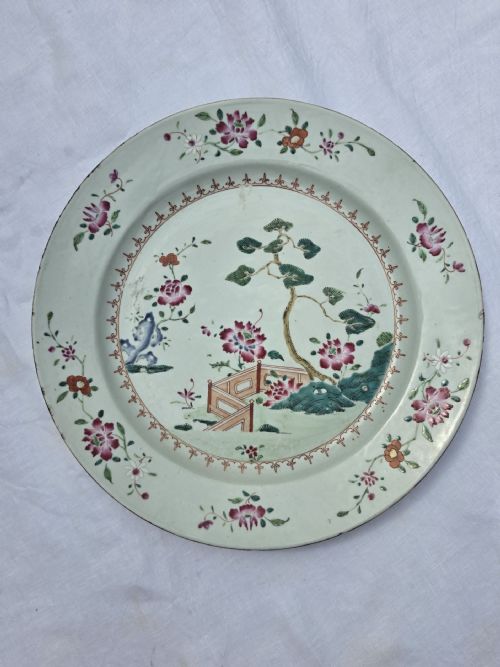
Earlier Chinese export porcelain and Japanese Arita dishes also appear, offering alternative interpretations of large wall plates with painted glaze. Each piece functions as a focal point, combining traditional craftsmanship with robust wall-hanging formats.
Materials and construction
Makers formed these chargers using a foundation of copper or porcelain, applying vitreous enamel paste into wire cells or painting directly onto the ceramic body. Copper vessels utilise fine metal wires soldered to the metal base to create compartments for the green enamel glaze.
Firing the piece at high temperatures vitrified the enamel powders into a smooth, glossy surface that resisted tarnishing and held deep colour. Artisans then polished the metal wires and surface until the entire plate achieved a uniform sheen.
The listings feature materials including copper, brass, hard-paste porcelain, cloisonne enamel and enamel glaze across multiple centuries.
Evaluating quality and execution
Quality rests in the precision of the wirework and the depth of the green enamel ground. Finer examples display immaculate cell boundaries and complex pictorial subjects like Mount Fuji or samurai figures without pitting in the glaze.
The intricacy of the subject matter and the presence of artist signatures distinguish standard decorative plates from masterworks. Heavier copper foundations and crisper rendering of feathers or scales elevate the overall execution.
The Green Enamel Wall Charger Glossary
- Cloisonne enamel
- A metalwork technique where fine wires form compartments to hold coloured enamel paste. This method creates detailed pictorial designs on a copper base.
- Charger
- A large ornamental plate used traditionally for ceremonial purposes or wall display. These pieces measure significantly larger than standard dining plates.
- Meiji period
- An era of Japanese history lasting from 1868 to 1912 noted for exceptional metalwork and enamel production. Pieces from this time frequently feature natural motifs and intricate wirework.
- Totai shippo
- A type of Japanese cloisonne created on a porcelain body rather than solid copper. This technique combines ceramic forms with metallic cell decoration.
- Famille rose
- A palette of Chinese porcelain enamels dominated by opaque pink and green hues. This style dates back to the Qing dynasty and Qianlong periods.
Green Enamel Wall Charger: Frequently Asked Questions
How do I hang a wall charger safely?
Display these heavy pieces using professional plate hangers equipped with rubber tips to protect the edges.
Ensure the wall fixing anchors directly into a stud or uses heavy-duty wall plugs capable of supporting the weight of copper and enamel.
What periods are available for these chargers?
The listings span from the late seventeenth century through the late Meiji period around 1910.
Nineteenth-century Japanese cloisonne forms the majority of the selection alongside eighteenth-century Chinese export porcelain.
How should I clean my enamel charger?
Dust the surface gently with a soft, dry microfibre cloth to remove everyday particles.
Avoid liquid cleaners, abrasives or chemical polishes, as these can damage the delicate enamel glaze and exposed metal wires.
What motifs appear on these pieces?
Common subjects include ho-o birds, dragons, owls, Mount Fuji, bamboo and samurai figures.
These traditional Japanese and Chinese designs are rendered in wired enamel or hand-painted porcelain glazes.