


Green Enamel Porcelain
Green enamel porcelain combines durable ceramic bodies with vibrant overglaze mineral pigments, offering collectors a rich palette spanning centuries of Asian and European craftsmanship.
Green Enamel Porcelain
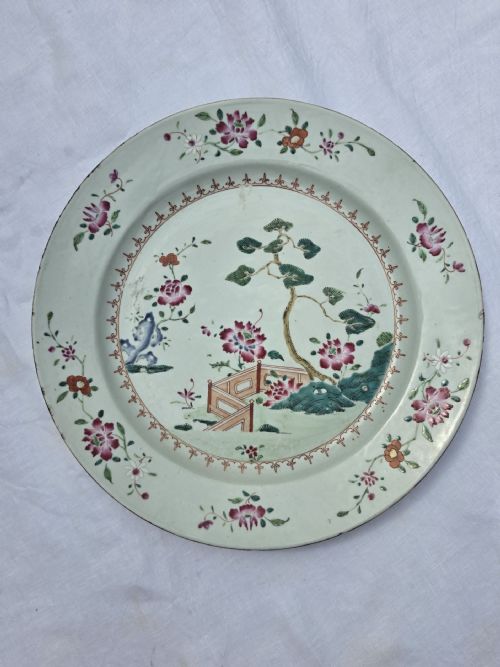
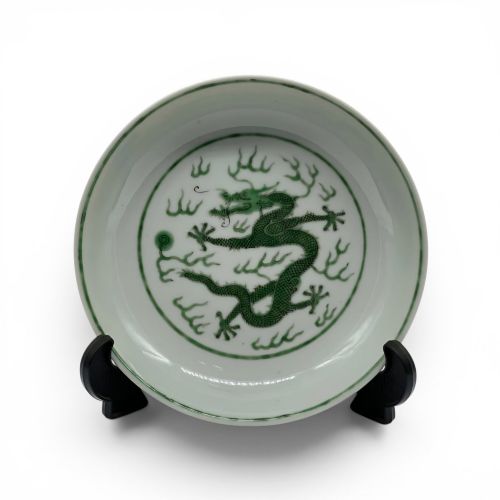
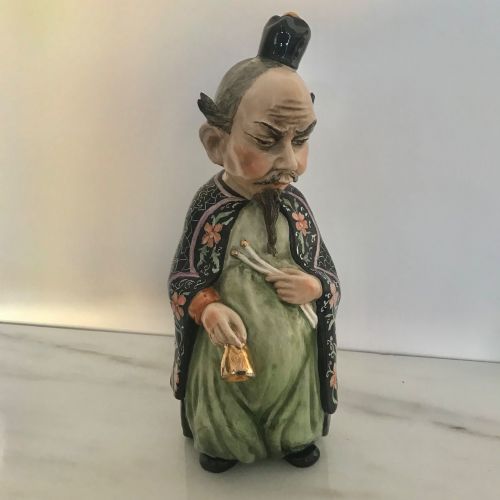
Green enamel porcelain pieces encompass functional tableware, decorative vessels, and intricate figurines created across diverse historical periods. When searching for green enamel porcelain, collectors frequently encounter vibrant Chinese export ceramics alongside Japanese and European wares.
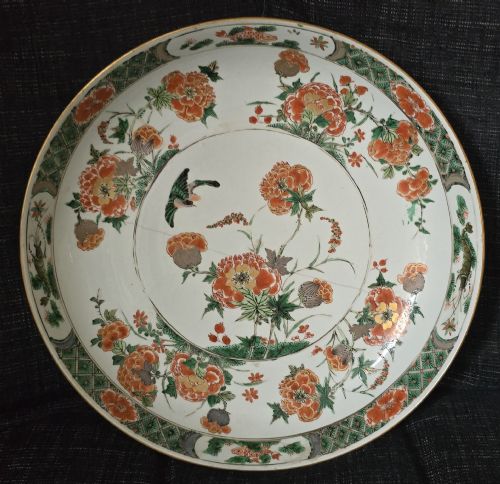
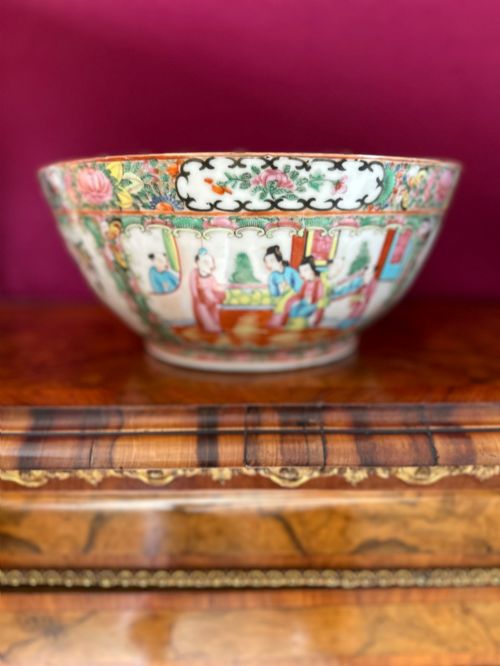
The selection ranges from 17th-century dishes decorated with complex motifs to 19th-century Canton bowls and vases. Many examples showcase traditional Asian styles such as Qing Dynasty designs and Edo period aesthetics.
Objects vary significantly in form, including chargers, baluster vases, pedestal dishes, and small trinket boxes. Each piece demonstrates how makers utilised green mineral pigments alongside contrasting colours like iron red and gold.
Materials and production methods
Hard-paste porcelain forms the structural foundation for these objects, providing a dense and durable white body. Artisans then applied colourful overglaze enamels directly onto the fired ceramic surface.
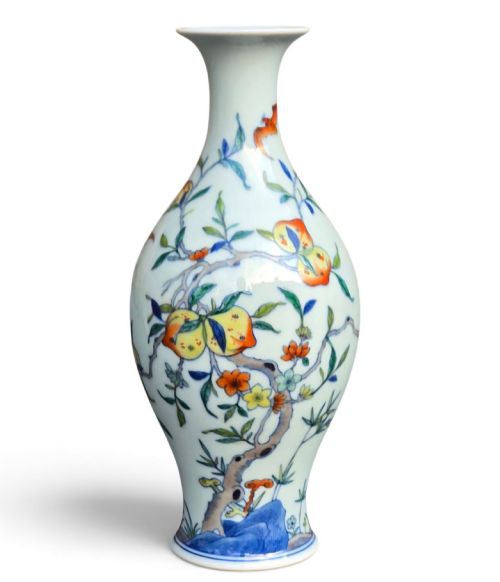
Gilding, gold leaf, and gilt bronze mounts frequently accent the painted surfaces, adding metallic contrast to the green enamel. Some advanced works incorporate underglaze blue elements combined with contrasting overglaze red and green pigments.
Object forms include baluster vases, porcelain chargers, figurines, and lidded jars decorated with gilt bronze mounts.
Evaluating craftsmanship and detail
Quality rests upon the precision of the hand-painted decoration and the vibrancy of the enamel glaze. Superior items display crisp outlines, controlled brushwork, and harmonious integration of green enamel with secondary colours.
The sophistication of the underlying porcelain body and the complexity of the design shape overall merit. Finer pieces demonstrate careful kiln execution and balanced composition across challenging forms such as vases and large chargers.
Richard Chaffers·Flight Barr And Barr·Royal Dux·Minton
The Green Enamel Porcelain Glossary
- Overglaze enamel
- Pigments applied to a previously fired and glazed ceramic surface before undergoing a second, lower-temperature firing. This technique allows for a broad palette of bright colours including vibrant greens.
- Famille verte
- A French term denoting a green-dominated palette of overglaze enamels popular in Chinese ceramics. It relies heavily on translucent green hues combined with iron red, blue, yellow, and black.
- Doucai
- A Chinese porcelain technique featuring underglaze blue outlines filled in with contrasting overglaze enamels. The method creates a distinct outlined effect visible on decorated bowls and jars.
- Hard-paste porcelain
- A true ceramic composition fired at very high temperatures using kaolin and petuntse. This creates a dense, non-porous body that resists scratching and supports intricate enamelling.
Green Enamel Porcelain: Frequently Asked Questions
How do I identify green enamel porcelain?
Look closely at the surface decoration to spot vitreous mineral pigments sitting distinctly on top of the smooth ceramic glaze rather than sinking beneath it. These green enamels often display a characteristic glossy sheen and distinct brush texture under magnification.
Examine the base of the vessel for reign marks, factory stamps, or characteristic foot ring traits. Comparing the stylistic motifs against known periods helps confirm whether a piece originates from Qing Dynasty workshops or later European kilns.
What is the difference between famille verte and famille rose?
Famille verte relies primarily on a vibrant spectrum of green enamel tones accompanied by iron red, black, and yellow accents. This palette dominates earlier Qing Dynasty and 17th-century decorative pieces.
Famille rose introduces an opaque pink or purple enamel derived from colloidal gold, which softened the overall colour scheme. This pink pigment became widely utilised in Chinese export porcelain from the 18th century onward.
How were these porcelain pieces originally used?
Many large chargers, baluster vases, and punch bowls served as prestigious display items in European and Asian interiors. Wealthy households utilised them to showcase global trade connections and refined taste during formal gatherings.
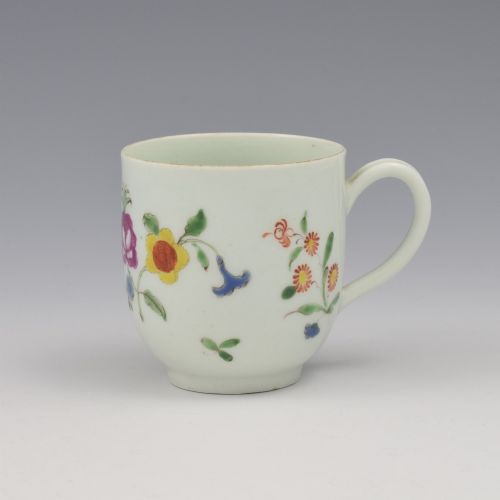
Smaller items like trinket boxes, snuff bottles, and cups fulfilled practical daily functions for storing personal valuables or consuming beverages. Their decorative surfaces transformed everyday objects into portable works of art.
How should I care for antique enamel porcelain?
Clean these delicate surfaces exclusively by hand using lukewarm water and a mild, non-abrasive detergent when necessary. Avoid harsh scrubbing or soaking, as overglaze enamels can degrade or chip over long periods.
Display the pieces away from direct sunlight to prevent fading in sensitive pigments like iron red and green enamel. Ensure stable shelving conditions to protect fragile porcelain bodies and gilt bronze mounts from accidental impacts.