



Green Enamel Dish
These pieces known as a green enamel dish bring striking colour and intricate hand-painted detail to a room, offering both historical depth and visual presence.
Green Enamel Dish
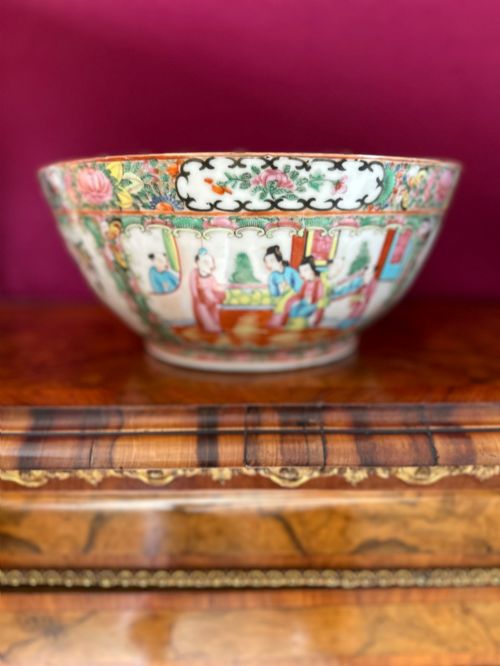
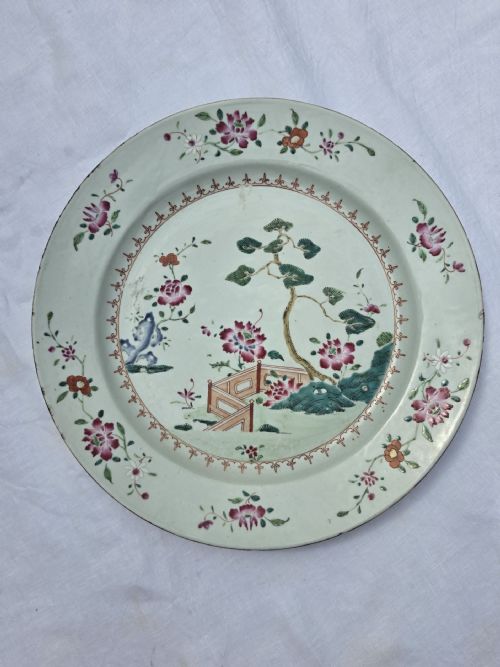
A green enamel dish encompasses a diverse selection of decorative wares originating from Chinese export workshops, Japanese Meiji and Edo periods, and 19th-century European makers. Buyers searching this phrase encounter chargers, bowls, plates, and trinket boxes fashioned from porcelain, copper, brass, glass, and hard-paste porcelain. The selection leans heavily towards Asian ceramics and metalwork alongside Victorian glass pieces.
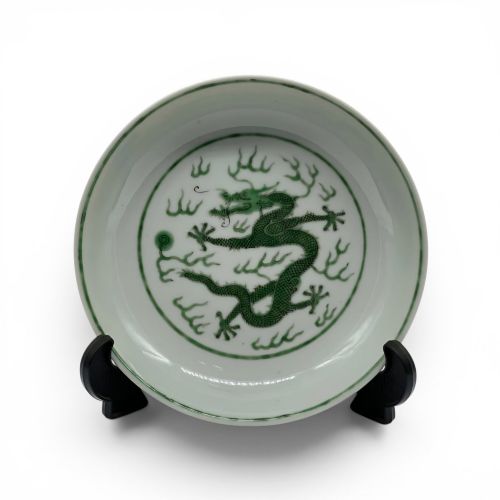
Forms range from large decorative chargers and pedestal dishes to lidded boxes and small trays. Many pieces feature detailed pictorial scenes such as dragons, phoenixes, birds, and samurai figures, while others rely on rich monochrome glazes or geometric borders. Origins span the 17th century through to the early 20th century, capturing various distinct regional aesthetics.
Materials and construction methods
Metalwork pieces utilise cloisonne enamel techniques, where fine wires are soldered to a copper or brass base to form cells that hold coloured glass pastes before firing. Porcelain items employ hard-paste or soft-paste bodies painted with enamel pigments, often fired multiple times to fix the vibrant green and polychrome details.
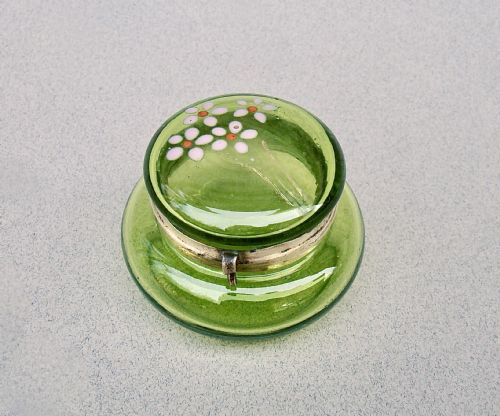
Glass items rely on free-blown or moulded methods, sometimes decorated with painted enamel highlights as seen in Victorian dressing table sets and Edwardian trinket boxes. The combination of metal bases, vitrified glass powders, and painted porcelain glazes defines the physical substance of these works.
The listings here encompass 18th-century Chinese export plates alongside 19th-century Japanese cloisonne chargers and Victorian glass trinket boxes.
Judging quality and execution
Quality rests upon the precision of the workmanship, visible in the fineness of the cloisonne wirework or the crispness of the hand-painted porcelain brushwork. Superior examples display balanced compositions, subtle tonal gradations in the enamel, and well-finished bases that reflect disciplined workshop standards.
The complexity of the decorative subject matter also separates standard production items from masterworks. Pieces featuring intricate mythological creatures, deep carving, or unusual scale command attention through their ambitious execution and careful attention to detail.
The Green Enamel Dish Glossary
- Cloisonne Enamel
- A metalwork technique where flat metal wires form small compartments on a base to hold powdered glass pastes. These pastes fuse into coloured patterns during kiln firing.
- Charger
- A large decorative plate or shallow bowl intended for display rather than table service. They typically measure significantly larger than standard dining plates.
- Famille Rose
- A palette of opaque enamel colours dominated by pink or rose hues, introduced to Chinese porcelain during the Qing dynasty. It frequently accompanies rich green and turquoise accents.
- Totai Shippo
- A specific Japanese cloisonne technique utilising a translucent enamel body or transparent glaze over a textured base. This method allows light to pass through the decorative layers.
- Aka-e
- Japanese painted red ware, often incorporating contrasting green and gold details on porcelain surfaces. This decorative style dates back centuries in Japanese ceramic production.
Green Enamel Dish: Frequently Asked Questions
How were these dishes used originally?
Many large chargers and plates served as decorative display items in prominent rooms rather than functional tableware. Smaller dishes, trinket boxes, and pedestal bowls held personal items, cosmetics, or served as presentation pieces in elite households.
Over time, owners prized them for their vibrant visual appeal, placing them on cabinets, walls, or dressing tables to showcase wealth, taste, and an appreciation for imported or domestic craftsmanship.
How do I date a green enamel dish?
Dating relies on examining the materials, underlying base, manufacturing style, and any accompanying marks or signatures. Pieces from the Edo and Meiji periods in Japan exhibit specific wiring and enamel characteristics unique to those decades.
Chinese export items often align with specific imperial reigns or dynasty periods indicated by decorative motifs and base marks. European glass and porcelain pieces show distinct Victorian or Edwardian manufacturing traits that help narrow down their creation era.
Where should I display a dish?
These pieces suit placement on sturdy sideboards, mantels, or inside glass-fronted cabinets where adequate lighting can highlight their glossy surfaces and colours. Large chargers require secure wall mounting brackets or deep plate stands to support their weight safely.
Keep them away from direct, continuous sunlight to prevent any fading of the delicate enamel pigments over the years. Position them away from high-traffic areas where accidental knocks might occur.
How do I care for antique enamel?
Dust the surface regularly with a soft, dry cloth to prevent the accumulation of particles in recessed wire channels or painted crevices. Avoid using chemical cleaners, abrasive cloths, or immersion in water, as moisture can harm vulnerable metal bases or fragile glazes.
Handle metal and porcelain pieces with clean hands, supporting the entire base rather than lifting by thin rims or applied decorative handles. Professional conservation advice should be sought if structural cleaning becomes necessary.