



Qing Dynasty Style Dish
A qing dynasty style dish brings imperial forms and vibrant cobalt pigments straight to your table, offering centuries of decorative tradition.
Qing Dynasty Style Dish
When you search for a qing dynasty style dish, you encounter a range of ceramics spanning the eighteenth to the early twentieth century. The selection includes decorative plates, chargers, bowls, and specialised vessels such as a brush washer.
The objects adopt traditional aesthetic markers from the Qing period, Chinese export wares, and imperial styles. Porcelain and ceramic forms appear alongside painted enamel-on-copper items.
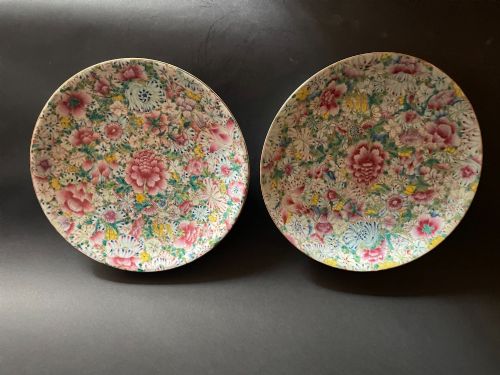
Most pieces date from the nineteenth century or around nineteen hundred, with occasional examples reaching back to seventeen fifty. Buyers frequently find plates and dishes created in pairs or larger matching sets.
Materials and construction
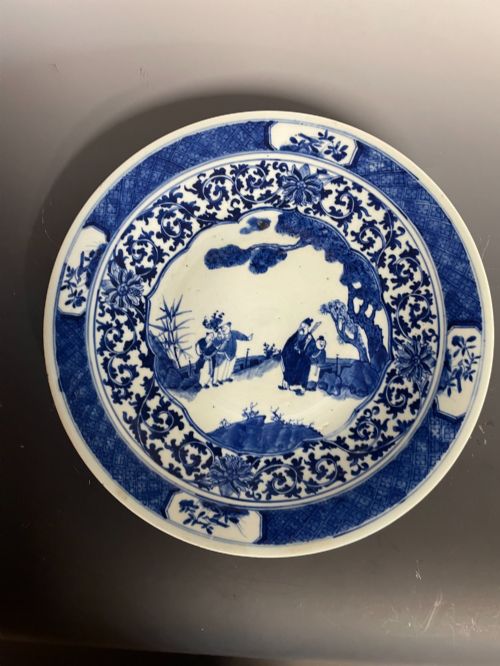
Potters shaped these objects from fine porcelain and ceramic bodies before applying detailed decoration by hand. Artisans utilised cobalt glaze and cobalt pigment underneath transparent glazes to achieve classic blue and white designs.
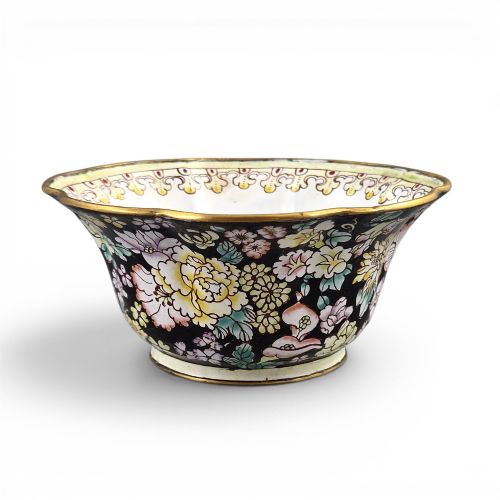
Enamel-on-copper techniques allowed workshops to produce painted bowls with vibrant surface colours. Master craftspeople combined precise brushwork with specialised firing methods to fix pigments firmly onto the ceramic base.
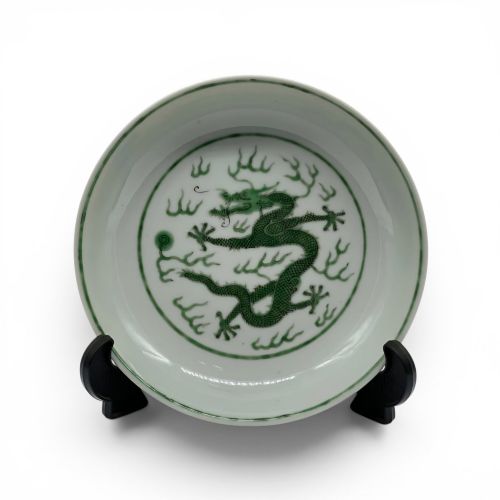
Green dragons wriggle across imperial-style porcelain, daring viewers to count every claw on their painted paws.
Assessing craftsmanship and execution
Superior examples display exceptional control in the hand-painted motifs, such as intricate dragon or phoenix designs executed with fine lines and steady proportions. The depth and clarity of the cobalt underglaze separate standard production items from pieces displaying imperial ambition.
The physical weight, balance, and glaze smoothness of the porcelain body indicate the skill level of the original workshop. Finer items maintain crisp detail across complex pictorial scenes without blurring or pooling in the glaze.
The Qing Dynasty Style Dish Glossary
- Cobalt glaze
- A blue metallic oxide pigment applied beneath the final glaze layer to create enduring underglaze decoration during high-temperature firing. This technique produces the characteristic deep blue tones seen on traditional vessels.
- Charger
- A large decorative plate or platter traditionally utilised for ceremonial display rather than daily dining. These substantial pieces provide a wide surface area for detailed pictorial narratives.
- Brush washer
- A small ceramic bowl designed to clean scholar's writing brushes in traditional studies. These specialised vessels often feature careful internal shaping and refined glazes.
- Enamel-on-copper
- A technique where vitreous enamels are fused to a metal base through heat. This method permits rich, opaque surface coloration distinct from standard ceramic glazes.
- Doucai
- A decorative technique combining underglaze blue outlines with overglaze enamel infill. The method requires multiple firings to achieve its layered polychrome effect.
Qing Dynasty Style Dish: Frequently Asked Questions
What is a qing dynasty style dish?
These pieces are ceramic and porcelain plates, chargers, or bowls made in historical Chinese aesthetic traditions. They incorporate classical motifs and glazing techniques derived from imperial periods.
Items range from eighteenth-century plates to nineteenth-century blue and white tableware and painted enamel vessels.
How were these dishes used originally?
Many large chargers and plates served decorative display functions within elite interiors. Smaller bowls and specialised vessels were integrated into daily scholarly or dining practices.
Imperial-style wares were often commissioned to reflect the status and refined tastes of the ruling court and high-ranking officials.
How do I care for antique porcelain?
Wash porcelain and ceramic items gently by hand using lukewarm water and mild soap. Avoid harsh scrubbers, abrasive detergents, and sudden temperature shifts.
Display plates securely on stable stands or store them flat with protective padding between stacked items to prevent edge chipping.
How are different periods identified?
Periods are determined through stylistic analysis of brushwork, glaze characteristics, form, and any accompanying reign marks. Nineteenth-century examples often display distinct cobalt pigments and enamel palettes compared to earlier eighteenth-century output.
Comparison with documented pieces helps specialists narrow down the likely decade of manufacture.