


Chinese Porcelain Saucer
A Chinese porcelain saucer is a small, delicate vessel designed for tea, showing centuries of refined painting and kiln work.
Chinese Porcelain Saucer
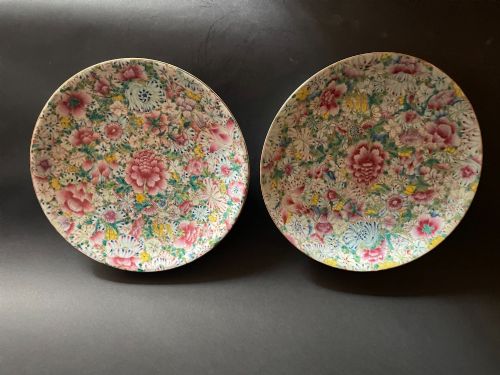
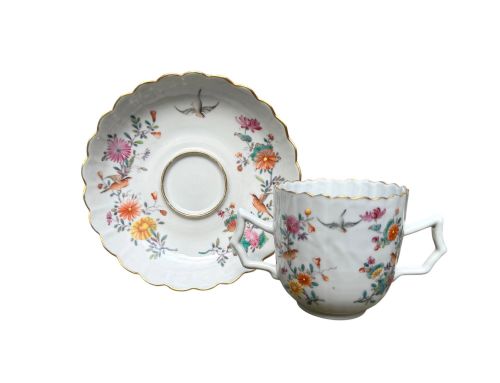
A Chinese porcelain saucer is a small ceramic dish created to accompany tea bowls and teacups, appearing in various forms across multiple centuries. Buyers searching for a Chinese porcelain saucer will encounter pieces ranging from delicate eighteenth-century export wares to nineteenth-century Canton and imperial-style designs.
The selections available include single saucers, matched sets with cups, and larger saucer-dishes intended for display or dining. Most examples originate from the Qing Dynasty, particularly the Qianlong period, alongside earlier Ming pieces and later twentieth-century interpretations.
How they were made
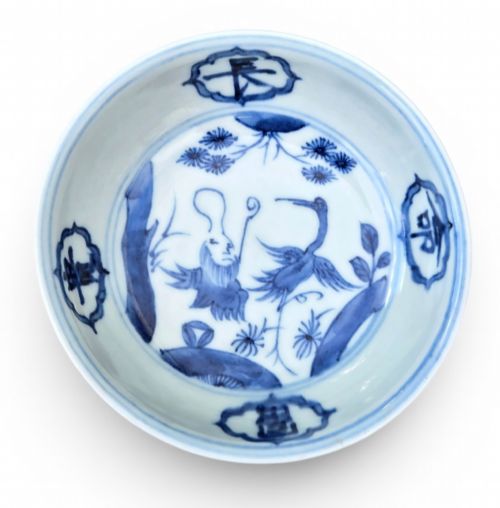
These pieces are fashioned from white porcelain clay and fired at high temperatures to achieve a vitrified, resonant body. Artisans then applied decoration using cobalt glaze for underglaze blue designs, or added polychrome enamels such as famille rose over the glaze.
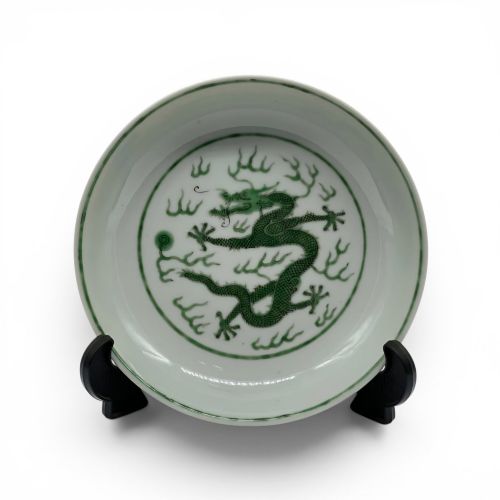
Many examples incorporate additional embellishments like gold leaf, gold gilt, or celadon glaze to enhance the surface texture and colour. Hand-painted motifs require steady brushwork, often depicting narrative scenes, dragons, or floral arrangements before a final kiln firing.
Several saucers record acrobats and circus scenes, proving that eighteenth-century tea drinkers enjoyed a spot of juggling with their brew.
What varies in quality
Quality in a Chinese porcelain saucer rests upon the precision of the hand-painting and the clarity of the porcelain body. Finer examples display crisp, well-defined cobalt blue lines or meticulously applied enamel details without smudging or firing blemishes.
The depth of the glaze and the sophistication of the motif also distinguish standard export production from imperial or high-status commission pieces. Weight, translucency, and the balance of the form further separate ordinary utilitarian vessels from masterworks.
The Chinese Porcelain Saucer Glossary
- Famille rose
- A palette of opaque enamels dominated by pink or rose colours, introduced during the Qing dynasty. This technique allowed artists to achieve subtle tonal gradations in floral and figural subjects.
- Celadon glaze
- A pale green jade-like glaze achieved by iron oxide in the reduction kiln firing. It creates a thick, translucent surface over carved or moulded porcelain bodies.
- Chinese export
- Porcelain manufactured in China specifically for the European and American markets. These pieces often combined traditional Chinese shapes with Western armorial or decorative preferences.
- Mandarin palette
- A polychrome enamel scheme featuring figures in outdoor or courtly settings, framed by elaborate borders. It became popular on eighteenth-century export wares.
- Blue and white
- A style of decoration utilising cobalt blue pigment painted directly onto the clay body under a transparent glaze. The pieces are then fired once at a high temperature.
Chinese Porcelain Saucer: Frequently Asked Questions
How do I date a Chinese porcelain saucer?
Dating relies on stylistic clues, reign marks, and the characteristics of the glaze and body. Eighteenth-century pieces often show thinner potting and specific export palettes, while nineteenth-century items display denser enamels.
Examining the foot ring and the wear on the base also provides reliable evidence of age. Comparing the cobalt blue tone helps distinguish early kiln practices from later revivals.
Were these saucers used for drinking tea?
Most of these pieces served a functional role alongside teacups or tea bowls in domestic dining. They held tea poured from the cup to cool, or acted as stands for hot vessels.
Over time, many fine examples transitioned into decorative items displayed on walls or within cabinets. Their sturdy porcelain construction allowed them to survive centuries of handling.
What is the difference between export and imperial wares?
Export wares were produced in large quantities specifically to satisfy foreign commercial demand in Europe and the Americas. Their motifs often catered to Western tastes or included adapted European coats of arms.
Imperial wares were made under direct supervision for the court in Beijing using superior materials and precise marks. They exhibit tighter quality control and rarer decorative schemes like the green dragon.
How should I display a saucer at home?
These pieces suit mounting on specialised plate stands within glass cabinets to protect them from accidental knocks. Stable, flat surfaces away from direct sunlight preserve the integrity of the enamel and gilt decorations.
Using padded wall hangers allows for secure vertical display if preferred. Ensuring adequate spacing prevents friction damage between neighbouring items.