




Green Enamel Bowl
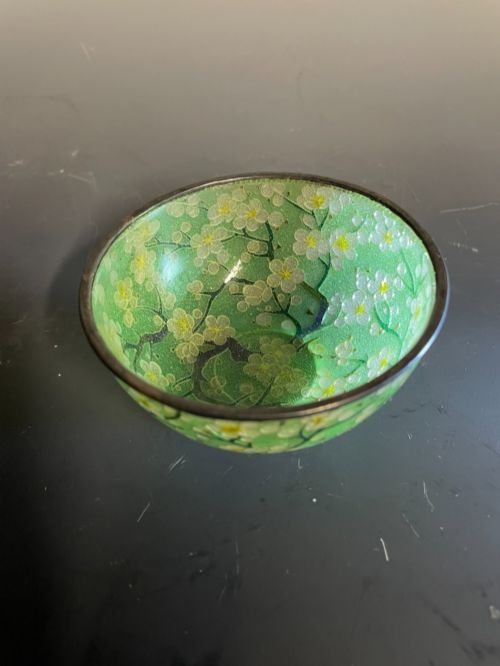
A green enamel bowl brings vibrant depth to a room, offering a striking fusion of vitreous colour and metallic form.
Green Enamel Bowl
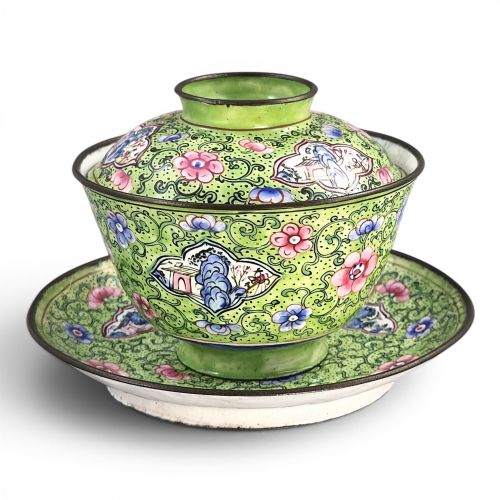
When you search for a green enamel bowl, you encounter vessels shaped from metal, porcelain, or glass, finished with rich green vitreous coatings. These pieces span periods from the Victorian era and the nineteenth century through to the early twentieth century.
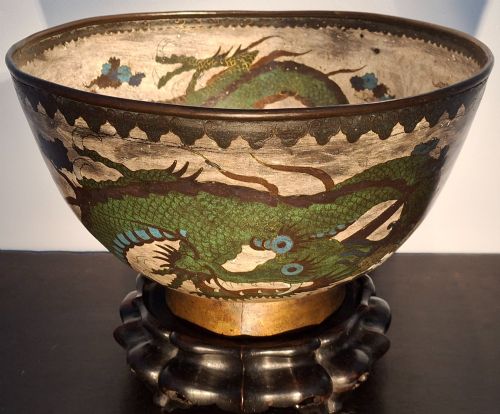
Originating from distinct Asian and European traditions, each green enamel bowl displays varied cultural motifs, including dragons and naturalistic scenes, executed in shades ranging from deep emerald to pale celadon.
Materials and construction
Craftsmen built these vessels using copper, brass, or silver as a base, applying powdered glass pastes into wired cells or onto prepared surfaces. Firing in kilns fused the vitreous enamel to the metal substrate, creating a durable and lustrous finish.
Porcelain variants utilise ceramic bodies painted with enamel pigments before secondary firing, while glass examples incorporate coloured minerals into molten batches. Metal wires, particularly in cloisonne work, define intricate compartments that hold the distinct green enamel tones.
Green Enamel Bowl Retail Price Guide 2026
Typical asking prices for green enamel bowl among the pieces listed under this phrase on Sellingantiques today, from the lower quarter to the upper quarter. They describe what is for sale here now, not the wider market.
Listings feature items spanning the 17th century to the 1920s, utilising enamel, copper, porcelain, brass, and glass.
Assessing craftsmanship and finish
Quality in a green enamel bowl rests upon the precision of the wirework and the smoothness of the fired surface. Superior examples demonstrate uniform enamel depth without pitting or cloudiness in the vitreous layers.
Artistic execution distinguishes exceptional pieces, particularly where complex motifs such as dragons are rendered with fine detail and balanced composition. The crispness of the underlying metalwork and the harmony of the green hues relative to secondary colours elevate the status of the vessel.
The Green Enamel Bowl Glossary
- Cloisonne enamel
- A technique where metal wires are soldered to a base to form compartments filled with enamel paste and fired. This method creates defined patterns of coloured glass across the vessel.
- Canton
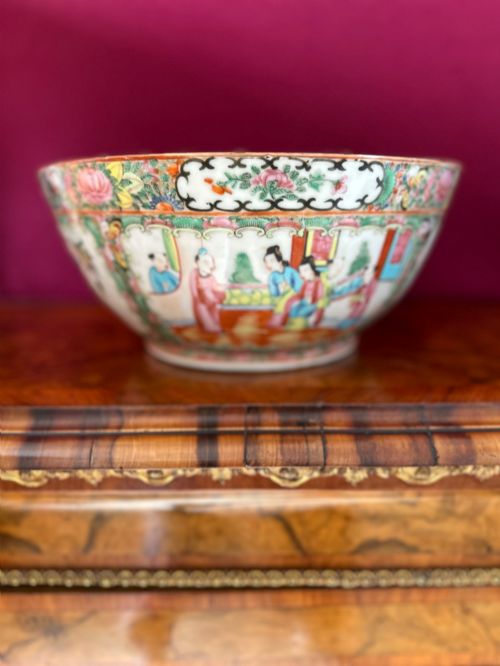
- A style of Chinese export porcelain and enamel ware characterised by colourful figurative and floral decoration. Items from this tradition often feature vibrant panels set against gilt backgrounds.
- Charger
- A large ornamental plate or shallow bowl designed for display rather than service. These pieces frequently measure over thirty centimetres across.
- Plique-a-jour
- An enamelling technique resembling miniature stained glass, where enamel is fired in open cells without a backing metal. This allows light to pass directly through the translucent green enamel.
- Pedestal dish
- A raised vessel supported on a foot or stem. This form elevates the decorative bowl above the surface it rests upon.
Green Enamel Bowl: Frequently Asked Questions
What is a green enamel bowl?
A green enamel bowl is a decorative vessel finished with a vitreous glass coating in various shades of green, applied to a metal, glass, or porcelain body.
These objects include Japanese cloisonne pieces, Chinese Canton wares, and European glass or pottery dating from the nineteenth and early twentieth centuries.
How do I care for my bowl?
Clean these delicate vessels gently using a soft, dry cloth to remove dust without abrasive friction.
Keep them away from direct sunlight and excessive moisture to protect the integrity of the enamel and metal surfaces over time.
How can I tell the period?
Dating relies on examining the manufacturing techniques, material composition, and stylistic motifs characteristic of periods such as the Meiji era or the Victorian age.
Signatures, metal types, and regional production methods also provide clear indicators of a piece's age and origin.
Where were these bowls made?
These bowls originate primarily from workshops in Japan and China, alongside European glasshouses and metalwork studios.
Asian pieces often reflect traditional Qing dynasty or Japanese Edo and Meiji period aesthetics, while European items showcase local Victorian and Edwardian manufacturing styles.