

Green Ceramic Urns
Green ceramic urns span centuries of studio pottery, continental earthenware and oriental porcelain, offering rich colour and sculptural presence for modern interiors.

Green Ceramic Urns
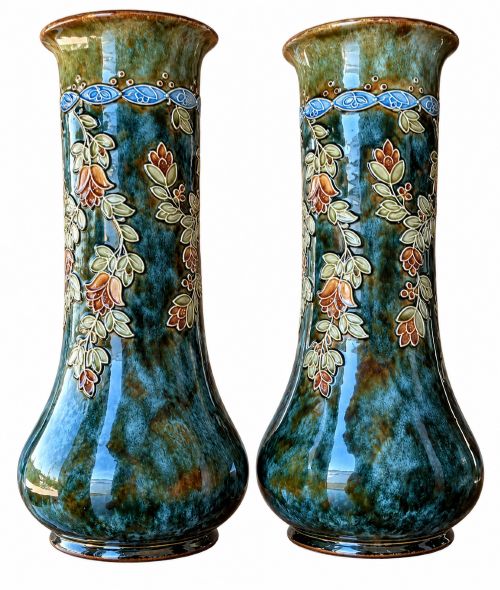
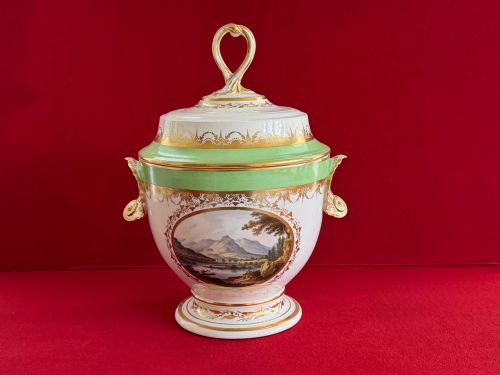
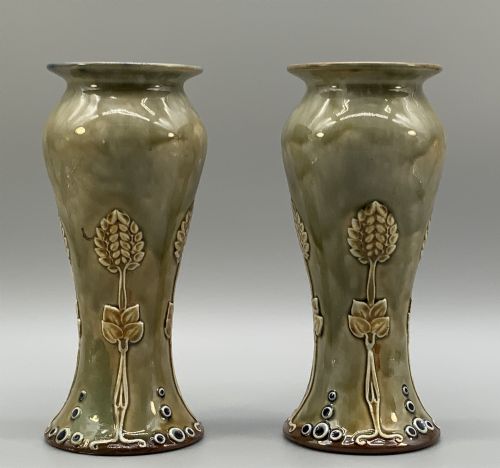
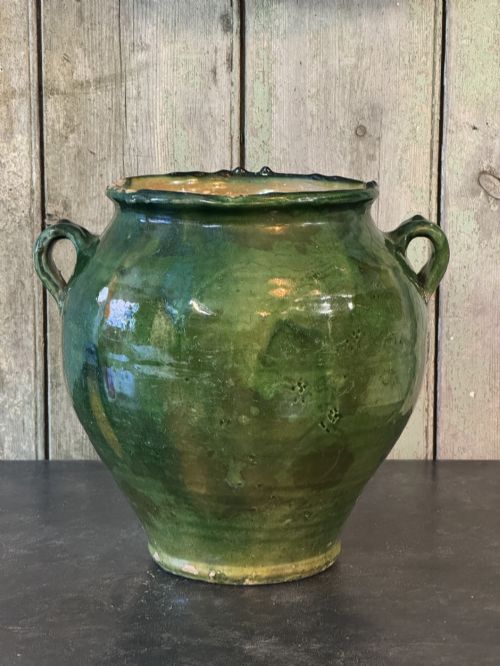
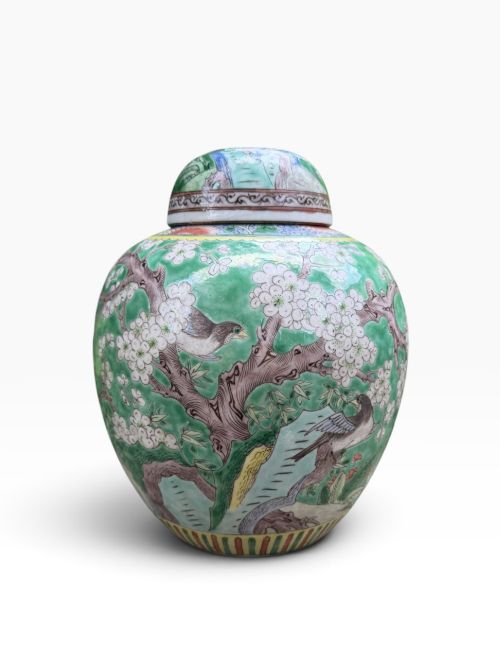
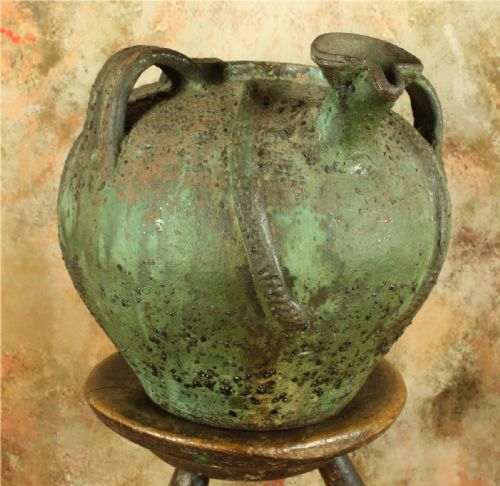
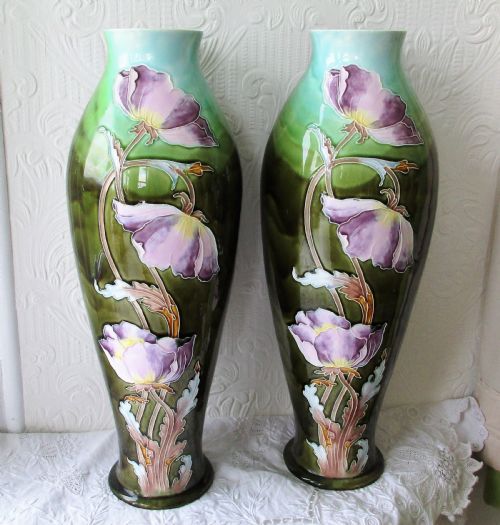
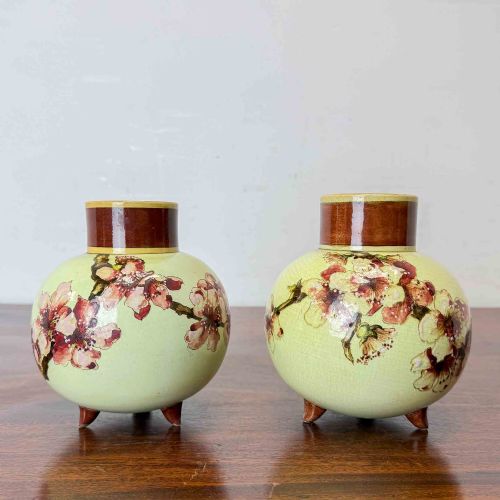
Green ceramic urns bring together a diverse range of vessels, from French confit pots and Italian majolica planters to elaborate Art Nouveau stoneware and Japanese porcelain ginger jars. Buyers searching for green ceramic urns will encounter pieces originating across the eighteenth, nineteenth and early twentieth centuries, reflecting varied regional traditions in glazing and form.
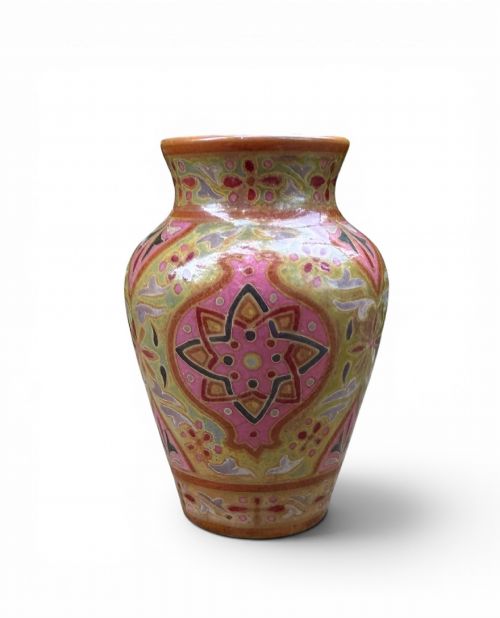
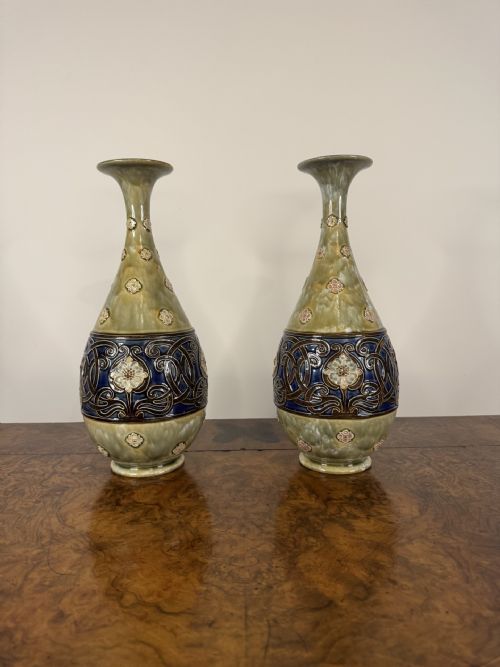
The selection on this page relies heavily on nineteenth-century production, particularly British studio pottery and continental earthenware. Makers utilised rich glazes, ranging from mottled green finishes to vibrant Persian lustres, shaping items intended for both ornamental display and domestic utility.
How They Were Made
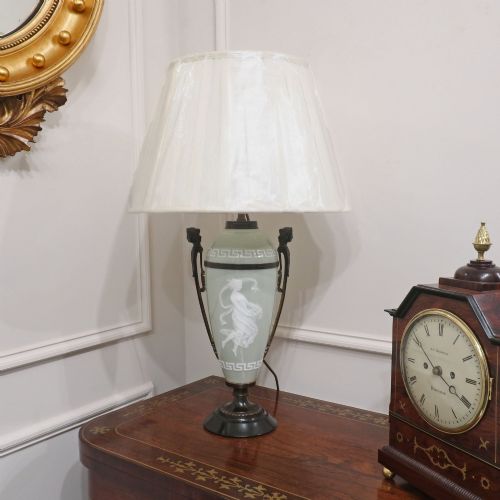
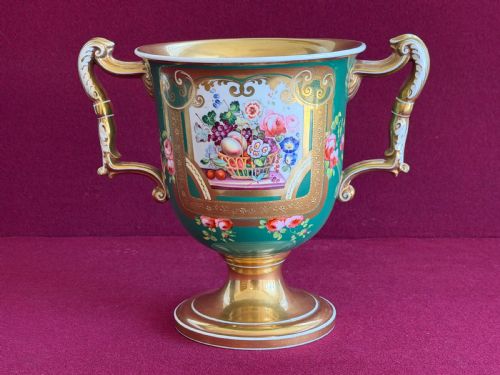
Potters shaped these vessels using earthenware, stoneware and porcelain bodies, often employing hand-thrown techniques or mould-pressed casting depending on the factory and period. Artisans applied metallic oxides and specialised glazes to achieve the characteristic green surfaces, sometimes incorporating gold leaf accents or intricate pate-sur-pate decoration.
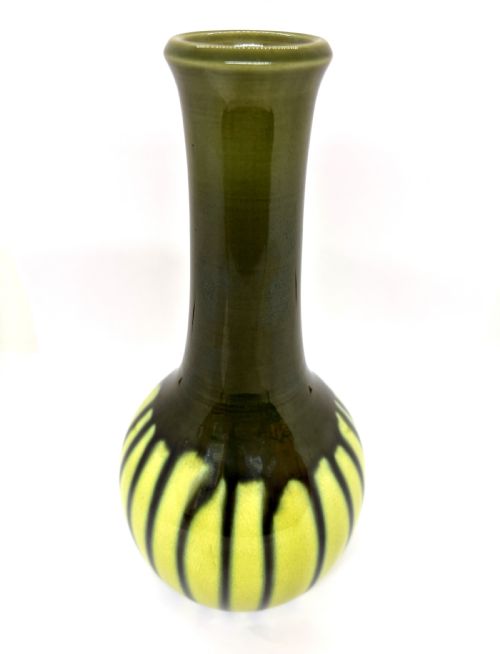
Firing techniques varied from traditional kiln methods producing deep drip glazes to sophisticated reduction firings seen in Asian and European lustre wares. The interaction between the clay body and the fluid glaze layer created the mottled or uniform green tones recorded across the pieces.
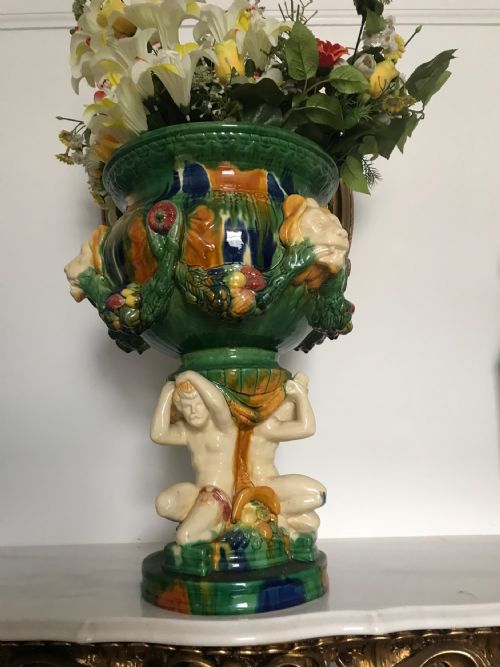
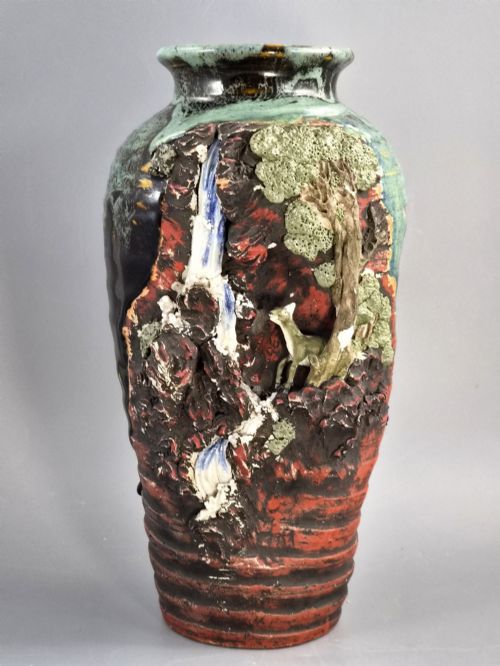
Several pieces incorporate charming sculpted creatures, including stealthy dragons, lounging stags and watchful lions keeping guard over the glaze.
What Varies in Quality
Quality rests upon the precision of the form, the depth and consistency of the glaze application, and the clarity of any hand-painted or modelled details. Superior examples exhibit deliberate control over complex chemical glazes, avoiding muddy tones and achieving a harmonious balance between the vessel's silhouette and its surface decoration.
The reputation of the studio, pottery or decorator significantly influences the standing of a piece, with named artists and documented manufacturers commanding greater attention. The crispness of relief work, such as floral motifs or figural elements, distinguishes standard utility wares from master-designed studio pieces.
Royal Doulton Lambeth·Zsolnay Pecs·Makuzu Kozan·Turn Vienna·Royal Lancastrian
The Green Ceramic Urns Glossary
- Majolica
- A type of earthenware decorated with opaque tin glazes and colourful metallic oxide paints. It is celebrated for its vibrant palette and glossy finish.
- Confit Pot
- A traditional French earthenware vessel featuring handles, often fully or partially glazed. Originally designed for preserving food, these pots now serve decorative roles.
- Stoneware
- A robust ceramic fired at high temperatures until vitrified and rendered non-porous. It frequently supports heavy glazes and sculptural relief decoration.
- Pate Sur Pate
- A meticulous decorating technique where successive layers of liquid clay are built up on a ceramic body to create low-relief cameo designs.
- Lustre Ware
- Pottery finished with a metallic glaze that produces an iridescent sheen when fired in a reducing atmosphere.
Green Ceramic Urns: Frequently Asked Questions
How do I care for antique green ceramic urns?
Clean these vessels gently using a soft, dry cloth to remove dust without disturbing historic glaze surfaces or delicate enamel work.
Avoid using water or chemical cleaners unless the piece is fully glazed and sealed, as porous earthenware can absorb moisture over time.
How can I tell nineteenth-century pieces apart from later ones?
Examine the base for manufacturer marks, registration numbers or artist signatures, which often correlate with specific Victorian and Edwardian production dates.
Material characteristics, such as the weight of the clay body and the specific formulation of the green glaze, also offer strong clues to the era of manufacture.
What is the difference between earthenware and stoneware urns?
Earthenware is fired at lower temperatures, resulting in a porous body that requires a complete glaze layer to hold liquids effectively.
Stoneware undergoes high-temperature firing until the clay vitrifies, making the vessel naturally watertight, heavier and extremely durable.