
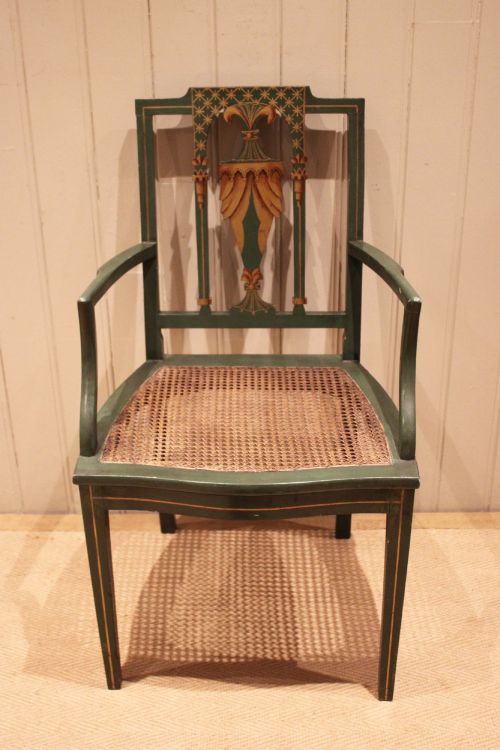
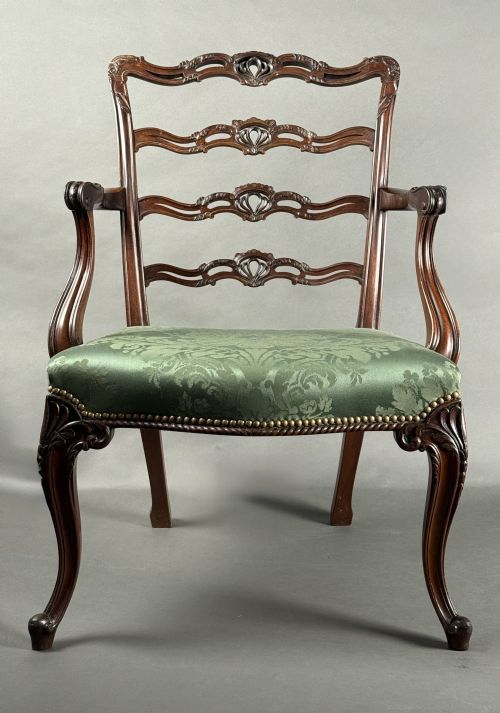
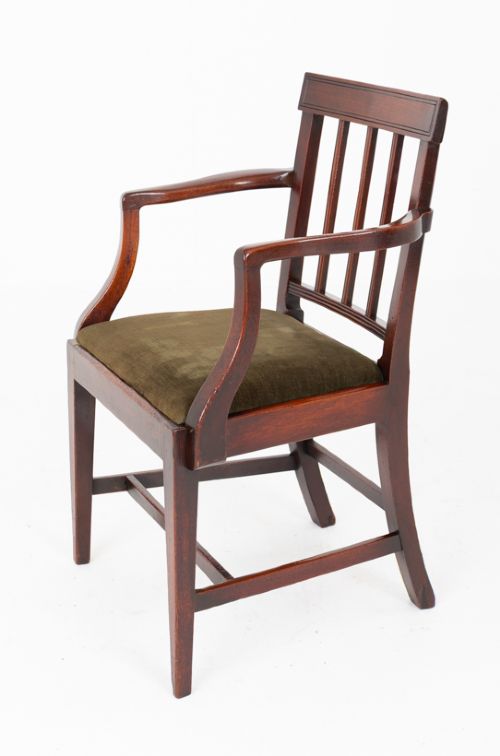
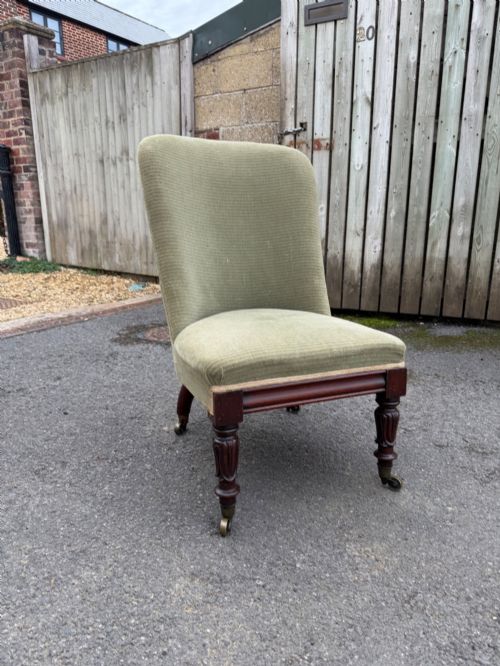
Green Accent Armchair
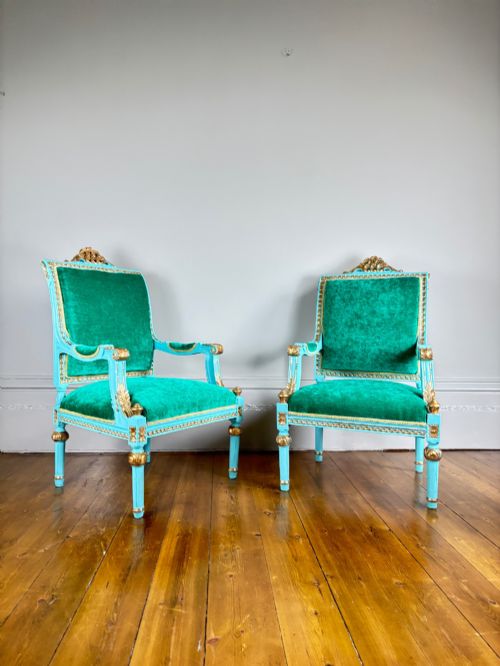
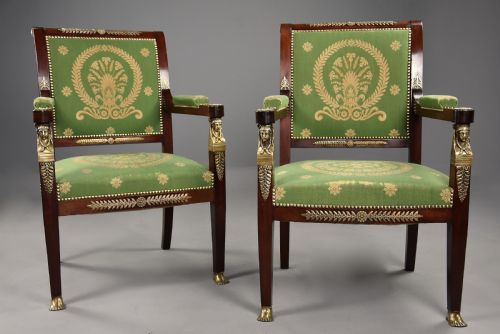
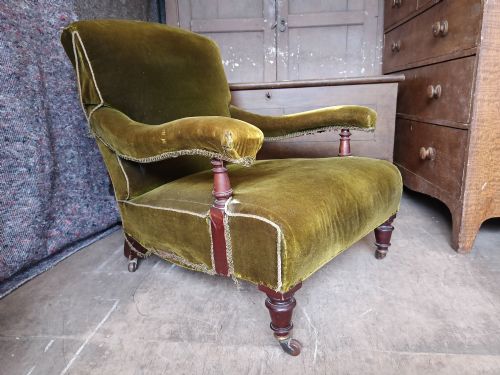
These green accent armchairs bring rich colour and classic seating styles into a room, offering both historical character and comfortable daily use.
Green Accent Armchair
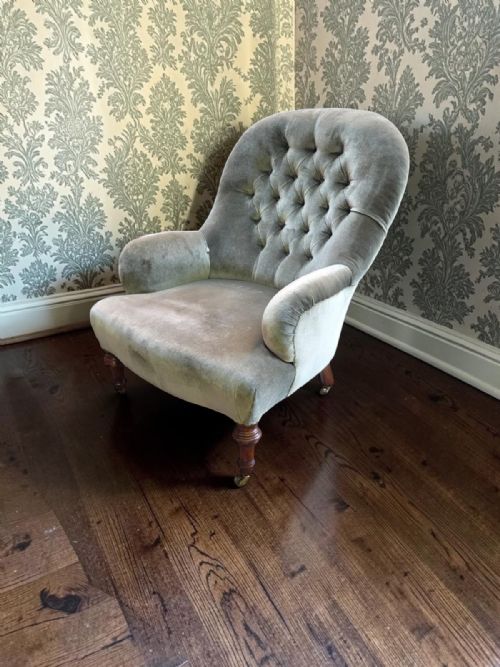
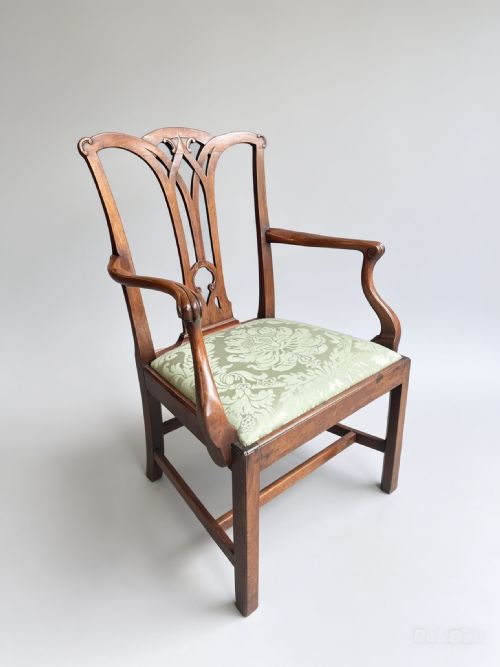
A green accent armchair serves as a focal seating piece, drawing the eye through its distinctive upholstery and period timber frame. When searching for a green accent armchair, buyers encounter various historical interpretations ranging from formal Georgian designs to comfortable Victorian and Edwardian iterations.
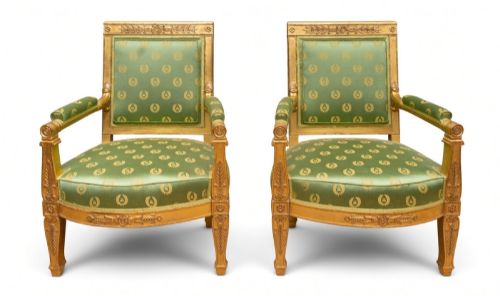
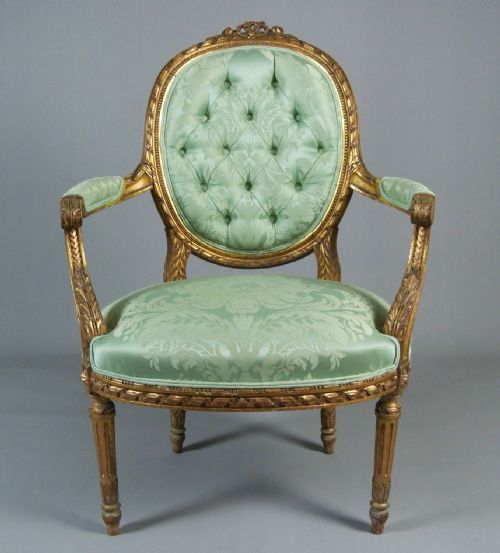
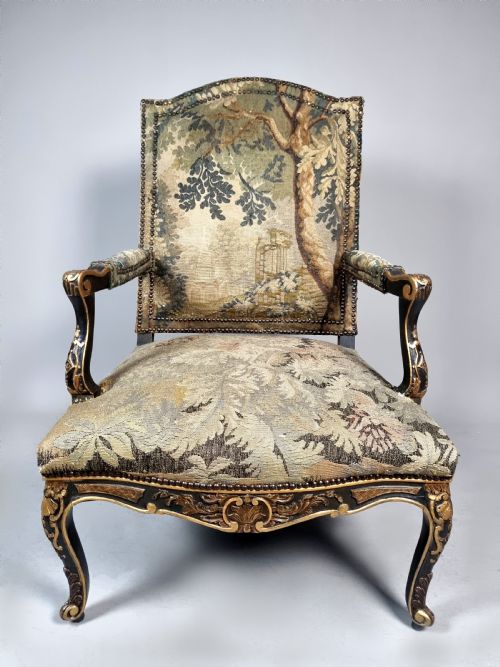
The selections span distinct seating forms including open armchairs, bergères, salon chairs, and occasional chairs. Many examples showcase revival aesthetics such as French Empire, Louis XV, and Regency styles executed in walnut, mahogany, and giltwood.
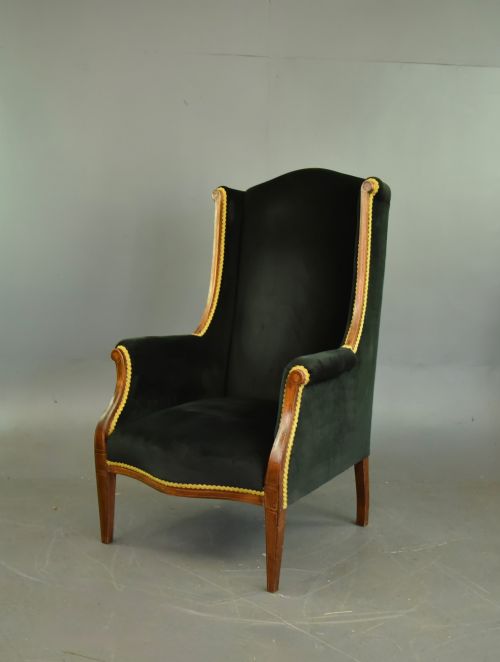
Origins stretch across British and continental workshops, incorporating periods from the eighteenth century through to the early twentieth century. These chairs often feature specific traditional seating formats like wing armchairs, nursing chairs, and Gainsborough chairs.
Materials and Construction Techniques
Frames rely on sturdy timbers such as mahogany, walnut, rosewood, and birch, frequently shaped with hand-carved details or applied giltwood. Joinery methods reflect the period of origin, employing traditional pegged or doweled joints to ensure structural integrity.
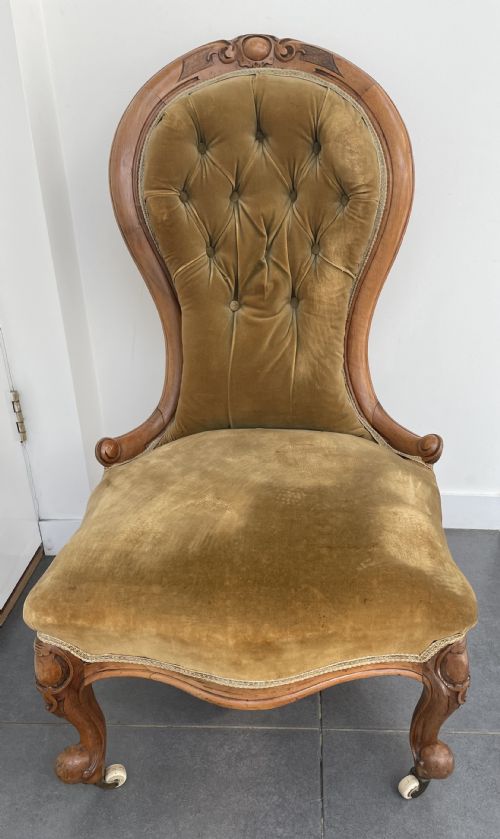
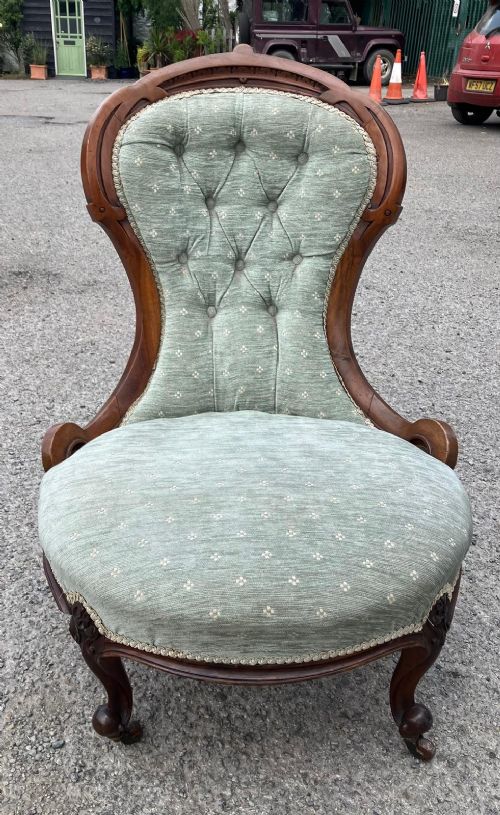
Upholstery techniques utilise period textiles including velvet and needlepoint, often secured with traditional stuffing methods over sprung or webbed bases. Decorative elements such as brass inlays, button backing, and ebonised finishes complete the construction.
The listings span eight distinct periods, led by Victorian and eighteenth-century examples alongside Edwardian and Regency pieces.
Assessing Quality and Execution
The distinction between tiers rests upon the crispness of timber carving, the selection of primary hardwoods, and the fidelity of period revival details. Superior examples exhibit balanced proportions, refined cabriole or tapered legs, and harmonious integration of frame and upholstery.
Condition of the timber frame, originality of surface finish, and execution of textile work determine the standing of an individual piece. Lesser examples display simplified turning or later alterations that diminish the integrity of the original design.
Thomas Chippendale·Jacob-Desmalter·Hampton & Sons·Heals
The Green Accent Armchair Glossary
- Bergère
- An enclosed upholstered armchair with wooden framing around the sides and back, often featuring cane panels. This form originated in France during the eighteenth century.
- Fauteuil
- An open-arm armchair with an exposed wooden frame, typically featuring padded armrests and a carved back. Originating in French design, these chairs display polished or gilt surfaces.
- Cabriole leg
- A furniture leg that curves outward in a convex arc and tapers inward in a concave arc, terminating in a pad or claw foot. This feature is common in eighteenth-century and revival seating.
- Needlepoint
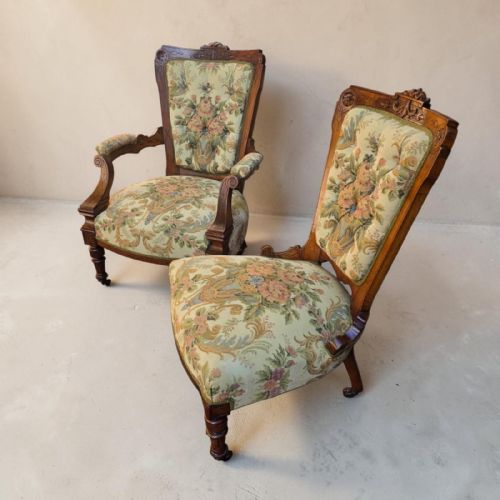
- A form of counted thread embroidery stitched onto canvas backing, frequently utilised for durable historical upholstery. These detailed textiles often depict floral or pastoral scenes.
Green Accent Armchair: Frequently Asked Questions
Where should I place a green accent armchair?
These chairs suit sitting rooms, studies, or bedrooms where a distinct colour splash enhances the existing decor. Positioning them away from direct sunlight protects the velvet or fabric upholstery from fading.
Pairing the chair with a complementary side table creates a dedicated reading or relaxation corner. Their varied historical forms allow them to act as statement pieces in contemporary and traditional interiors alike.
How do I care for antique upholstery?
Regular gentle brushing or vacuuming with a soft attachment prevents dust accumulation within velvet and fabric fibres. Keeping the chair away from direct heat sources prevents the timber frames from drying out.
Professional cleaning is recommended for historical textiles to preserve the integrity of older needlepoint or silk-blend materials. Avoiding harsh chemical treatments ensures the longevity of both frame and fabric.
How do I distinguish a Victorian chair from an earlier piece?
Victorian examples often utilise darker walnut or rosewood timbers with heavier carving, deep button backing, and robust proportions. Eighteenth-century pieces typically feature lighter mahogany frames with more restrained cabriole or straight legs.
Examining the construction joints and interior webbing provides further clues regarding the manufacturing era. Revival pieces from the late nineteenth century frequently blend earlier aesthetic details with contemporary industrial methods.
What is the difference between an occasional chair and a salon chair?
Occasional chairs are versatile, lightweight seats intended to be moved easily around a room as needed for extra company. Salon chairs are traditionally designed for formal entertaining and conversation within drawing rooms.
Salon chairs often feature more decorative carved woodwork or gilt finishes to impress guests. Both types serve well in modern settings as decorative accents rather than primary lounging seats.