
Antique Velvet Seating
Antique velvet seating comprises upholstered chairs, stools, benches and settees covered in plush pile fabric from the eighteenth to early twentieth centuries.
Antique Velvet Seating
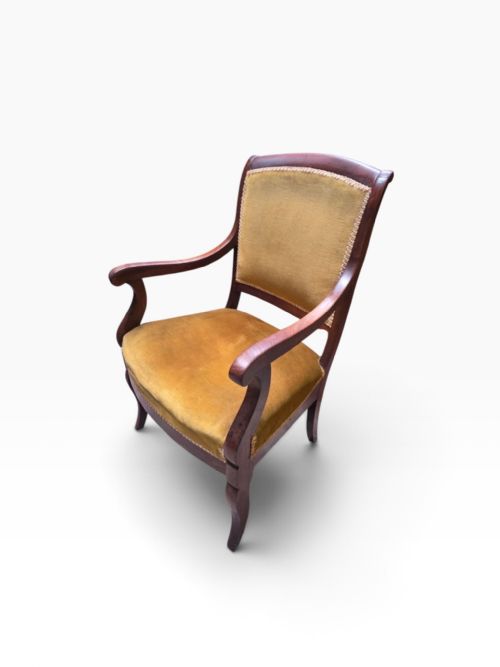
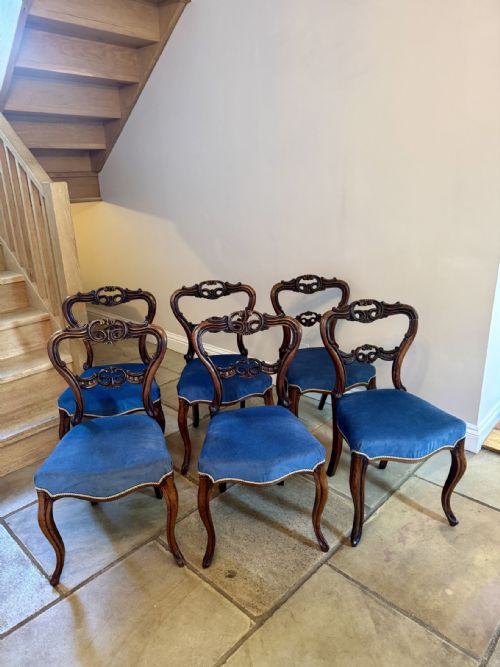
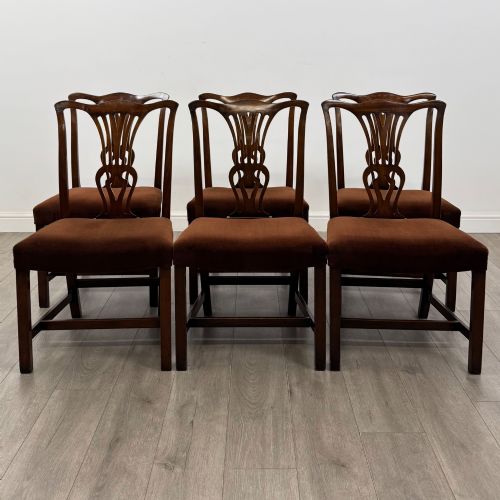
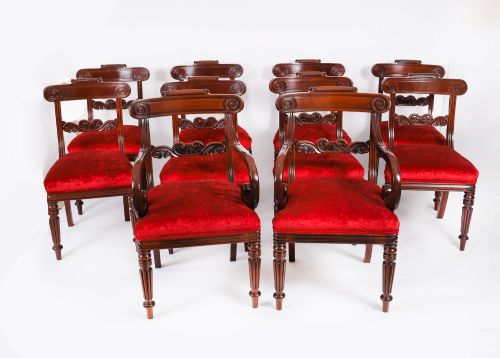
When you search for antique velvet seating, you encounter a wide variety of domestic furniture ranging from dining chairs and library armchairs to piano stools and bedroom nursing chairs. The pieces span multiple centuries and stylistic revivals, capturing the distinct interior tastes of Georgian, Victorian and Edwardian households.
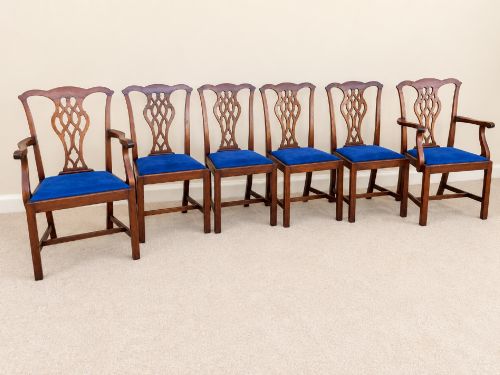
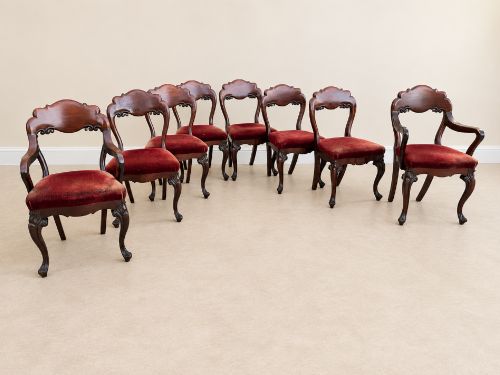
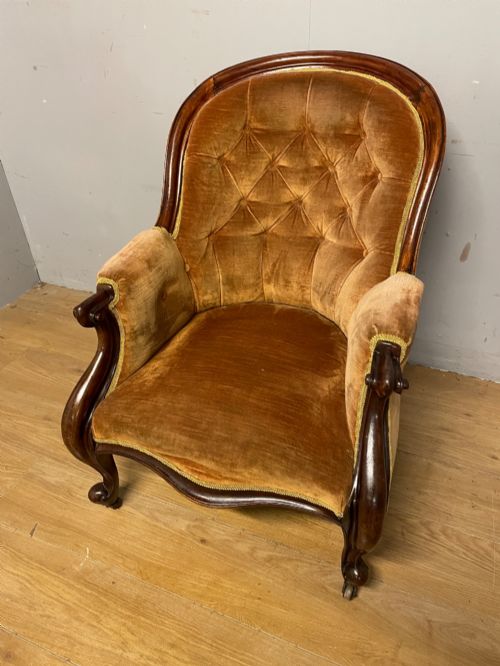
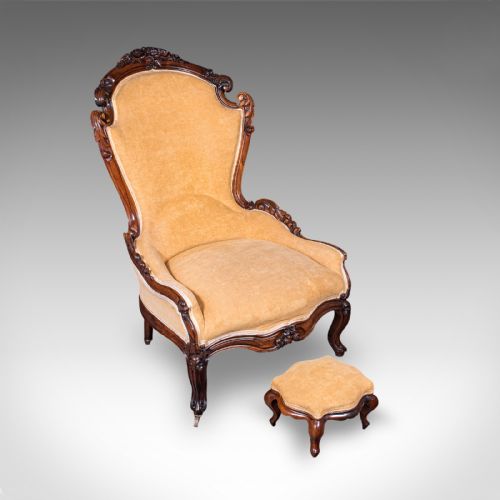
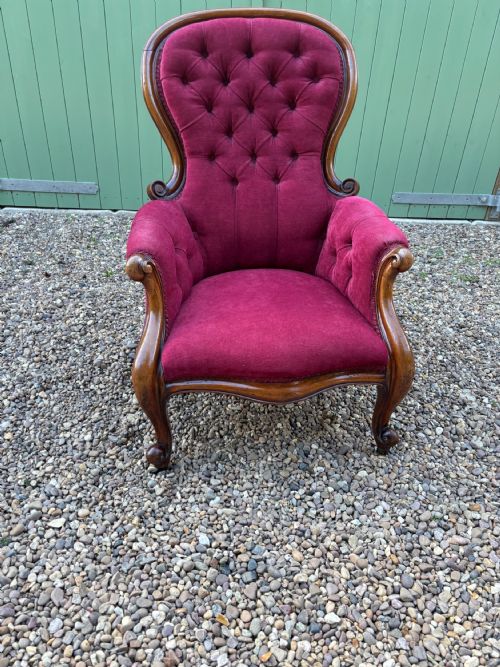
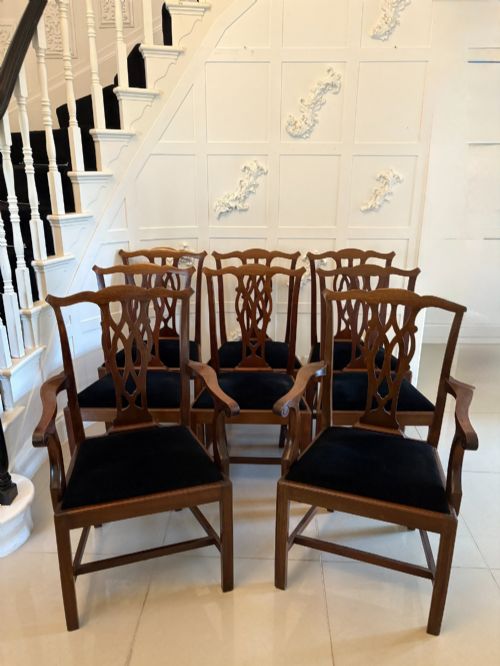
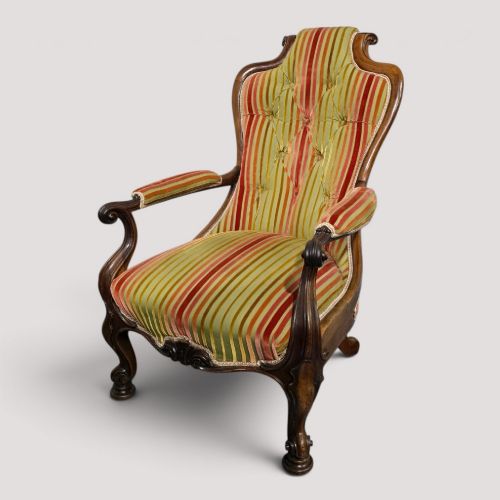
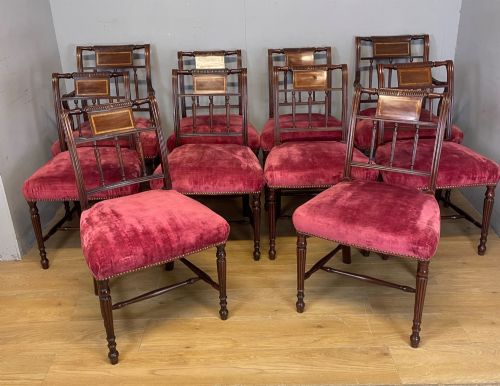
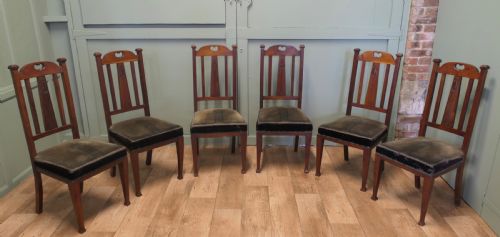
The versions most likely to appear on this page are Victorian and Edwardian armchairs, side chairs and dining sets. These items often feature button-backed upholstery, carved wooden frames and practical seating forms designed for parlours, bedrooms and formal reception rooms.
Materials and construction methods
Makers constructed the supportive frameworks of antique velvet seating using dense hardwoods such as mahogany, walnut, oak, rosewood and ebonised wood. These durable timbers were frequently carved, inlaid or polished to showcase rich grain patterns.
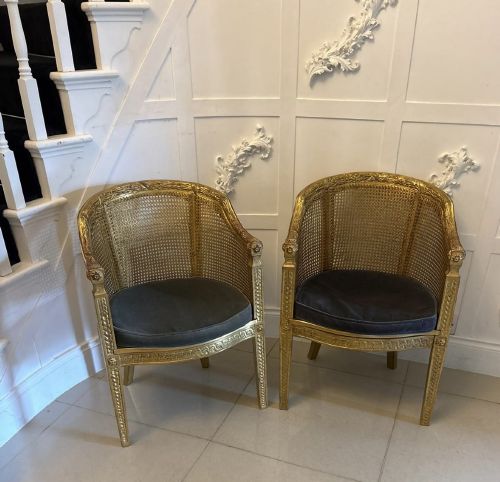
Upholsterers applied woven velvet fabrics over internal padding to provide comfortable seating surfaces. Additional decorative or structural accents included brass hardware, ormolu ornamentation, giltwood finishes and cane panels.
Listings feature Victorian, Edwardian, Regency and Georgian periods alongside materials like mahogany, walnut, oak, rosewood and brass.
Distinctions in quality
The standard of a piece rests upon the weight and density of the timber frame and the precision of its carved details. Superior examples exhibit crisp joinery, deeply carved ornamentation and substantial structural timbers that withstand regular use.
Quality also depends upon the integrity of the upholstery work and the selection of materials. Finely executed pieces maintain tight fabric tension, balanced proportions and harmonious integration between the wooden structure and the velvet covering.
Strahan
The Antique Velvet Seating Glossary
- Chaise longue
- An elongated chair designed for reclining, featuring a backrest and partial or full armrests. These pieces combine wooden frames with upholstered cushions and decorative panel inserts.
- Balloon back
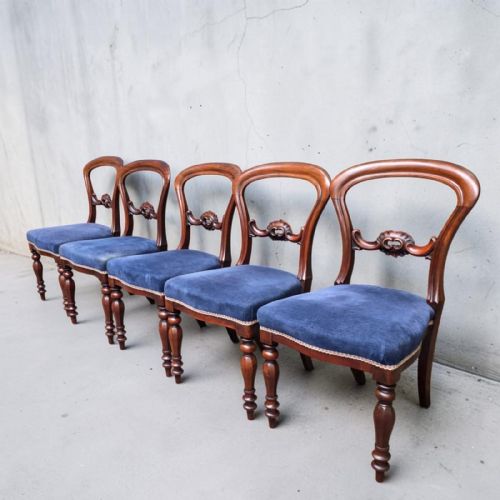
- A rounded, oval-shaped chair back resembling a balloon, popular during the Victorian era. This curving wooden form typically frames an upholstered central panel.
- Ormolu
- Gilded bronze ornamentation applied to furniture frames for decorative effect. Craftsmen mounted these metallic details onto wood surfaces to accent formal seating.
- Giltwood
- Wood coated with a thin layer of gold leaf or metallic paint. This bright finish appeared frequently on elaborate French revival chairs and settees.
Antique Velvet Seating: Frequently Asked Questions
What is antique velvet seating?
Antique velvet seating refers to historical chairs, stools, benches and sofas upholstered in soft pile fabric. These domestic furnishings date from periods including the Georgian, Victorian and Edwardian eras.
They combine functional wooden frames built from mahogany, walnut or oak with tactile textile coverings designed for comfort and reception room display.
How were these chairs used historically?
People utilised these chairs across various rooms in the home for dining, reading, resting at pianos or receiving guests in parlours. Specific forms like nursing chairs, library armchairs and piano stools served dedicated domestic tasks.
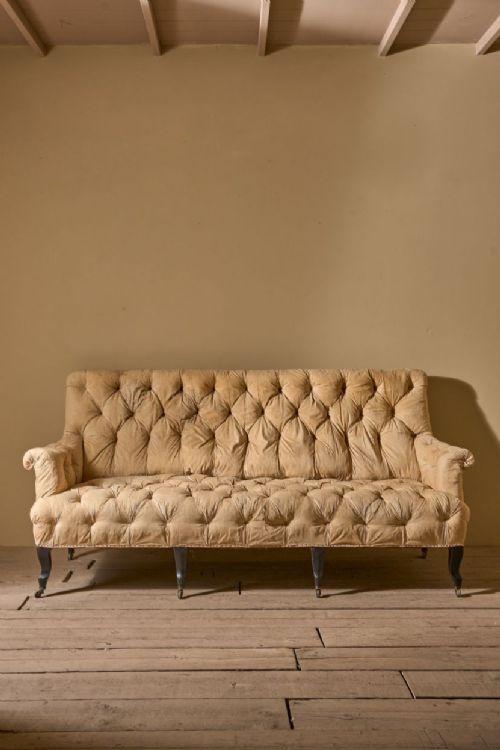
Larger items such as settees, window seats and chaise longues accommodated multiple sitters or provided spaces for relaxation near windows.
How do I care for antique velvet?
Protect antique velvet seating by keeping pieces away from direct sunlight to prevent fabric fading and fibre degradation. Regular gentle brushing maintains the nap and removes surface dust without crushing the pile.
Avoid placing heavy objects on the fabric for extended periods and consult professional conservators for specialised cleaning needs.
How do I identify Victorian pieces?
Victorian seating often exhibits heavier proportions, darker woods like walnut and mahogany, and distinctive shapes such as balloon backs or button-tufted upholstery. Stylistic revival elements referencing earlier historical periods frequently appear.
Makers from this era also utilised carved floral motifs, ebonised finishes and turned wooden legs to signal mid-to-late nineteenth-century manufacture.