

Vintage Walnut Armchairs
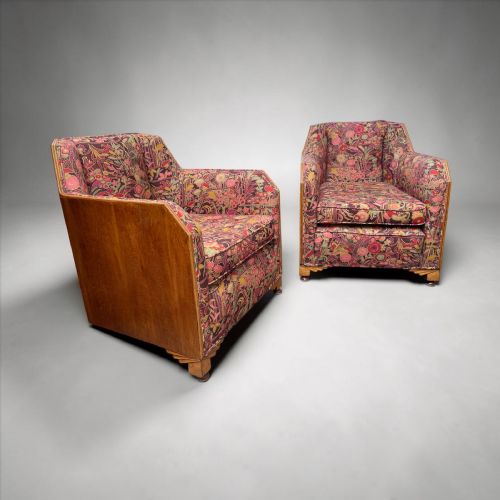
These vintage walnut armchairs bring rich timber grain and period character to a room, spanning decades of seating design from Victorian parlours to Art Deco lounges.
Vintage Walnut Armchairs
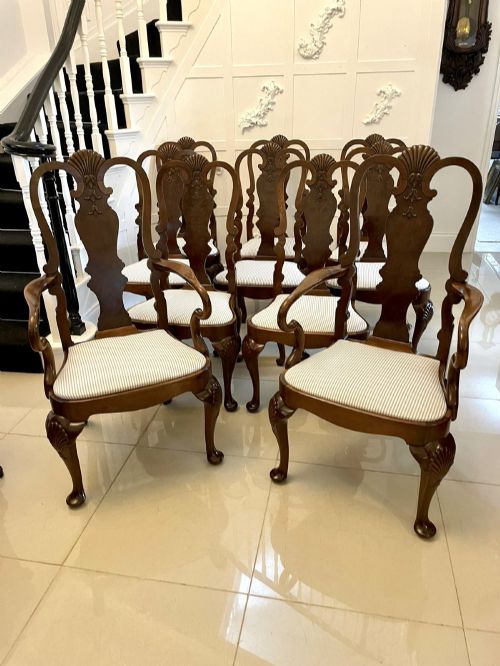
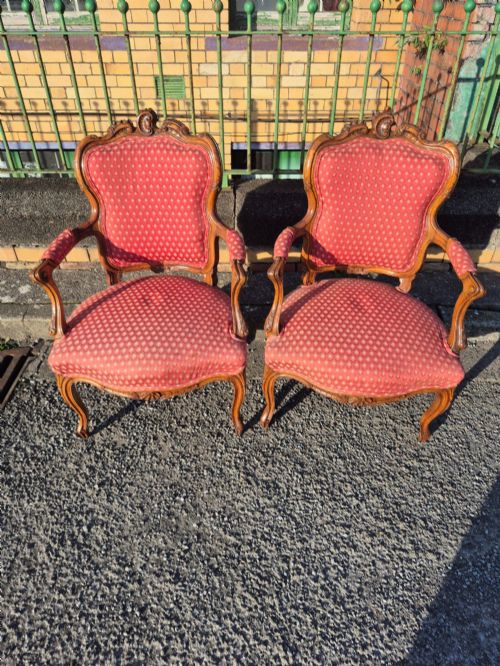
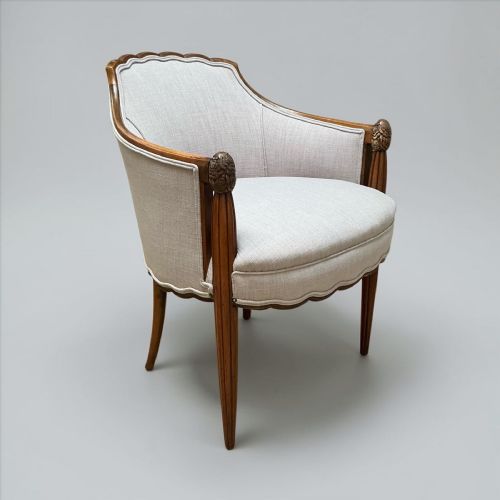
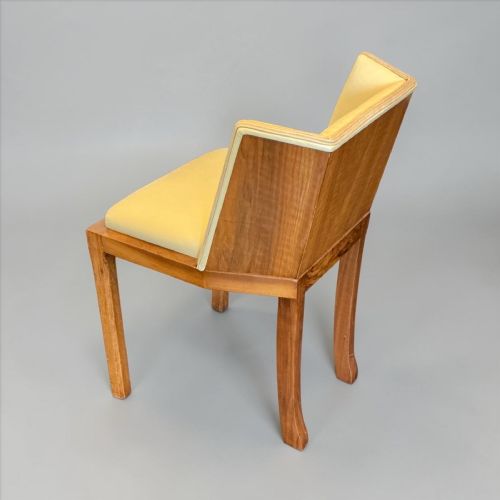
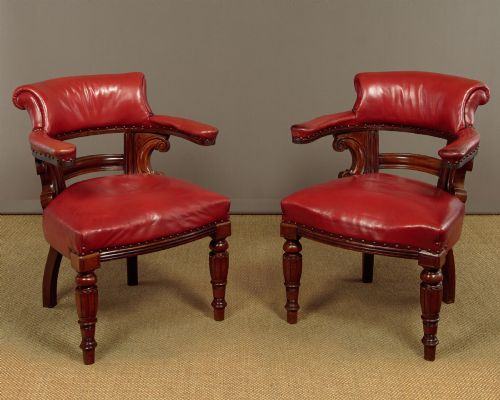
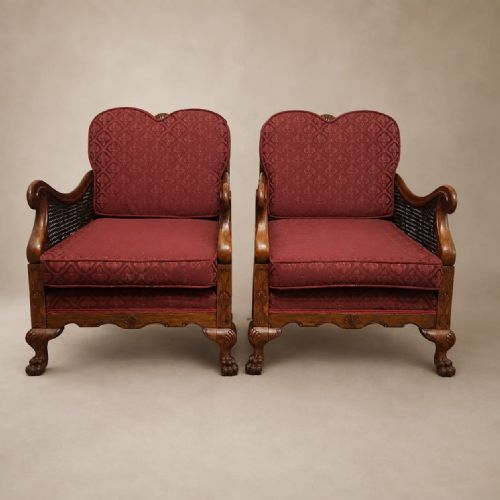
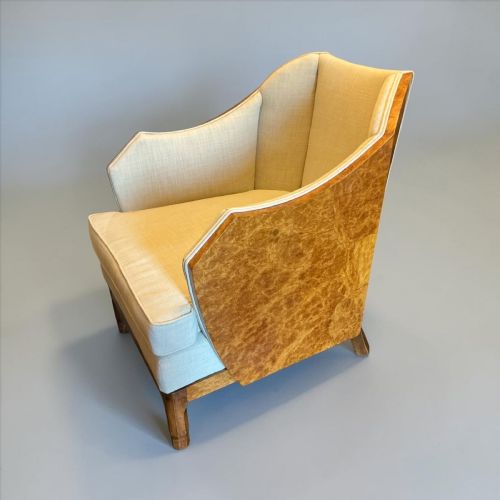
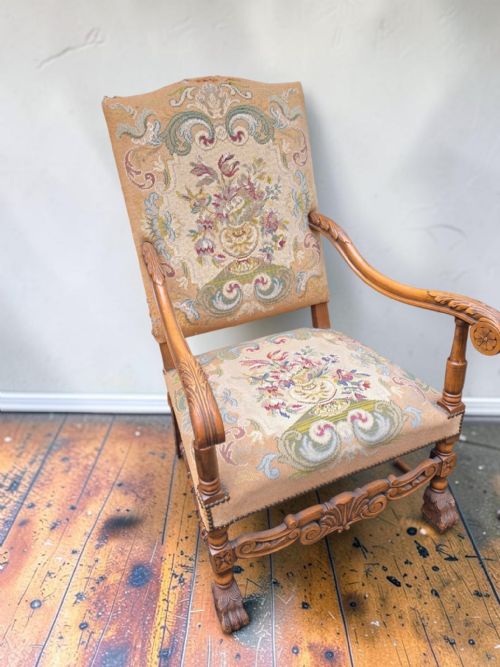
Vintage walnut armchairs encompass a broad span of seating, ranging from carved Victorian frames and Edwardian button-backed designs to streamlined Art Deco club chairs. These pieces appear in various configurations, including pairs, sets of dining chairs, and low library or lounge chairs.
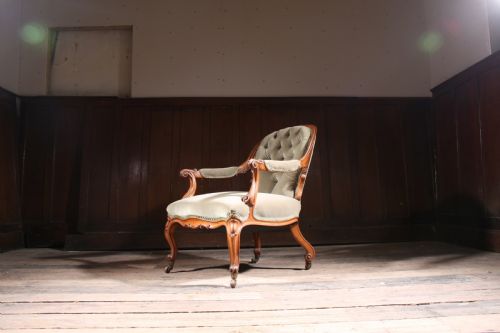
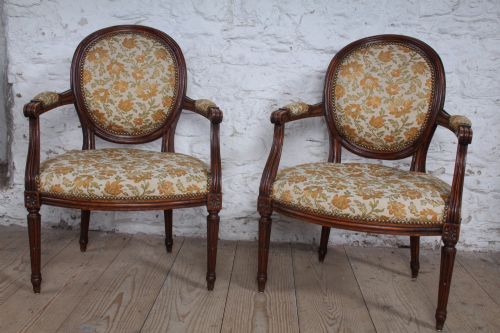
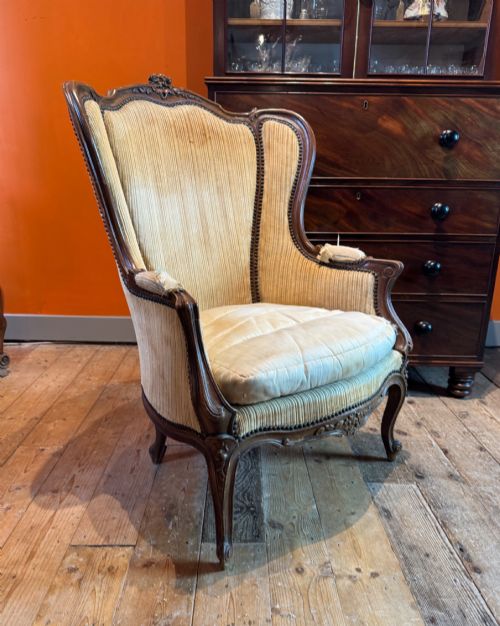
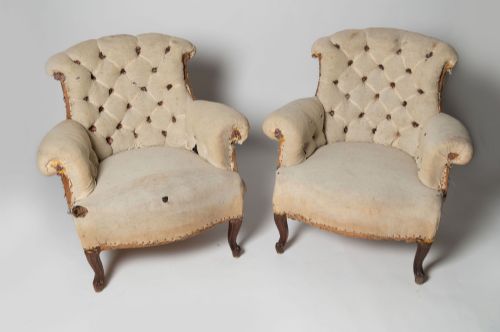
The selection on this page draws heavily from nineteenth-century revivals and twentieth-century modernism, reflecting periods such as the Victorian era, the Edwardian years, and the 1930s. Buyers frequently encounter French bergere chairs, Queen Anne style models, and bold club chairs upholstered in leather or velvet.
Materials and Construction
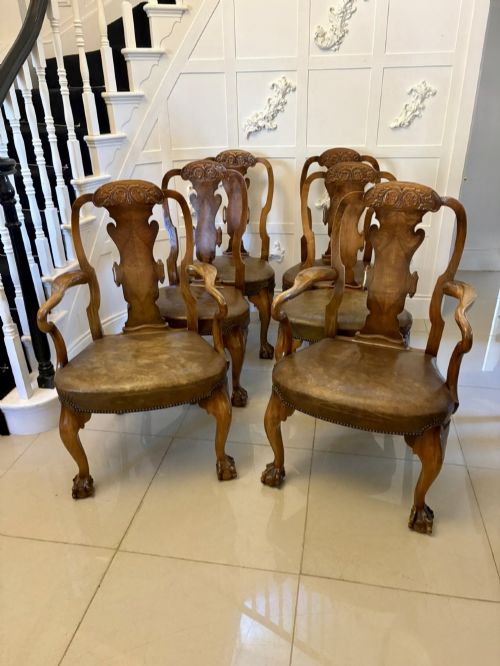
Makers utilised solid walnut and walnut veneers for the exposed wooden frames, often shaping the timber into cabriole legs, carved arm supports, and sweeping back rails. The natural grain of the wood provides deep warmth and rich brown tones across every piece.
Upholstery relies on traditional stuffing materials paired with surface coverings like leather, split cane, tapestry, velvet, and calf suede. Brass tacks and detailed carving frequently accent the wooden frameworks, securing the textiles to the underlying structure.
Several armchairs incorporate cane panels so intricate they make a person wonder how many hours the weaver spent in the workshop.
Assessing Quality and Craftsmanship
Quality rests in the crispness of the timber carving and the structural integrity of the frame joints, where solid walnut demonstrates superior durability compared to thinner veneered surfaces. The weight of the timber and the depth of the hand-finishing distinguish standard seating from exceptional examples.
The standard of upholstery and the retention of original coverings, whether hand-stitched leather or woven cane panels, dictate the integrity of the piece. Subtle details in the shaping of the armrests and the harmony of the overall proportions separate mass-produced items from finer workshop output.
Hille·Harry and Lou Epstein·Howard And Sons
The Vintage Walnut Armchairs Glossary
- Bergere
- An enclosed upholstered armchair with wooden framing, often featuring woven cane panels along the sides and back. This French style dates back to the eighteenth century but appears frequently in later revivals.
- Cabriole leg
- A furniture leg that curves out and then tapers inward, mimicking an animal's curving leg. It is a defining feature of Queen Anne and related revival styles.
- Spoonback
- A chair back shaped in the curved outline of a spoon, designed to fit the contours of the human spine. This form is particularly common on Victorian nursing and salon chairs.
- Wing chair
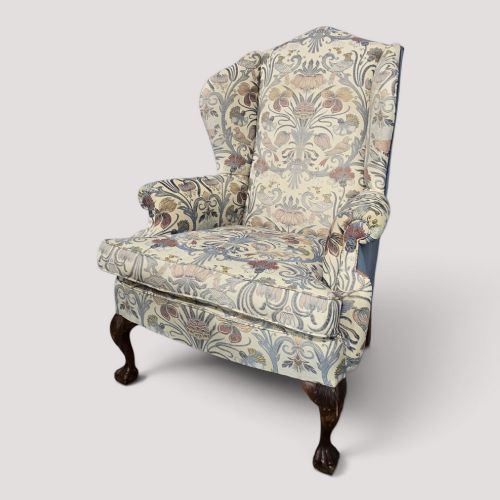
- An armchair with side panels, known as wings, mounted to the back frame to shield the sitter from draughts. These pieces often feature prominent upholstered scroll arms.
- Caning
- A method of weaving thin strips of rattan plant material to create flexible panels for chair backs and seats. Split cane requires skilled hand labour to achieve an even mesh.
Vintage Walnut Armchairs: Frequently Asked Questions
How do I date a walnut armchair?
Dating relies on identifying stylistic markers, such as Victorian carved details or Art Deco geometric lines, alongside construction methods visible in the frame.
Examining the underside, joinery, and wear patterns helps place the chair within its specific period of manufacture.
Are these chairs suitable for daily use?
Many vintage armchairs are structurally robust enough for everyday seating, provided the internal webbing and joints remain sound.
Heavily upholstered club chairs and sturdy library models generally offer high levels of comfort for modern living spaces.
How do I care for walnut wood frames?
Walnut benefits from occasional polishing with a quality beeswax to nourish the timber and maintain its natural lustre.
Keeping the chairs away from direct sunlight and excessive heat sources prevents the wood from drying out or splitting.