




Grand Tour Style Sculpture
Grand tour style sculpture brings the classical monuments of European antiquity straight into domestic rooms, capturing centuries of heritage in bronze, marble and plaster.
Grand Tour Style Sculpture
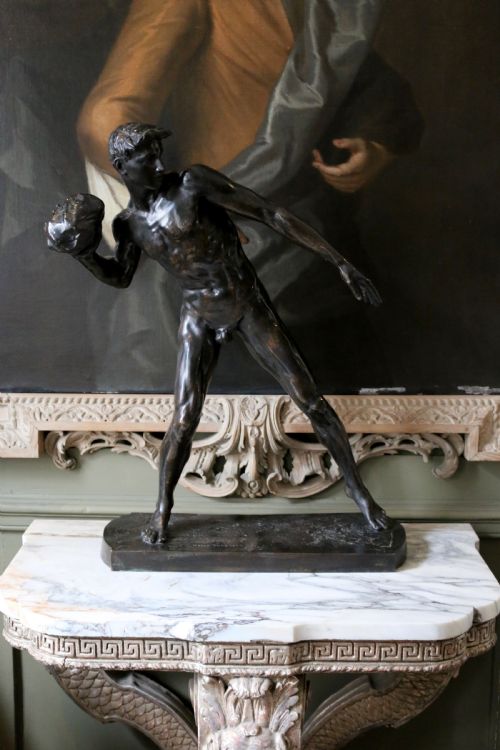
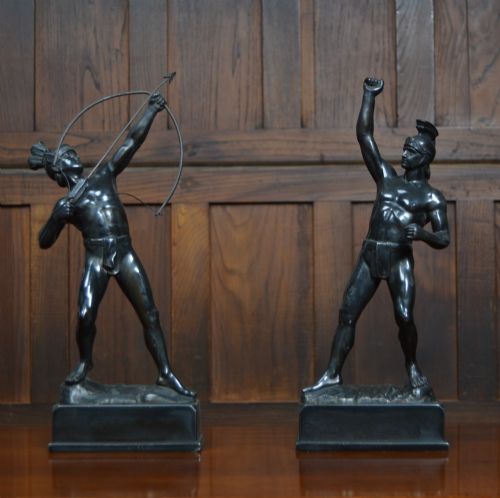
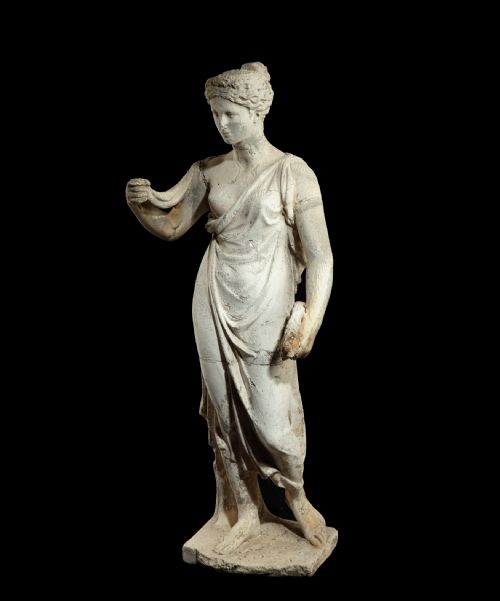
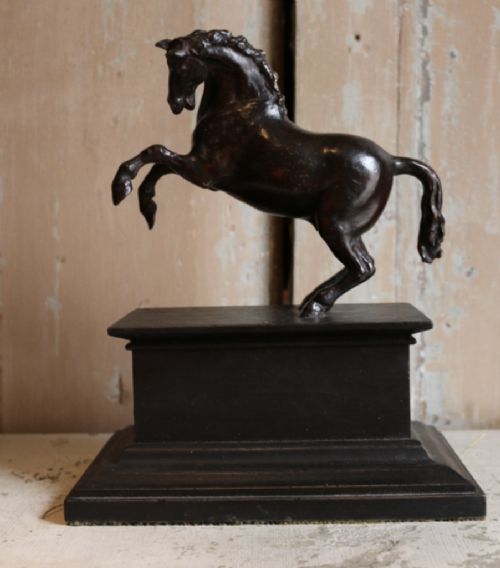
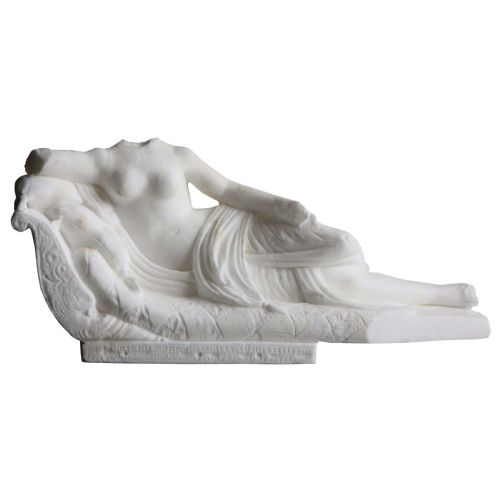
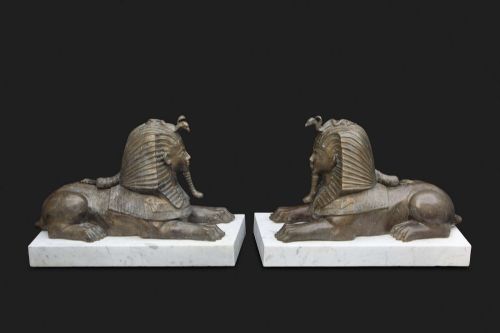
Grand tour style sculpture encompasses miniature and full-scale replicas of famous classical antiquities, Renaissance masterworks and architectural fragments collected by travellers across Europe. The 19th century dominates the selection, bringing interpretations of ancient statues, Roman emperors and mythological figures into private collections.
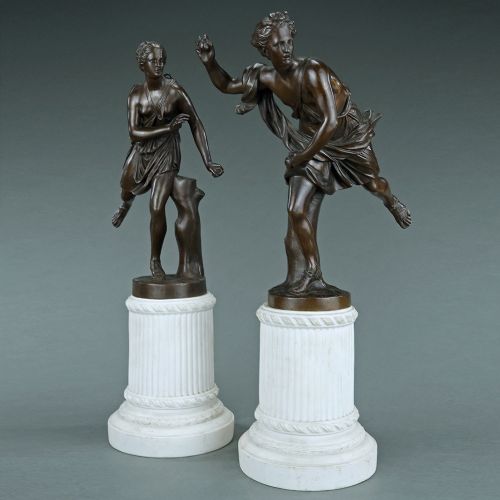
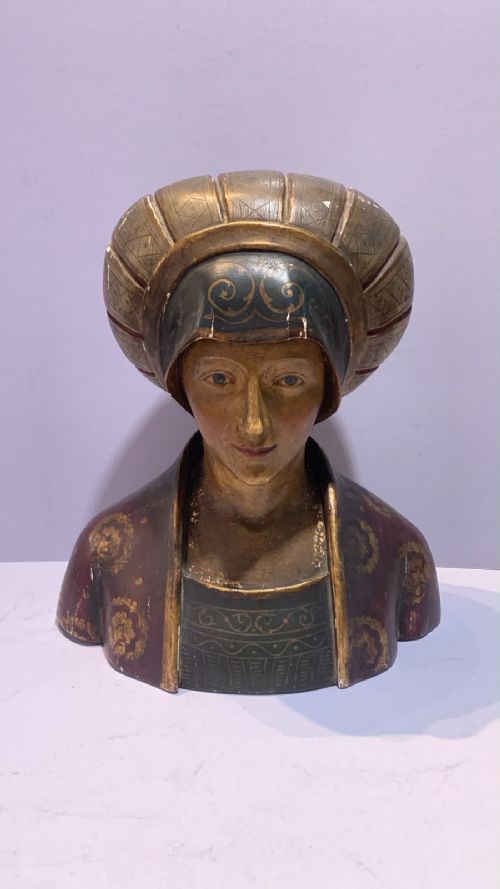
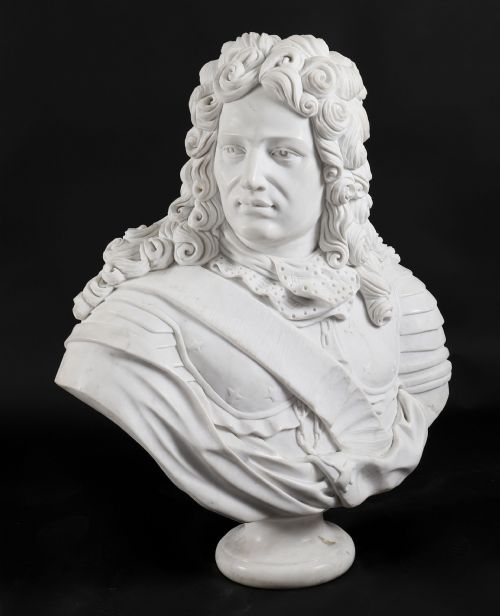
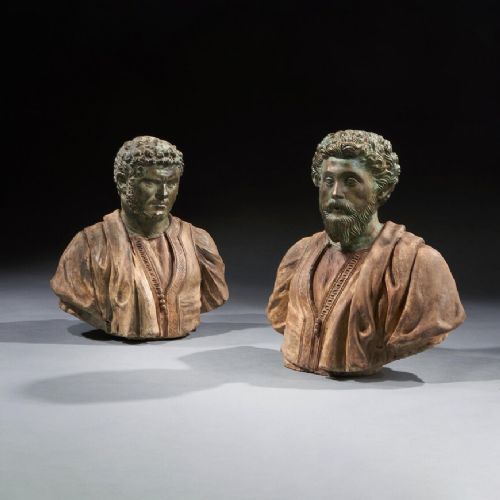
Buyers encounter subjects ranging from the Warwick Vase and the Dancing Faun of Pompeii to portrait busts of Caesars, philosophers and noblemen. These pieces appear as standalone bronze figures, marble profiles, plaster library busts and carved stone ornaments.
Origins trace principally to Italian and French workshops catering to travellers returning from historic cultural centres, alongside later revival pieces produced across the Victorian era. The forms replicate monuments seen in foreign galleries and archaeological sites, offering a tangible connection to classical antiquity.
Materials and methods of production
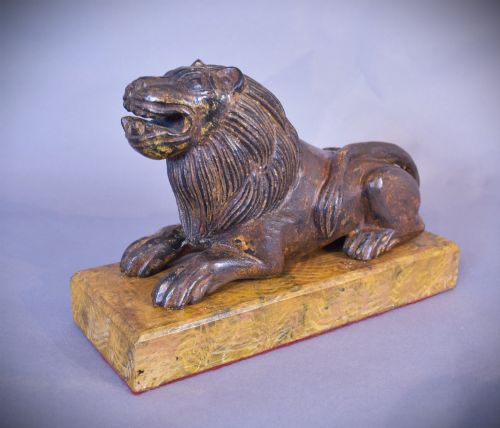
Foundries and studios utilised traditional casting and carving methods, employing bronze, patinated bronze, terracotta and spelter for metallic figures. Marble and carved stone provided dense, cool plinths and portrait busts, whilst plaster served for detailed library studies and architectural casts.
Makers applied chemical patination to bronze surfaces to simulate ancient patinas, ranging from deep dark tones to green hues resembling buried antiquities. Marble and alabaster underwent meticulous hand-carving to delineate drapery, facial expressions and hair, matching the finish of original classical precedents.
Grand Tour Style Sculpture Retail Price Guide 2026
Typical asking prices for grand tour style sculpture among the pieces listed under this phrase on Sellingantiques today, from the lower quarter to the upper quarter. They describe what is for sale here now, not the wider market.
Listings feature works spanning the 17th, 18th, 19th and 20th centuries, executed in bronze, marble, plaster, terracotta, stone and wood.
Distinctions in quality and execution
Materials dictate weight and presence, with solid cast bronze and Carrara marble representing higher tiers of production compared to hollow spelter or painted plaster. The fidelity to the original classical proportions and the smoothness of the final polish determine the standing of each individual piece.
Barbedienne·Hamo Thornycroft·Antonio Canova·Mathurin Moreau·Leofanti Adolphe·Ferdinando de Luca
The Grand Tour Style Sculpture Glossary
- Patinated bronze
- Bronze treated with chemical solutions to produce a specific surface colour or aged appearance. This finish protects the metal and mimics the look of ancient excavated statuary.
- Spelter
- A zinc alloy frequently used as a cheaper alternative to bronze in Victorian figures. It takes fine detail well but lacks the weight and resonance of genuine bronze.
- Carrara marble
- A type of white or blue-grey marble quarried in the city of Carrara in Tuscany. It was the preferred material for classical sculptors and 19th-century copyists alike.
- Plaster cast
- A reproduction made by pouring liquid plaster into a mould taken from an original sculpture. These were used extensively in libraries and academies for study.
Grand Tour Style Sculpture: Frequently Asked Questions
How do I identify bronze versus spelter?
Bronze is heavier, colder to the touch and rings with a clear tone when struck, whereas spelter is lighter and softer.
Examining the underside or areas of wear often reveals the greyish metal beneath the surface plating of spelter figures.
Where should I display these sculptures?
Marble busts and bronze figures suit heavy wooden sideboards, libraries, mantelpieces and dedicated pedestals where their weight and material presence can be appreciated.
Keeping them away from direct heat sources and strong sunlight protects patinated surfaces and delicate plaster finishes.
How do I distinguish 19th century from later copies?
Nineteenth-century examples exhibit crisp chasing on bronzes, hand-finished details in marble and natural ageing appropriate to workshop practices of the period.
Cast marks, patination style and the material composition of the plinths help establish the correct era of manufacture.