




Grand Tour Souvenir Casts
Grand tour souvenir casts bring the classical world home, offering miniature bronze sculptures and framed plaster intaglios collected by travellers abroad.
Grand Tour Souvenir Casts
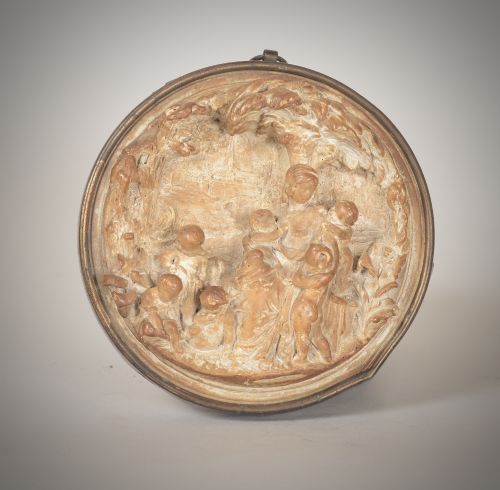
Grand tour souvenir casts encompass a variety of classical forms, from framed intaglios and plaster reliefs to bronze sculptures of famous monuments and statues. These pieces were acquired by travellers journeying through Europe, particularly Italy, during the nineteenth century to record their cultural education.
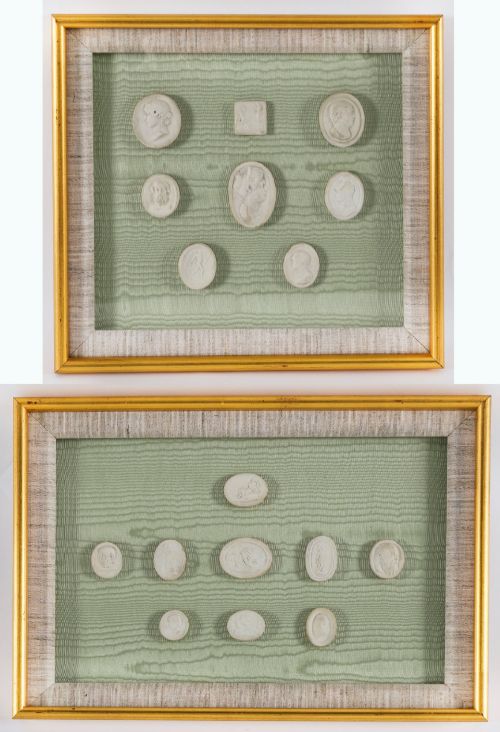
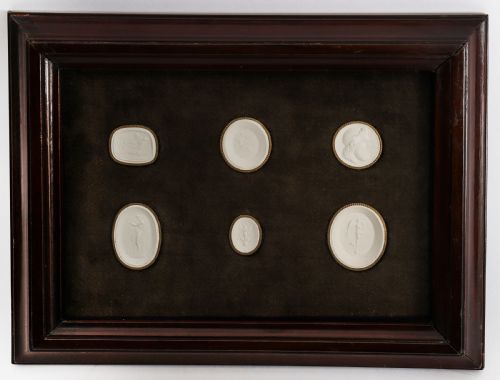
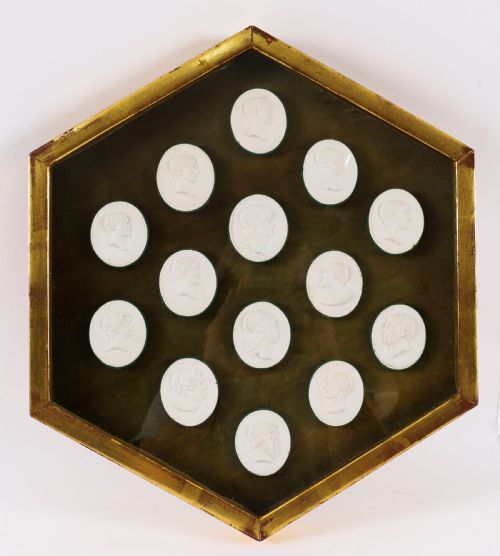
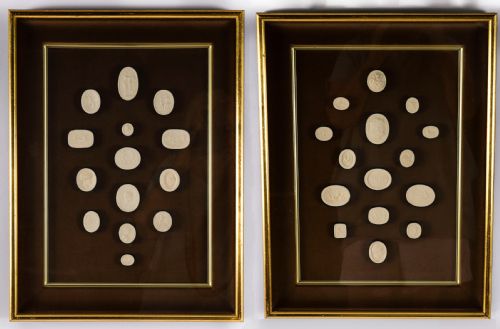
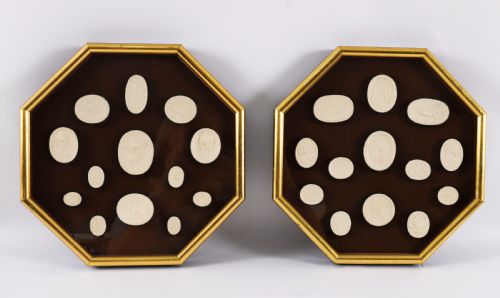
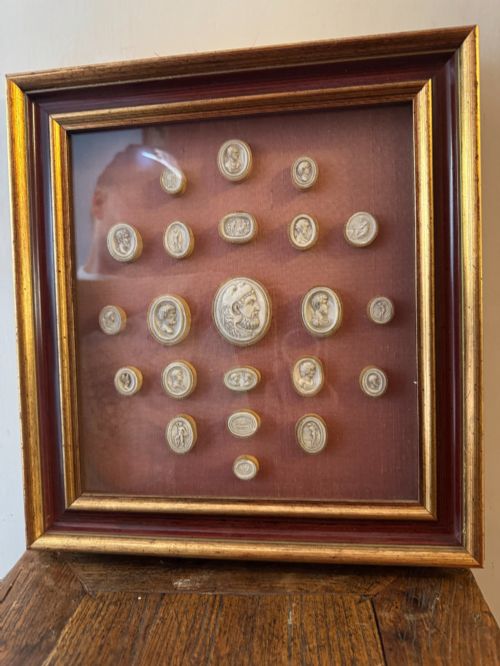
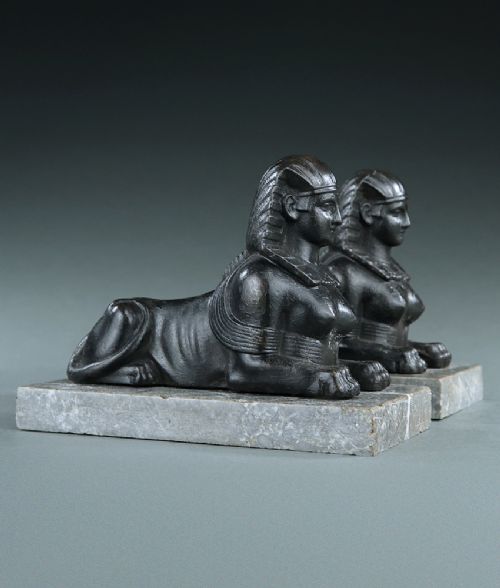
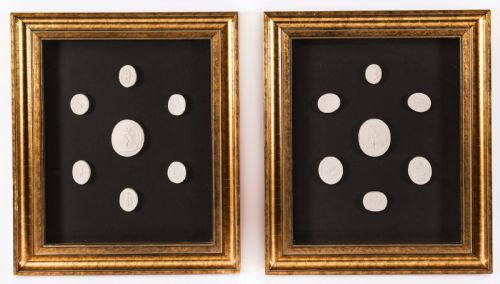
Framed collections of plaster intaglios and cameos represent the most frequent type of object seen here, often arranged in sets within wooden or giltwood frames. Alongside these, bronze models of well-known antiquities such as the Warwick Vase or the Canova lions appear regularly.
The periods represented stretch across the nineteenth century, including Victorian examples alongside pieces dated around eighteen hundred to nineteen twenty. Stylistic influences draw heavily on neoclassical design, alongside occasional Egyptian revival and Renaissance revival motifs.
How they were made
Plaster casts and intaglios were created using gypsum or plaster, poured into moulds taken directly from ancient engraved gems and sculptures. These delicate white reliefs were then mounted against velvet or fabric backgrounds and secured inside glass-fronted frames.
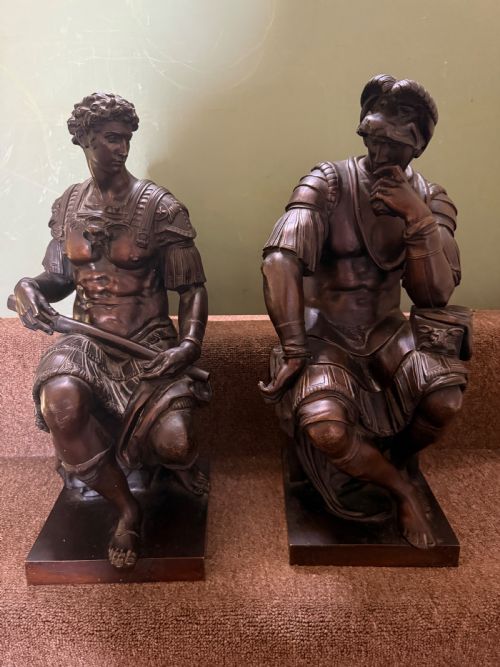
Bronze sculptures and decorative urns utilised traditional metal casting techniques, often finished with patination to mimic excavated antiquities. Some bronze works were paired with marble bases or incorporated gilt wood framing elements to enhance their display.
Listings feature materials including plaster, bronze, glass, marble, velvet, and giltwood across nineteenth-century and early twentieth-century periods.
What varies in quality
Quality in plaster intaglios depends on the crispness of the impression and the precision of the modelling, which reflects the skill of the original workshop. Finer sets exhibit sharp relief details and careful arrangement within bespoke frames lined with fabric.
In bronze figures and vases, the standard is determined by the fidelity of the casting to the antique source and the depth of the patination. Well-executed bronze pieces capture the subtle musculature and classical proportions derived from masterworks after Michelangelo or ancient Roman sculpture.
Giovanni Liberotti·Pietro Bracci
The Grand Tour Souvenir Casts Glossary
- Intaglio
- A gemstone, glass, or plaster cast carved or moulded with a sunken design so that the impression is raised in relief. These were frequently collected in large framed sets during the nineteenth century.
- Cameo
- A method of carving where a relief image stands out distinctly from a contrasting background. In souvenir collections, these often reproduce famous classical portraits or mythological scenes.
- Patination
- The natural or chemical surface coloration developed on bronze over time or applied by the maker. A careful patination gives metal sculptures an aged, museum-quality finish.
- Neoclassical
- A style spanning the eighteenth and nineteenth centuries that drew direct inspiration from the art and culture of classical antiquity. It forms the dominant aesthetic for these souvenir pieces.
- Gypsum
- A soft sulphate mineral used to create plaster of Paris for making detailed relief casts. It allows for high fidelity when reproducing ancient carved gems.
Grand Tour Souvenir Casts: Frequently Asked Questions
What are grand tour souvenir casts?
These items are nineteenth-century reproductions of classical art, architecture, and engraved gems collected by travellers on the continent. They include framed plaster intaglios, bronze vases, and miniature figures modelled after famous ancient antiquities.
Travellers used them to demonstrate their classical education and taste upon returning home. They served as portable museums, capturing the sculpture and history seen during European journeys.
How were framed intaglios displayed?
Framed intaglios were typically arranged systematically on velvet, silk, or fabric backgrounds inside protective glass-fronted wooden or giltwood cases. Makers often organised them in numbered rows like a cabinet of curiosities.
This method kept the fragile plaster casts clean and secure while allowing collectors to study dozens of classical intaglios at once. They functioned as both wall art and study collections.
How do I identify the period?
Dating relies on the framing materials, the style of the mounting, and the specific casting techniques used for the plaster or bronze. Nineteenth-century examples frequently feature specific period framing, such as deep giltwood or simple wooden shadow boxes.
Documentation or signature stamps on the reverse of plaster panels can sometimes link sets to known Roman workshops. Material patination and wear patterns also help confirm nineteenth-century production.
Were these made for tourists?
Yes, specialised workshops in Rome, Florence, and other cultural centres catered directly to foreign travellers undertaking the grand tour. Establishments produced varied sets of plaster casts and bronze models to suit different budgets.
Travellers could commission bespoke sets of intaglios depicting their favourite ancient sculptures or mythological figures. This created a thriving souvenir market across the nineteenth century.