




Grand Tour Marble Table
A grand tour marble table brings classical Italian taste home, offering intricate specimen stone mosaics set into solid timber bases.
What grand tour marble table pieces are
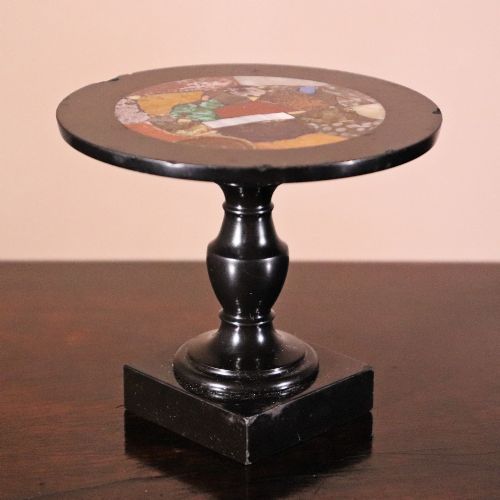
A grand tour marble table represents the classical taste acquired by travellers in Italy during the eighteenth and nineteenth centuries. These tables function as centre tables, occasional tables, coffee tables, and side tables within domestic settings.
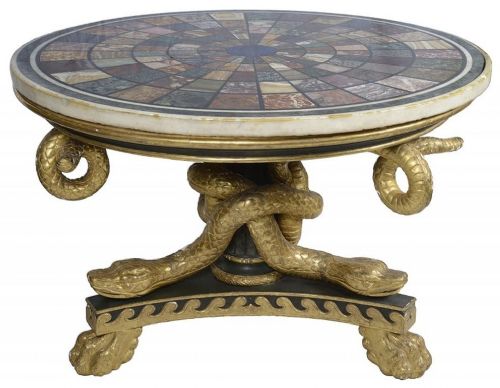
Most examples found here date from the eighteenth century through to the late nineteenth century. They combine heavy stone tops with supporting frames of mahogany, ebonised wood, parcel gilt, giltwood, slate, or satin birch.
How they were made
Craftsmen utilised various marbles and specimen stones to create intricate inlaid geometric or pictorial compositions for the table-tops. These stone surfaces were meticulously cut and fitted together before being mounted onto timber bases.
Supporting structures employed traditional cabinet-making methods using mahogany, ebonised wood, satin birch, and gilded or parcel-gilded frames. Slate occasionally provided structural stability beneath heavy stone surfaces.
Retail Price Guide 2026
Typical UK retail prices for grand tour marble table, calculated from the Sellingantiques database of over a million retail prices indexed since 2003. This retail price guide relies exclusively on Sellingantiques data; no external sources or auction records are used, so the figures do not describe the wider market.
Listings feature items from the eighteenth century, Regency period, and the nineteenth century up to 1870.
What varies in quality
The sophistication of the specimen marble inlay dictates the visual distinction of the piece, ranging from simple geometric arrangements to elaborate micro-mosaic roundels. Superior examples demonstrate exceptional precision in stone cutting and fitting.
The refinement of the supporting base, whether carved giltwood, parcel gilt, or figured mahogany, balances the weight and visual impact of the stone top. Finer execution in both the geological specimens and the timber joinery elevates the stature of the table.
The Grand Tour Marble Table Glossary
- Grand Tour
- A traditional journey through Europe, particularly Italy, undertaken by upper-class European young men as a part of their education. This practice resulted in the acquisition of classical antiquities and architectural models.
- Specimen Marble
- Various types of coloured and patterned marble gathered from different quarries and assembled into a single decorative composition. These stones showcase natural geological diversity.
- Micro-mosaic
- A decorative technique using tiny coloured glass or stone tesserae to create detailed miniature pictures. Such work frequently appeared on portable tabletop roundels brought back as souvenirs.
- Parcel Gilt
- A method where only specific carved portions of a wooden object are covered in gold leaf. This technique highlights particular decorative details against a dark timber or painted ground.
Frequently Asked Questions
What is a grand tour marble table?
These pieces are decorative tables featuring inlaid stone tops created in Italy for foreign travellers. They reflect classical architectural and artistic interests from the eighteenth and nineteenth centuries.
Craftsmen combined various geological specimens into intricate patterns, supported by wooden frames made from mahogany, satin birch, or gilded wood.
How were they used historically?
Travellers acquired these tables as tangible reminders of their cultural education in Italy. Once brought home, they served as display surfaces for smaller antiquities and conversation pieces in drawing rooms.
Their substantial stone tops and decorative bases demonstrated the owner's sophistication and familiarity with classical civilisation.
How do I live with one?
Place these tables away from direct heat sources and heavy moisture to protect the timber frames and stone inlays. Use coasters and protective felt under objects placed on the marble surface.
Allow the heavy stone top to anchor the room while pairing the piece with simple seating that complements the classical styling.
How do I tell periods apart?
Eighteenth-century examples often display simpler, bolder Italian stonework and heavier proportions. Regency and Victorian pieces from the mid-nineteenth century frequently incorporate finer micro-mosaic details and crisper cabinet-making.
Inspect the timber species used in the base, as satin birch, ebonised wood, and giltwood point towards specific nineteenth-century aesthetic movements.