


Grand Tour Candlesticks
Grand tour candlesticks bring the sculpture and architecture of classical antiquity into the home through small bronze and marble casts.
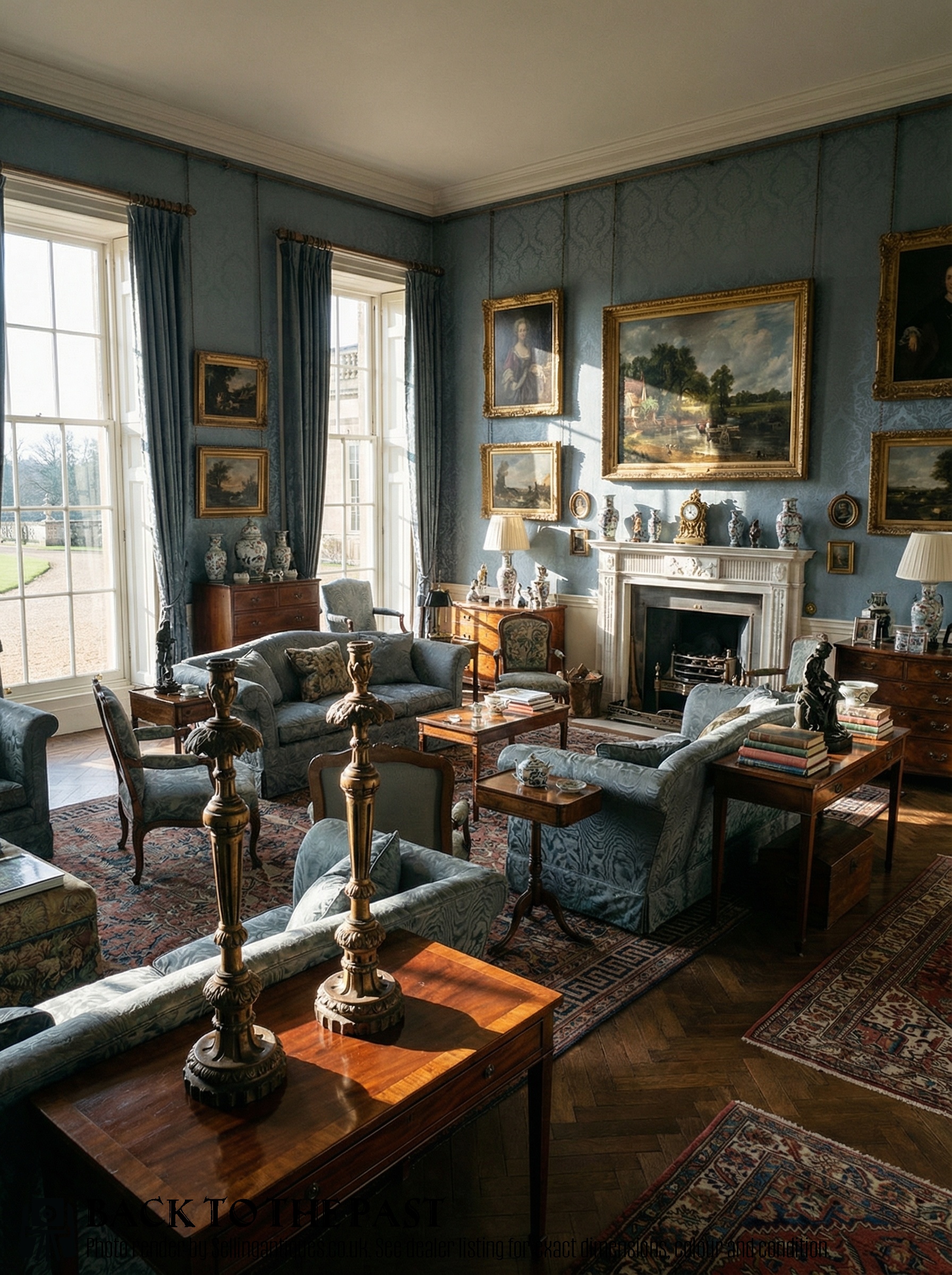
Grand Tour Candlesticks
Grand tour candlesticks are decorative lighting pieces created as souvenirs and works of art for travellers exploring the classical sites of Europe during the nineteenth century and earlier. Buyers searching this phrase will find figurative works cast in metal and mounted on stone bases.
The versions most commonly met on this page include pairs of bronze figures, marble chambersticks, and elaborate candelabra incorporating mythological motifs. These objects translate monumental antiquities into domestic scale.
Origins span Italian workshops reproducing classical statues and columns alongside British and European interpretations of Greco-Roman and Egyptian styles. Each piece reflects the nineteenth century fascination with archaeological discovery.
How they were made
Metal components rely on bronze, brass, and gilt bronze, often highlighted with ormolu to catch the candlelight. These metals are cast using traditional foundry methods before receiving meticulous surface finishing and patination.
Bases and structural elements frequently combine white or coloured marble and stone with carved wood and gesso. Certain examples incorporate delicate decorative details such as cloisonné and micro mosaic work.
Listings feature items spanning the nineteenth century alongside later twentieth century interpretations in bronze, marble, and gilt-wood.
What varies in quality
The distinction between ordinary and exceptional pieces lies in the crispness of the casting and the depth of the chasing on figurative elements. Finer examples display precise anatomical detail in putti, maidens, and caryatids.
Material selection and combination dictate overall presence, where dense sculpted marble bases and rich fire gilding elevate an object far above simpler brass alternatives.
The Grand Tour Candlesticks Glossary
- Grand Tour
- A traditional trip through Europe, chiefly Italy, undertaken by wealthy young men in the eighteenth and nineteenth centuries to study classical art and culture. Souvenirs collected along the route formed the basis for these decorative objects.
- Ormolu
- Gilt bronze produced by applying a finely ground high-carat goldmercury amalgam to a bronze object before firing. This technique creates a rich, durable golden surface.
- Caryatid
- A sculpted female figure serving as an architectural support taking the place of a column or pillar. These figures frequently form the structural shaft of candlesticks and lamps.
- Chamberstick
- A short candlestick fitted with a wide drip pan and a handle for carrying from room to room in a house. These portable lighting devices are often executed in marble or cloisonné.
- Greco-Roman Revival
- An artistic movement drawing direct inspiration from the art and architecture of ancient Greece and Rome. This aesthetic dominates the figurative design of nineteenth century metalwork.
Grand Tour Candlesticks: Frequently Asked Questions
What are grand tour candlesticks?
Grand tour candlesticks are decorative lighting objects fashioned in the nineteenth century to commemorate travels through Europe. They frequently incorporate classical bronze figures and marble columns.
These pieces served both a practical lighting function and a scholarly display purpose for collectors of antiquities.
How were grand tour pieces used?
They were displayed on mantelpieces, side tables, and desks to illuminate rooms while demonstrating the owner's cultural education and refined taste.
Many examples functioned as conventional candlesticks or chambersticks, while larger candelabra provided multi-point illumination for formal interiors.
How do I identify nineteenth century pieces?
Nineteenth century examples show distinct casting characteristics, patination methods, and material combinations typical of European foundries from that era. Look for natural wear to the bronze and authentic ageing on marble bases.
Stylistic markers such as Greco-Roman and Egyptian revival motifs help place the object firmly within the nineteenth century design period.
How do I care for bronze and marble?
Bronze and gilt bronze require only gentle dusting with a soft, dry cloth to prevent the accumulation of dirt. Avoid using harsh chemical cleaners that can strip historic patination.
Marble bases should be kept dry and protected from acidic liquids which can etch the polished stone surface over time.