
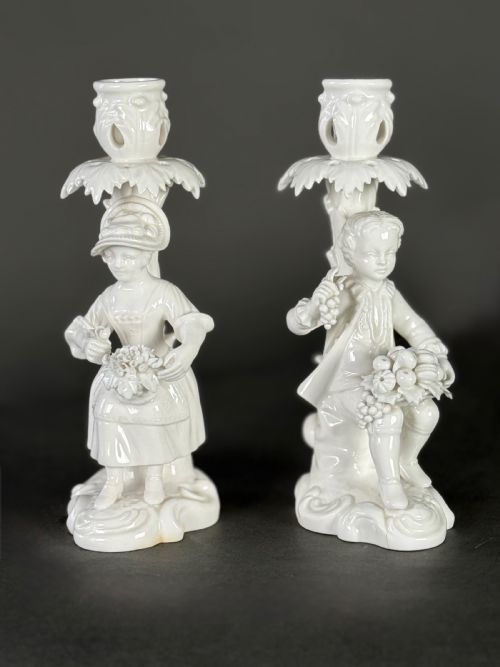


18th Century Style Candlesticks
18th century style candlesticks bring classic proportion and striking illumination to a room, drawn from eras of rich ornamentation and fine craftsmanship.
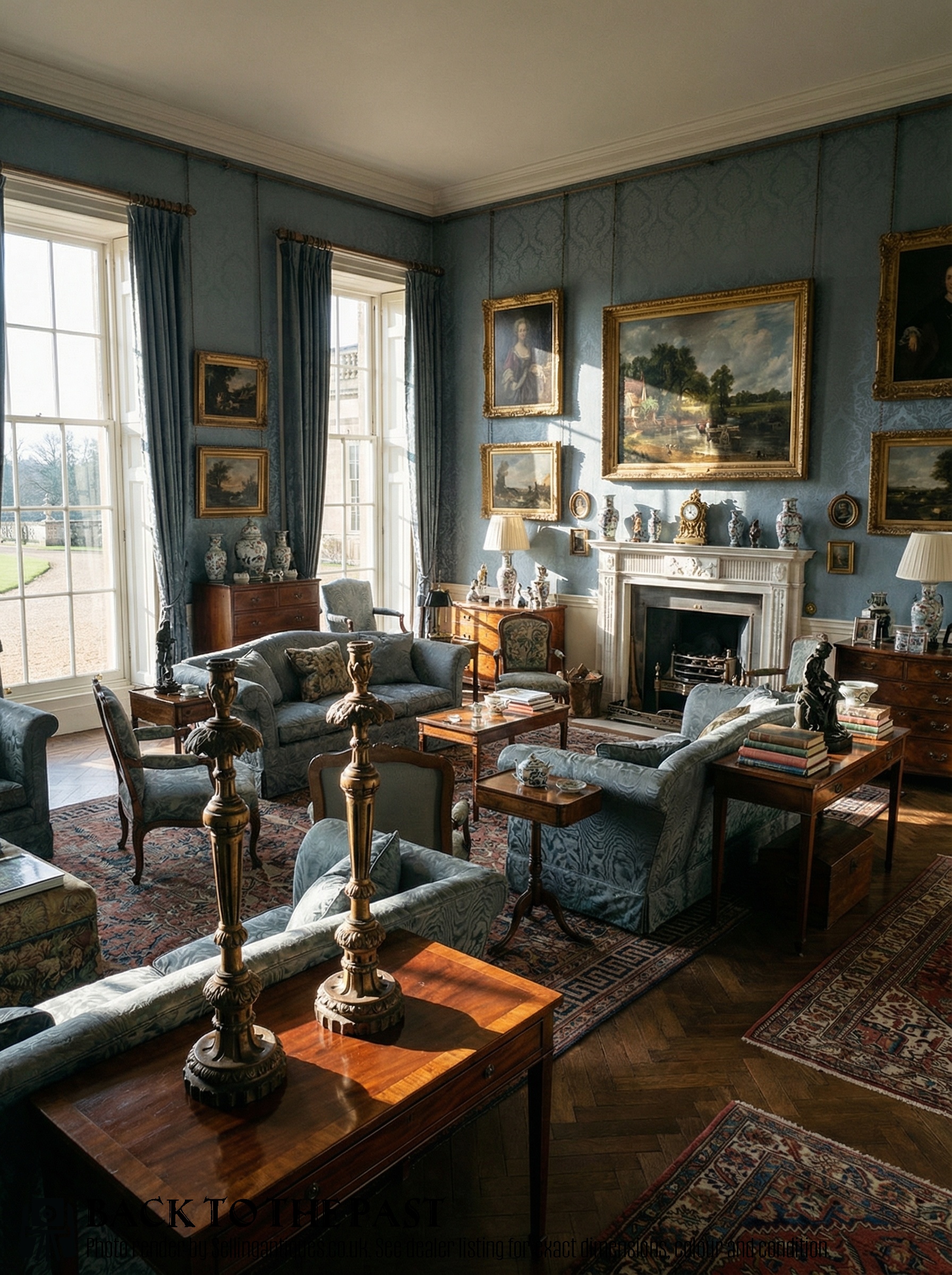
18th Century Style Candlesticks
When you search for 18th century style candlesticks, you encounter pieces designed to evoke the grandeur and domestic elegance of the Georgian and Rococo periods. The selection on this page ranges from authentic period works to later revivals, reflecting enduring tastes for classical lighting.
You are most likely to meet pairs fashioned from brass, giltwood, or hard-paste porcelain, reflecting the varied materials utilised across the eighteenth and nineteenth centuries. Forms vary from traditional altar-style candle holders to elaborate candelabra fitted with porcelain figures and ormolu mounts.
How They Were Made
Makers of these items utilised traditional methods such as carving wood and applying silvered mecca finishes or gilding to create rich surfaces. Brass examples were cast in shaped columns, whilst porcelain pieces relied on hard-paste ceramic bodies shaped into figures and animals.
Combination materials appear frequently, pairing giltwood with silvered accents or mounting Meissen porcelain figures in ormolu frames. These techniques required specialist joinery, metalwork, and ceramic firing to achieve the substantial proportions seen in altar-type and table lighting.
18th Century Style Candlesticks Retail Price Guide 2026
Typical asking prices for 18th century style candlesticks among the pieces listed under this phrase on Sellingantiques today, from the lower quarter to the upper quarter. They describe what is for sale here now, not the wider market.
Certain porcelain pairs feature seated musicians and dogs sharing the base with candle sockets, bringing unexpected character to the table.
What Varies in Quality
The distinction between ordinary and exceptional examples rests in the crispness of the carving and the purity of the materials. Finely rendered giltwood and detailed hard-paste porcelain display a depth of modelling that marks out superior workshop output.
Surface finish and material integrity dictate the overall presence of a piece. Original gilding, careful silvering, and substantial cast brass retain their visual impact far better than later, simplified reproductions.
The 18th Century Style Candlesticks Glossary
- Giltwood
- Wood that has been coated with gold leaf or a gold-coloured substance. This finish provides a luminous surface popular in baroque and neoclassical decorative arts.
- Hard-Paste Porcelain
- A durable ceramic composition fired at high temperatures using kaolin and petuntse. It allows for crisp moulding and detailed enamel painting.
- Ormolu
- Finely ground high-carat gold applied to a bronze base using a mercury-gilding process. It creates a rich, metallic lustre often used for mounts and decorative details.
- Mecca
- A traditional translucent golden varnish applied over silver or tin leaf on wood. It mimics the appearance of true gilding with a distinctive warmth.
18th Century Style Candlesticks: Frequently Asked Questions
What materials are common in these candlesticks?
The listings demonstrate a heavy reliance on cast brass, carved wood, and hard-paste porcelain. Many incorporate giltwood finishes or silvered mecca treatments.
Combined media also appear, notably porcelain figures mounted in ormolu or silver-plated metal frameworks.
Are these pieces from the eighteenth century?
The selection includes genuine eighteenth-century items alongside nineteenth-century revivals and later interpretations. Makers across different decades recreated these classic styles.
Materials, construction methods, and stylistic cues help distinguish original period production from later pieces.
How were altar-style candlesticks used?
Altar-type candle holders were originally designed for liturgical spaces, providing tall and imposing illumination. Their impressive proportions made them suitable for ceremonial settings.
Over time, similar architectural forms were adapted for grand domestic interiors and decorative display.