
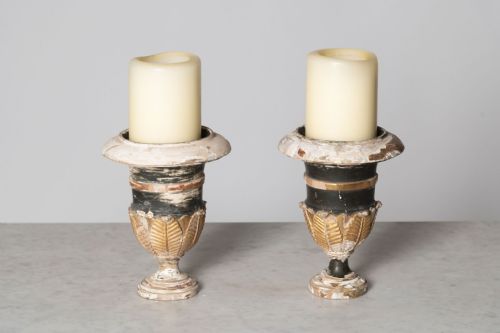


Carved Wood Candleholders
Carved wood candleholders bring warmth and historic character to a room, ranging from grand altar-type candlesticks to rustic folk art pieces.
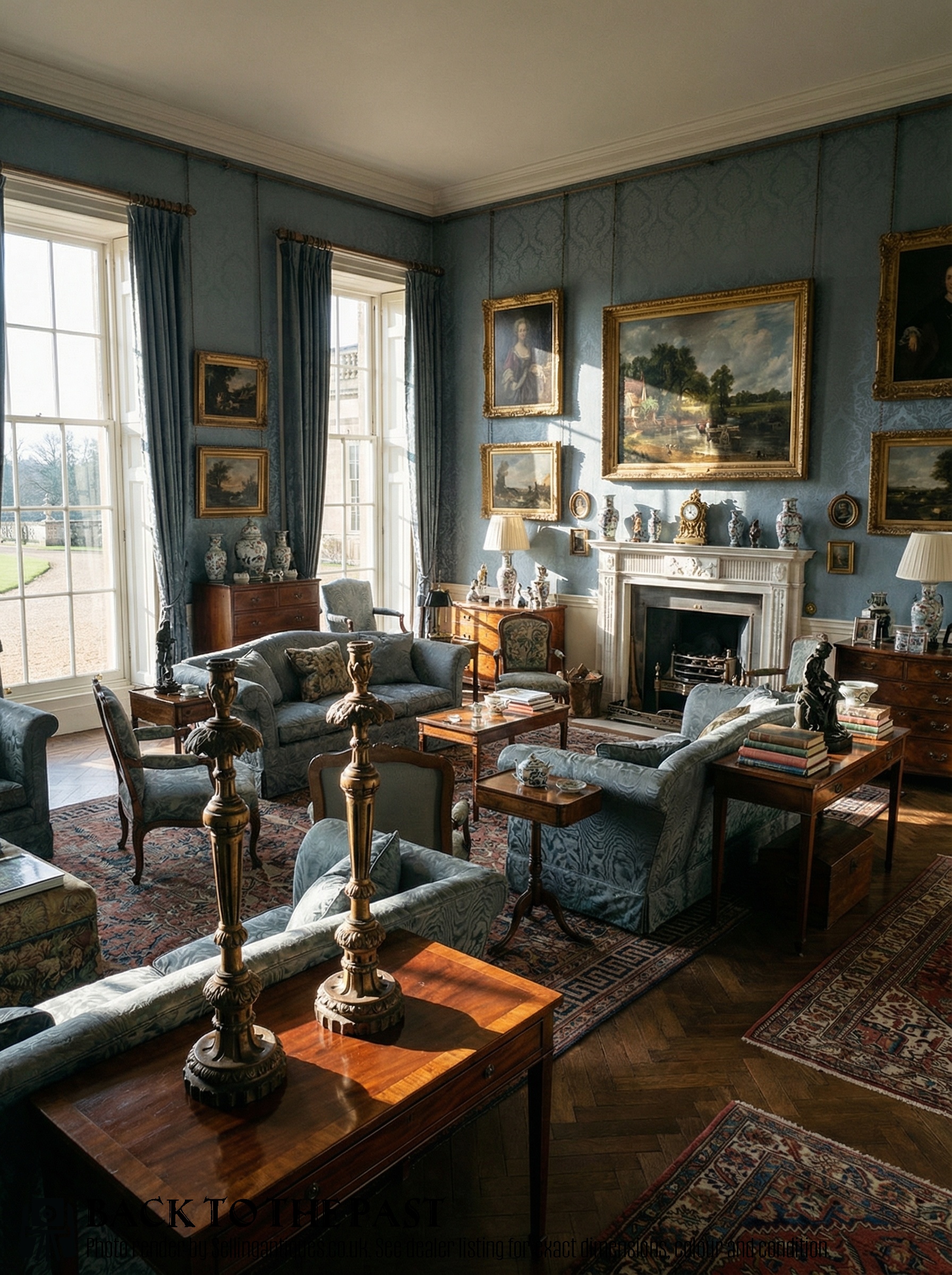
Carved Wood Candleholders
Carved wood candleholders encompass a diverse array of lighting pieces, from 18th century baroque altar sticks to sturdy early 20th century oak barley twists. When exploring carved wood candleholders, buyers most frequently encounter pairs of candlesticks, alongside wall sconces, torcheres, and figural candelabras.
The selections span distinct periods and aesthetics, including Italian Neoclassical, French Chateau, Jacobean Revival, and folk art expressions. Many examples incorporate traditional forms, such as altar-style sticks and column candlesticks, reflecting domestic and ecclesiastical origins across English, French, Italian, and Indian craftsmanship.
How they were made
Makers shaped these items primarily from solid timbers like oak, mahogany, and assorted hardwoods, often applying gesso to smooth surfaces before gilding or painting. Artisans utilised hand-carving techniques to create deep relief details, twisted shafts, and figural motifs.
Finishes frequently involved gold leaf, silvering, mecca silvering, and polychrome paint. Metal components such as brass tops and sconces were regularly added to protect the timber from melting wax and heat.
The listings span periods from the 18th century up to 1920, incorporating materials such as gesso, giltwood, mahogany, oak, and brass.
What varies in quality
The definition and depth of the hand-carving separate standard turned items from superior sculptural works, particularly in architectural acanthus leaves and figural details. Crisp execution in gesso layers and the preservation of original gilding or paint surfaces determine the distinction between ordinary production and finer artisan output.
Proportion and scale dictate the visual impact of larger pieces like altar sticks and torcheres, where balanced turning and substantial timber presence elevate the object. The integration of period-appropriate brass hardware also marks superior craftsmanship.
The Carved Wood Candleholders Glossary
- Giltwood
- Wood that has been coated with a thin layer of gold leaf. This technique is frequently seen on baroque and neoclassical altar candlesticks.
- Barley Twist
- A sculptural column shape resembling a twisted rope or barley stalk. It is a common feature on 17th century revival and early 20th century oak candlesticks.
- Torchere
- A tall ornamental stand or candlestick designed to hold a light source high. Examples range from monumental Georgian mahogany pieces to Italian carved supports.
- Mecca
- A warm translucent varnish applied over silver leaf to simulate the rich tone of gold. Italian artisans often used this finish on church-style candleholders.
Carved Wood Candleholders: Frequently Asked Questions
How do I clean wooden candleholders?
Dust gently with a soft dry cloth to protect fragile giltwood or painted surfaces. Avoid liquid cleaners and damp cloths, which can damage historic finishes.
Keep pieces away from direct heat sources and open flames that might scorch the timber or dry out the wood.
How can I tell the period?
Examine the tool marks, timber selection, and construction methods visible on the underside or socket. Turned oak pieces often point to revival styles of the early twentieth century, while deep carving and gesso grounds suggest eighteenth or nineteenth century origins.
Stylistic cues such as baroque scrollwork or neoclassical proportions provide additional clues to the date.
What is an altar-type candlestick?
Altar-type candlesticks are substantial candleholders originally designed for ecclesiastical settings like churches and chapels. They typically feature heavy proportions, stepped bases, and giltwood or silvered finishes.
Many surviving examples date from the eighteenth and nineteenth centuries in Italian and continental styles.