

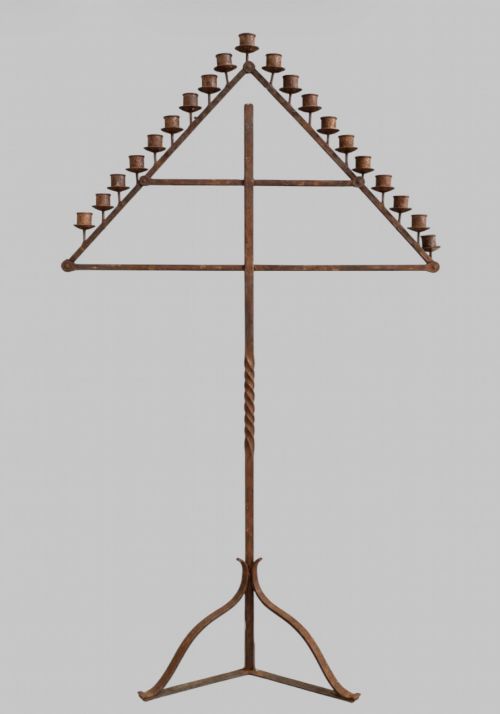


Antique Tall Candleholders
These antique tall candleholders bring height and architectural presence to a room, largely appearing in brass and silver-plated forms from the Victorian and Georgian eras.
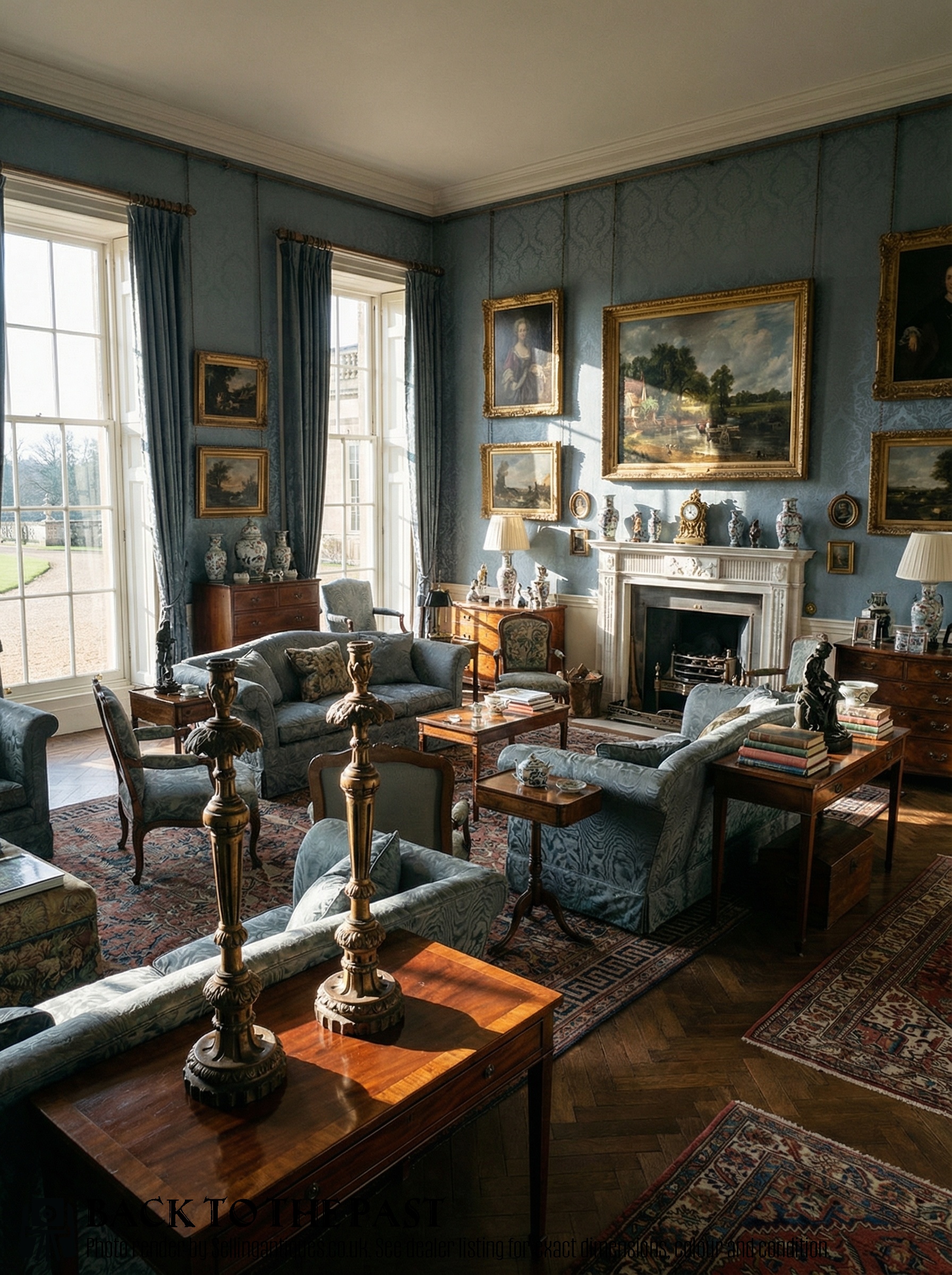
Antique Tall Candleholders
When searching for antique tall candleholders, buyers encounter substantial lighting pieces designed to elevate light sources above furniture level. These include church sticks, column forms, and floor-standing varieties that served ecclesiastical or grand domestic functions.
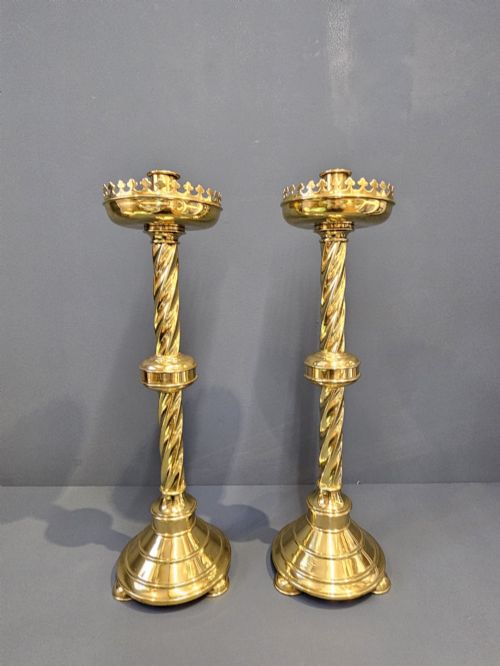
The selection here leans heavily towards Victorian and nineteenth-century brass examples, alongside Georgian designs, Italian giltwood altar pieces, and silver-plated wares. Pairs dominate the offerings, matched in height and turning to create a formal symmetry.
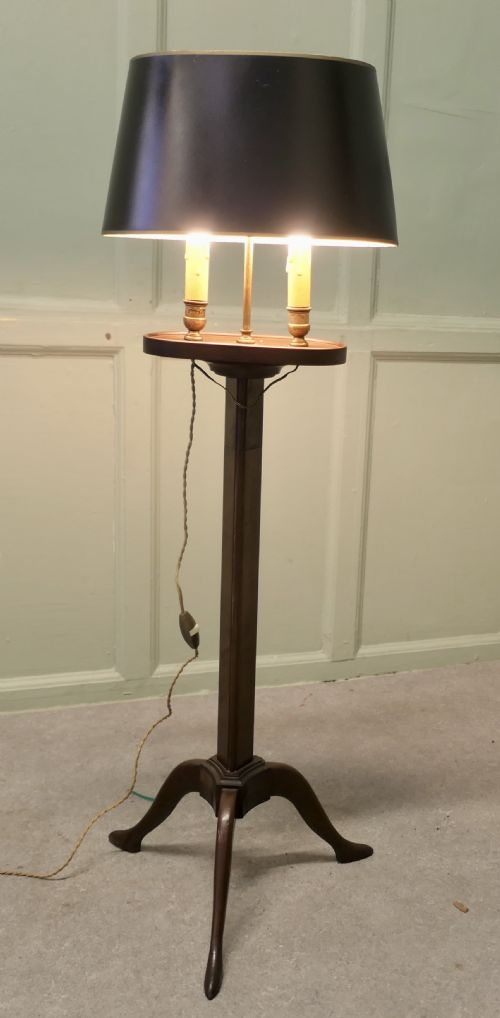
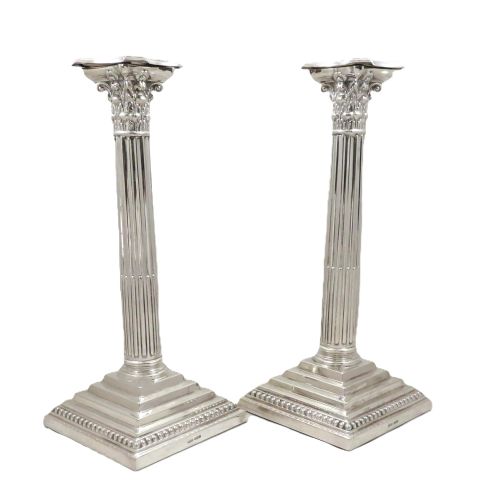
Forms stretch from slender Corinthian columns and turned wooden shafts to heavy ecclesiastical prickets and multi-candle floor candelabra. Each variant reflects the domestic or institutional lighting needs of its period.
How they were made
Metals form the core of the selection, with brass cast in sections and turned on lathes, then joined with threaded fittings or pins. Bronze and silver-plate over copper or base metals utilise casting and plating techniques common to nineteenth-century workshops.
Wooden examples rely on hand-turning, carving, and gesso application, sometimes finished with silvered mecca or polychrome paint. Wrought iron pieces demonstrate blacksmithing techniques, employing forged joints and structural scrolls for heavy floor-standing lighting.
Architectural forms on this page range from classical Corinthian columns to ecclesiastical prickets and Italian altar-style candlesticks.
What varies in quality
Substantial weight and gauge of metal distinguish the better brass and silver-plated pieces from lighter mass-produced alternatives. Crispness of cast detail, such as fluting on columns or acanthus leaves on capitals, shows the skill of the original maker and the condition of the mould.
Proportion and structural integrity matter greatly in tall items, where a well-balanced weighted base ensures stability. The quality of surface finish - whether original patinated brass, hand-carved giltwood, or untouched turned mahogany - retains the visual integrity of the object.
James Clews
The Antique Tall Candleholders Glossary
- Pricket
- A sharp metal spike set in the drip pan to secure a candle, commonly found on church and altar sticks.
- Sconce
- The socket at the top of a candlestick designed to hold the base of the candle secure.
- Corinthian column
- A classical architectural order featuring ornate capitals decorated with acanthus leaves, frequently imitated in metal candlesticks.
- Mecca
- A traditional Italian translucent golden varnish applied over silver leaf or silvered wood to imitate true gilding.
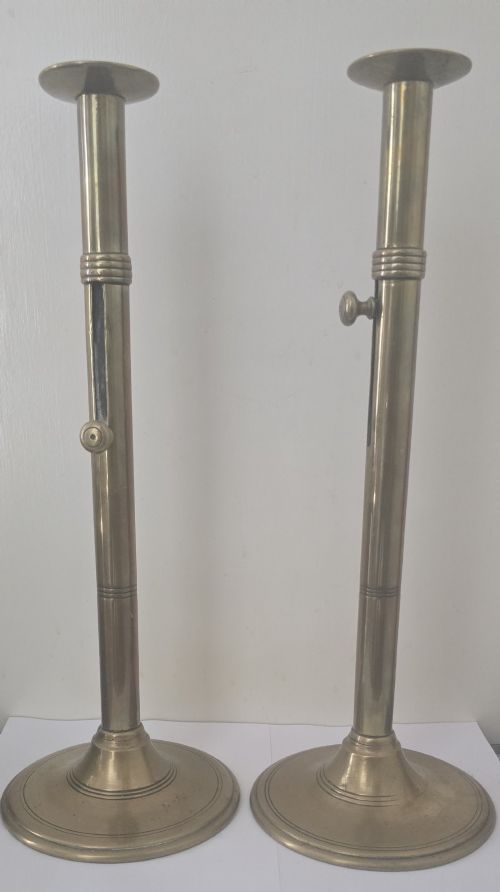
- Side ejector
- A mechanical lever fitted to the stem of a brass candlestick to push out the remaining candle stub.
Antique Tall Candleholders: Frequently Asked Questions
How do I clean antique brass candlesticks?
Warm soapy water and a soft cloth remove surface dirt without disturbing the underlying oxidation. Avoid harsh chemical polishes that strip away age and character.
Patina develops over centuries and forms an essential part of the object's visual history. Gentle dusting preserves the metal better than aggressive rubbing.
Were these tall candleholders used on floors or tables?
Height dictates placement, with standard tall pairs sitting on sideboards, mantelpieces, or altars. Floor lamps and heavy prickets stood directly on the floor to illuminate larger spaces.
Domestic rooms relied on table placement for reading, while ecclesiastical versions elevated light for ceremonies. Proportions usually clarify the intended surface.
How do I date a brass candlestick?
Manufacturing methods reveal age, as early pieces feature sand-cast components with uneven thickness and file marks. Later nineteenth-century items often show machine-turned threading and more uniform wall thickness.
Base construction and tool marks tell the story of production shifts from hand craftsmanship to industrial output. Examining the underside provides clear clues to the period.
What is the difference between silver-plated and sterling silver?
Sterling silver consists of solid precious metal throughout, marked with official assay office hallmarks indicating purity and origin. Silver-plated items apply a thin layer of silver over a base metal such as copper or brass.
Sheffield plating involves fusing a silver sheet onto a copper core before forming the candlestick. Hallmarks appear only on solid silver pieces, whereas plated items bear maker marks or patent stamps.