



Gothic Revival Window
These gothic revival window pieces bring architectural character and historic glass into a room with genuine presence.
Gothic Revival Window
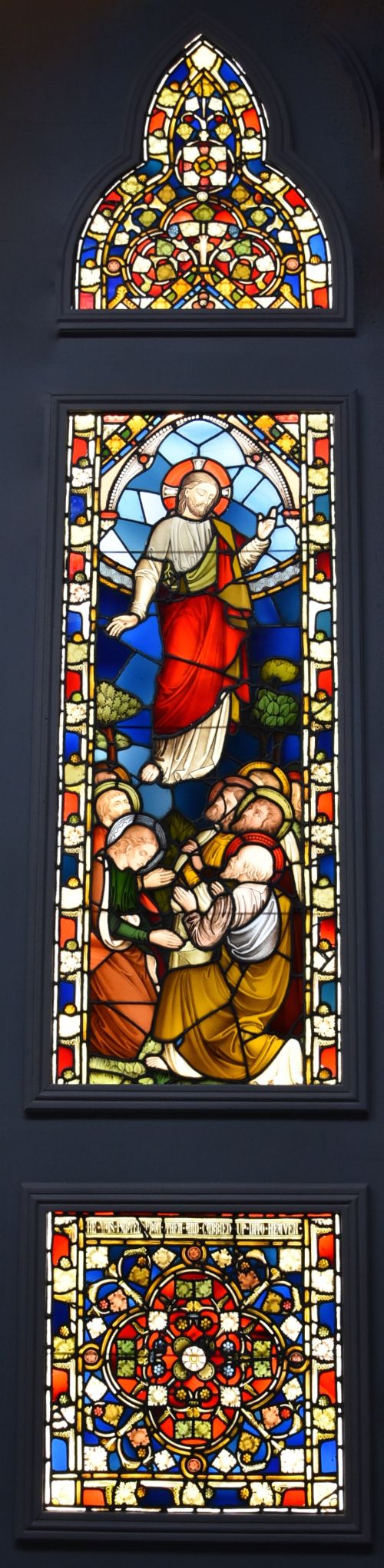
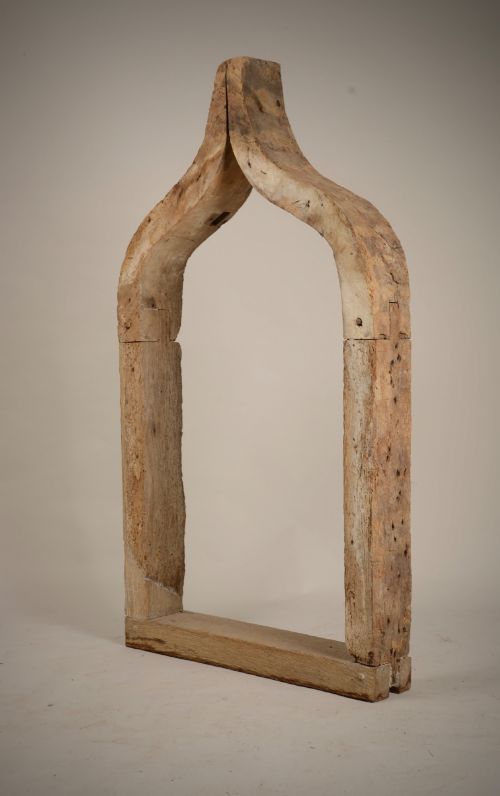
When you search for gothic revival window, you encounter architectural salvage, stained glass panels, and dedicated seating designed to frame or echo medieval ecclesiastical forms. The selection ranges from pre-sixteenth century frames to nineteenth century interpretations in oak, pine, and walnut.
You are most likely to meet nineteenth century stained glass windows, church tracery panels, and oak window seats or benches shaped by Victorian and Arts and Crafts ideals. These objects bridge interior furnishing and structural salvage, drawing heavily on medieval church architecture.
The assortment spans diverse utilitarian and decorative forms, including church windows, hall benches, framed mirrors, and painted glass panels. Each piece reflects the nineteenth century fascination with Gothic, Reformed Gothic, and Aesthetic Movement designs.
How they were made
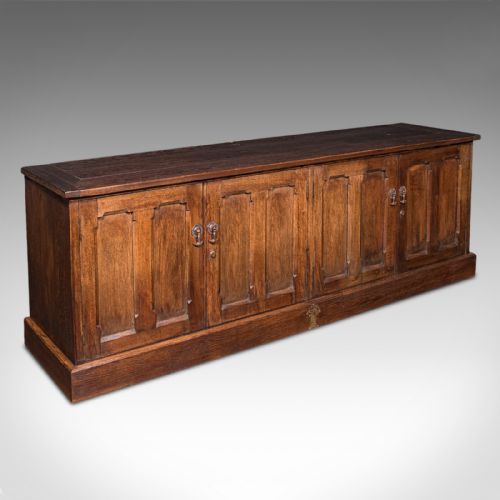
Maker workshops utilised solid oak, walnut, and pine, shaping heavy timbers through traditional carving, joinery, and turning. Structural elements often incorporate burr elm or brass fittings to accent the dark timber frames.
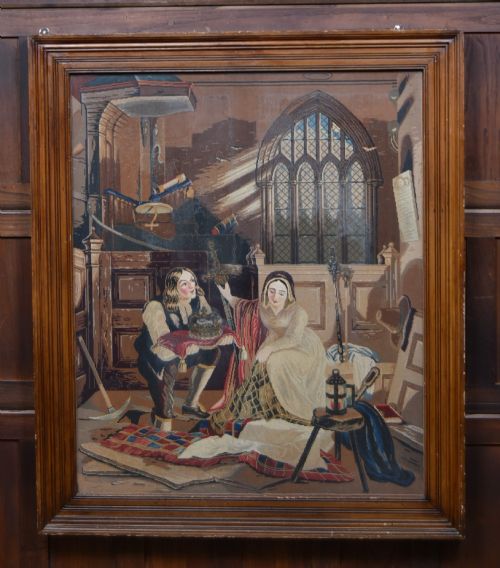
Stained and leaded glass panels rely on hand painting and lead cording to secure coloured panes within stone or wooden arches. Artisans built architectural tracery and church window frames to withstand structural weight while displaying intricate geometric patterns.
Listings feature nineteenth century oak benches, leaded glass panels, and walnut window stools spanning Victorian and Arts and Crafts styles.
What varies in quality
The distinction between standard production and exceptional work rests on the depth of the timber carving and the complexity of the tracery. Pieces exhibiting hand-painted pictorial detail in the glass or refined architectural joinery command greater attention.
Original material integrity and the retention of authentic leadwork or period upholstery dictate the overall character of an item. Greater subtlety in the Puginesque or Reformed Gothic styling separates accomplished workshop output from simpler vernacular items.
GIllows·Sir Edward Burne-Jones
The Gothic Revival Window Glossary
- Tracery
- The stonework or wooden framing supporting glass in a window, often taking complex geometric or flowing forms. It defines much of the ecclesiastical aesthetic seen in these pieces.
- Stained glass
- Glass coloured by the addition of metallic oxides during its manufacture, frequently painted and fired before being assembled with lead cording. This technique forms the pictorial panels found in church windows.
- Reformed Gothic
- A nineteenth century design movement advocating simpler, sturdier furniture forms that exposed construction joints rather than masking them. It represents a rationalised approach to medieval revivals.
- Ecclesiastical
- Relating to the Christian Church or its clergy, describing items originally constructed for use in cathedrals, chapels, or abbeys. Much of the architectural salvage originates from such settings.
- Lead cording
- Flexible strips of lead used to hold individual pieces of glass together in a window panel. The network of cording forms part of the visual design as well as the structural support.
Gothic Revival Window: Frequently Asked Questions
What is a gothic revival window seat?
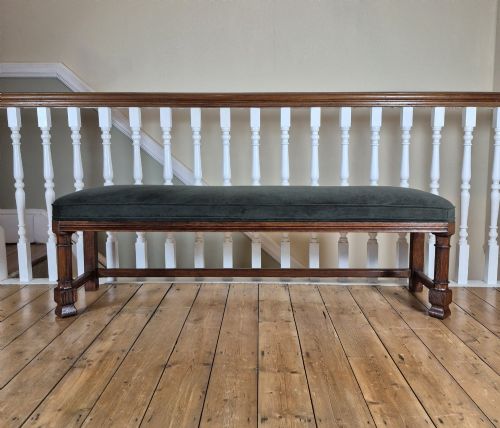
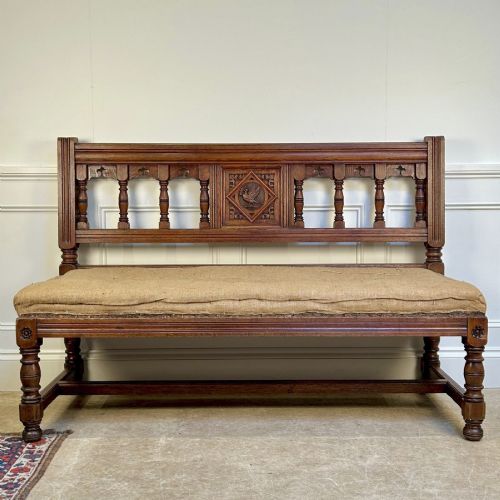
A gothic revival window seat is a bench or stool built to fit beneath a window recess, incorporating pointed arches, linenfold panels, or tracery motifs drawn from medieval architecture.
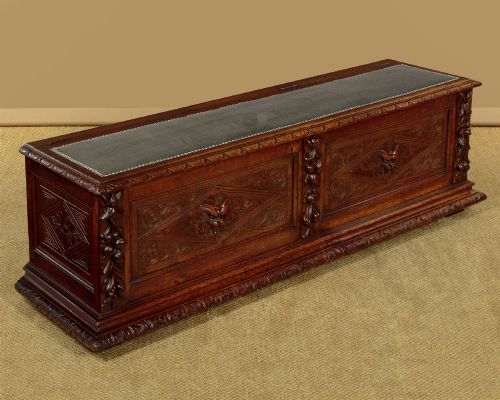
These pieces often double as hall benches or blanket boxes, constructed in solid oak or walnut to match the heavy woodwork of nineteenth century interiors.
How do I hang a stained glass panel?
Stained glass panels require secure chain or bar supports fixed directly into window frame masonry or heavy timber studs to bear the weight safely.
Because leaded panels flex under their own gravity, professional framing and weight-distribution brackets protect the historic solder joints from sagging over time.
What defines a Puginesque mirror?
A Puginesque mirror follows the architectural design principles championed by Augustus Pugin, featuring strict Gothic Revival geometry, pointed arches, and polished oak surfaces.
These mirrors translate stone church details into domestic woodwork, serving as focal points in Victorian halls and libraries.
Are these architectural pieces original salvage?
Many items originate as salvaged church windows, timber tracery panels, or ecclesiastical seating rescued from nineteenth century restorations and demolitions.
Others are domestic revival pieces built by Victorian cabinet makers to replicate medieval church furnishings for private homes.