


Gothic Revival Brass Lighting
Gothic revival brass lighting brings ecclesiastical form and warm metal into domestic spaces, offering enduring architectural character through candlesticks, lanterns and chandeliers.
Gothic Revival Brass Lighting
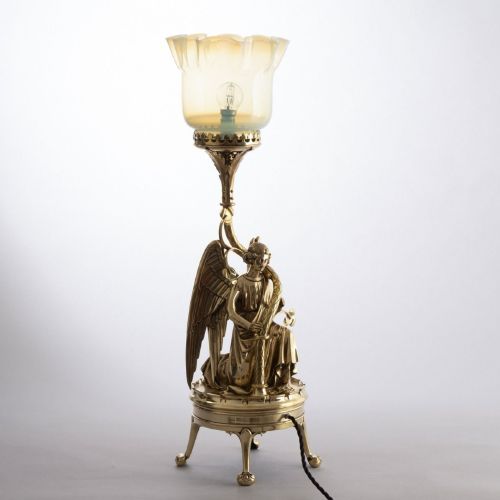
These pieces encompass lighting fixtures produced across the nineteenth and twentieth centuries, taking inspiration from medieval architecture and ecclesiastical design. When searching for gothic revival brass lighting, a buyer encounters domestic adaptations of church metalwork alongside actual altar pieces.
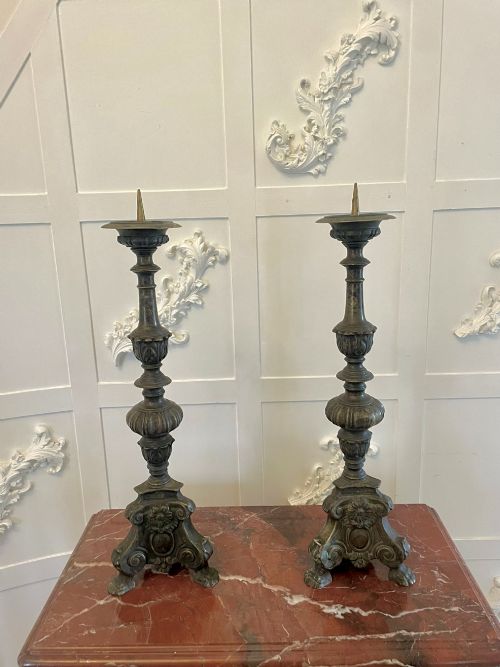
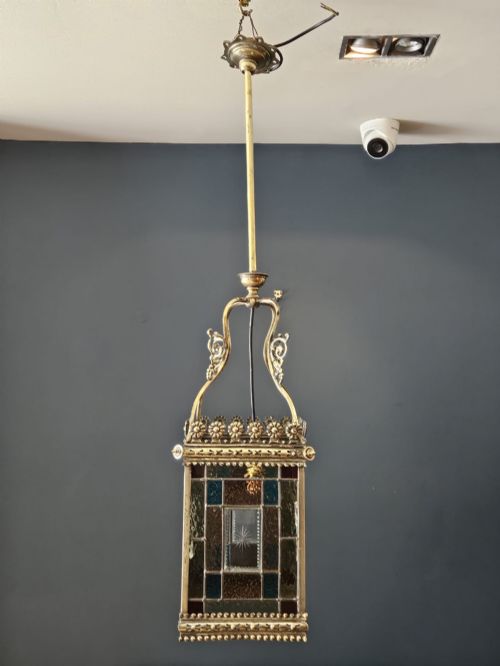
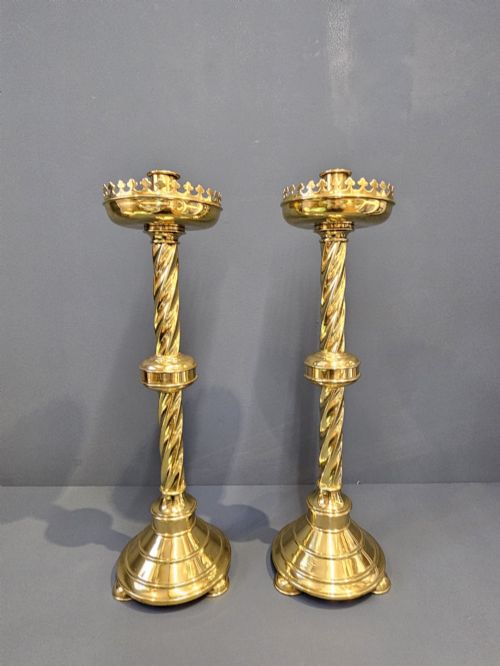
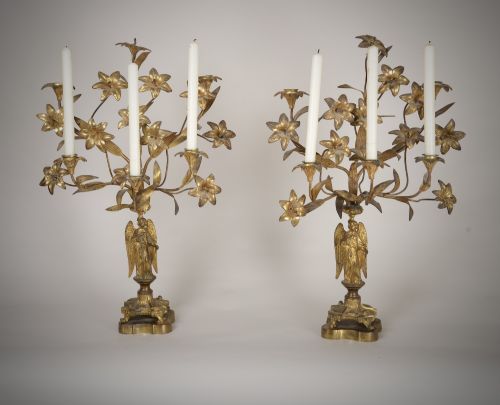
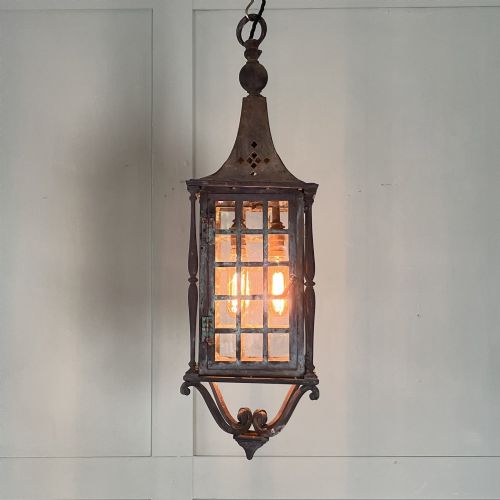
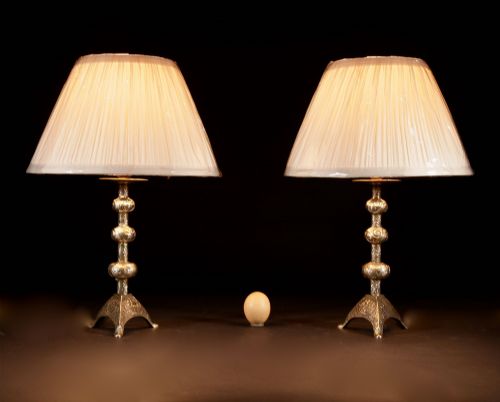
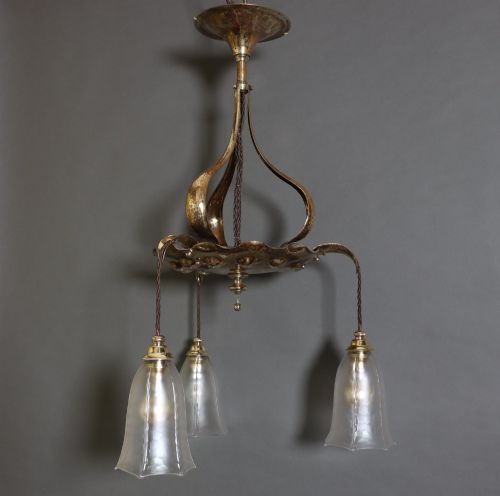
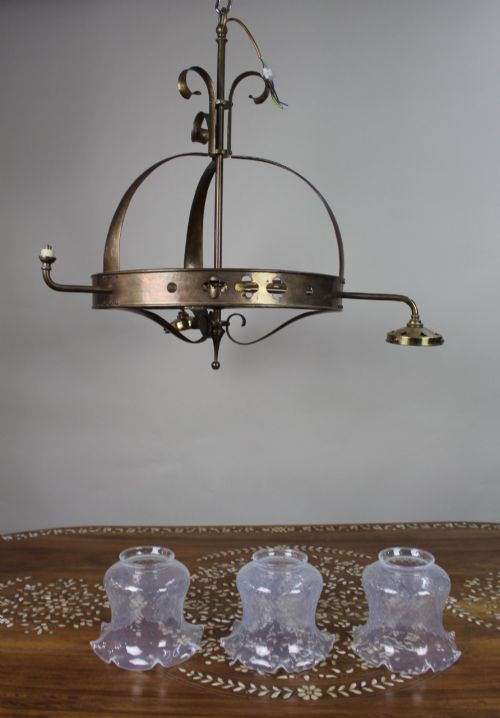
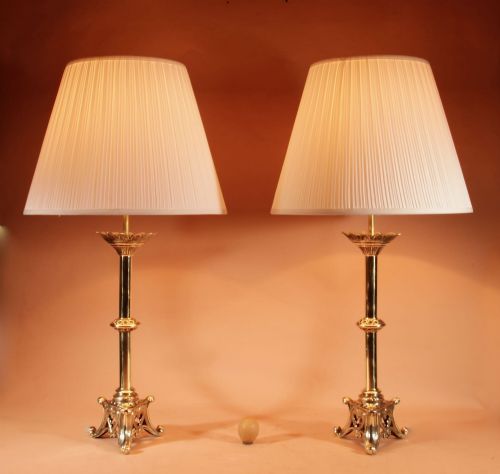
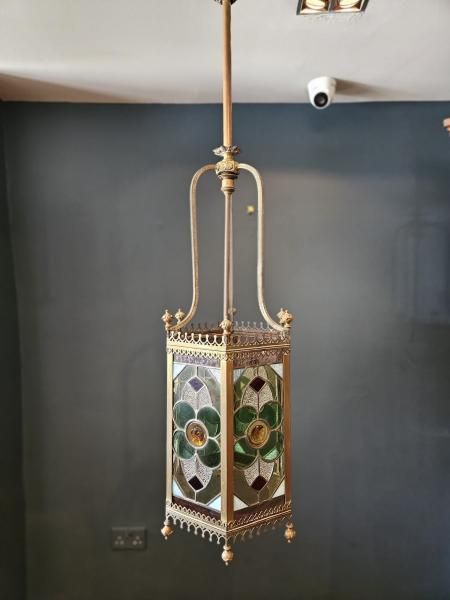
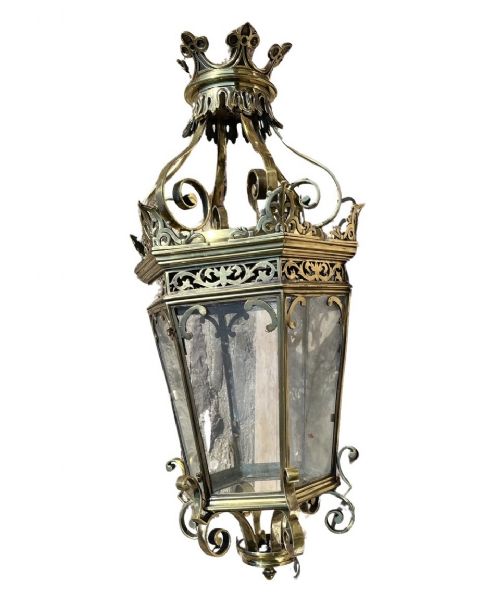
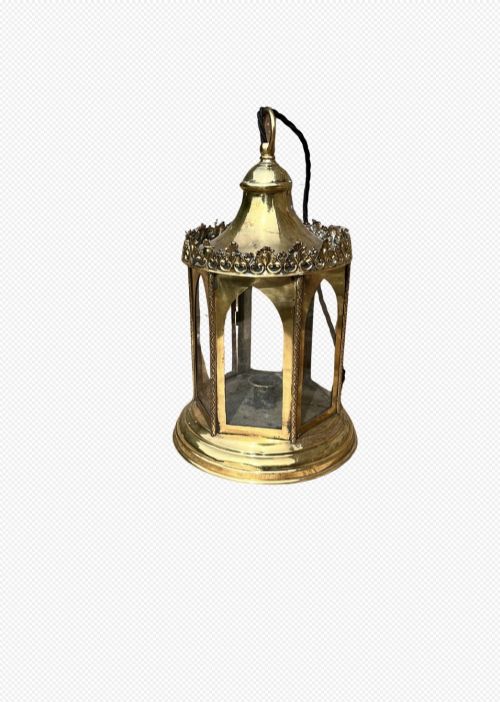
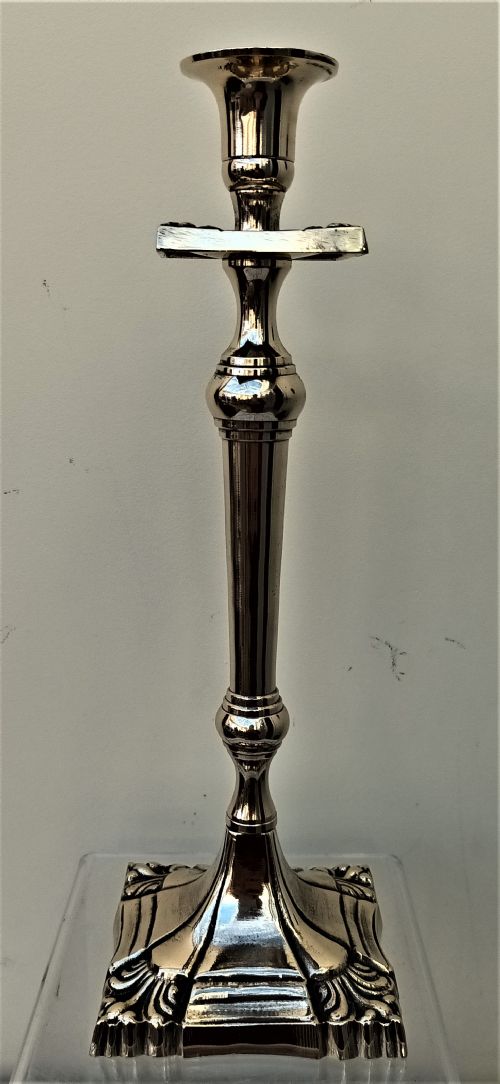
The selection on this page centres heavily on Victorian church candlesticks, hall lanterns with leaded or coloured glass, and multi-armed gasoliers or chandeliers. Candlesticks and heavy pricket forms dominate the inventory, accompanied by ceiling lights and wall sconces.
Objects span from the mid-nineteenth century through the Edwardian era and into later revival phases of the nineteen-twenties and thirties. Domestic lighting sits alongside ecclesiastical survivals converted later for electrical use.
Materials and construction
Brass serves as the primary structural material, utilised both in cast and sheet forms to create rigid frames, heavy bases and intricate ornamentation. Bronze, gilt brass and wrought iron appear alongside copper and treen accents in specific pieces.
Glass elements such as vaseline glass, opalescent shades and leaded panels integrate directly into lanterns and lamp bodies. Assembly methods rely on heavy casting, riveting and articulated joints rather than simple soldered construction.
Several heavy ecclesiastical candlesticks weigh enough to double as sturdy domestic security devices if an unexpected medieval intruder calls.
Judging quality in metalwork
Quality rests upon the crispness of the casting and the thickness of the brass utilised in the body and base. Heavy, substantial gauge metal indicates a piece built to withstand ecclesiastical use rather than lighter domestic imitation.
Design integrity separates standard production from superior examples, visible in the balance of proportions and the fidelity of architectural motifs such as tracery, trefoils and crockets.
Wm. Tonks & Sons·Dr Christopher Dresser
The Gothic Revival Brass Lighting Glossary
- Pricket candlestick
- A candlestick featuring a sharp metal spike at the top designed to impale and secure a wax candle.
- Gasolier
- A multi-branched ceiling light fixture originally designed and wired for gas lighting before later conversion to electricity.
- Vaseline glass
- A type of glass containing uranium dioxide that produces a distinctive yellow-green fluorescence under ultraviolet light.
- Ecclesiastical
- Relating to the Christian Church or its clergy, describing items originally commissioned for use inside a church or cathedral.
- Tracery
- Openwork ornamental stone or metal pattern associated with Gothic windows, often replicated in the metal frames of lanterns.
Gothic Revival Brass Lighting: Frequently Asked Questions
How do I wire an old brass candlestick?
Conversion usually involves running a slender flex through a drilled channel or alongside the stem, fitted with a custom sleeve to hold a modern bulb holder safely.
Because many surviving pieces were originally solid or designed for wax candles, professional rewiring ensures the internal wiring avoids damaging antique metal structures.
What is the difference between church and domestic lighting?
Church pieces generally measure taller, utilise heavier cast brass bases, and often incorporate pricket spikes or multiple branches intended for large altars.
Domestic variants made for homes tend to be scaled down for tabletops or hallways, frequently featuring glass shades, protective lanterns, or mechanical adjustment.
How do I clean antique brass safely?
Light dusting with a dry microfiber cloth preserves the natural patina and accumulated age on the metal surface without stripping the protective oxide layer.
Harsh chemical polishes remove original manufacturing tool marks and historical darkening, diminishing both the character and visual depth of the piece.
Are these lanterns suitable for outdoor use?
Most antique lanterns were designed for interior hallways, porches or protected vestibules rather than exposed exterior locations subject to harsh weather.
Exposing old leaded glass and unsealed brass joints to constant moisture risks degrading the original solder, glass putty, and internal electrical components.