



Gothic Cast Iron Grate
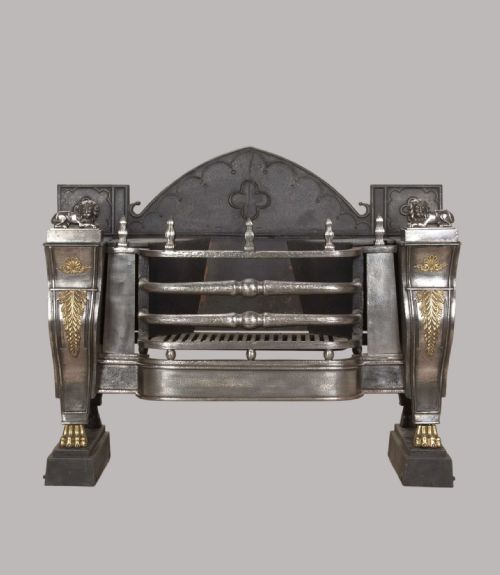
A gothic cast iron grate anchors a hearth with architectural presence, combining heavy metalwork with pointed arches and medieval detail.
Gothic Cast Iron Grate
A gothic cast iron grate brings structural weight and pointed architectural motifs to period hearths, serving as both functional fire containment and decorative focal point. These pieces span centuries of design, reflecting changing interpretations of medieval form from the Regency period through the Victorian era and into the early twentieth century.
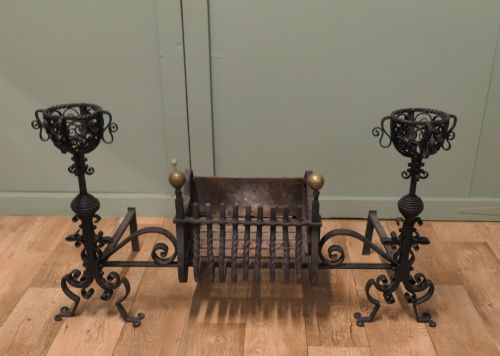
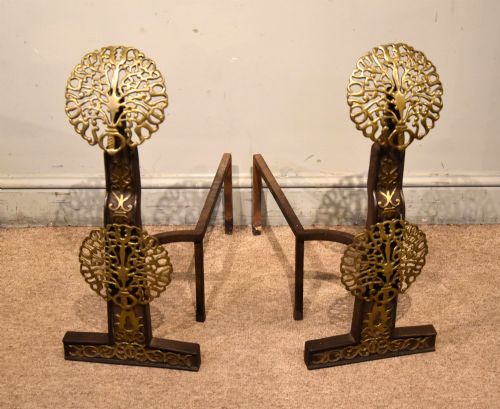
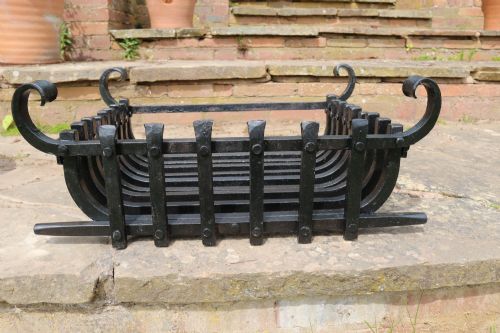
The most common examples on this page are fire baskets and open hearth grates, often accompanied by andirons or fire dogs. Buyers encounter robust Victorian Gothic Revival designs alongside Arts and Crafts interpretations that emphasise simpler medieval lines.
The materials range from pure cast iron to combinations involving wrought iron, brass elements, and firebrick linings. These hearth accessories suit period restorations and country house interiors seeking authentic nineteenth-century or early twentieth-century character.
Materials and Making
Foundries utilised sand casting techniques to create the intricate tracery and heavy frames characteristic of cast iron grates. Molten iron filled moulds taken from wooden patterns, allowing for repetitive production of quatrefoils, pointed arches, and crockets.
Blacksmiths forged complementary components in wrought iron, shaping fire bars, handles, and structural supports by hand on the anvil. Brass details occasionally appeared as decorative finials or mounts, adding contrast to the dark metalwork.
Internal components frequently incorporated firebrick to withstand extreme heat and protect the surrounding metal frame from cracking during sustained fires.
Gothic Cast Iron Grate Retail Price Guide 2026
Typical asking prices for gothic cast iron grate among the pieces listed under this phrase on Sellingantiques today, from the lower quarter to the upper quarter. They describe what is for sale here now, not the wider market.
Listings feature periods spanning from the eighteenth century through the 1930s, encompassing Regency, Victorian, and Arts and Crafts design movements.
Factors of Quality
The crispness of the casting defines the visual success of a gothic cast iron grate, where sharp architectural details and deep relief work indicate superior pattern-making. Finer pieces retain clean lines in their tracery without the blurring or pitting common in hurried production.
Substance and structural integrity dictate longevity, particularly in pieces subjected to intense hearth temperatures. Heavy gauge metal and well-fitted joints between cast and wrought elements ensure the basket supports the weight of fuel without warping.
The Gothic Cast Iron Grate Glossary
- Cast iron
- An iron-carbon alloy poured into a mould in a molten state. This process permits the creation of complex decorative patterns impossible to achieve through forging alone.
- Wrought iron
- Tough, malleable iron worked by hand with a hammer and anvil. This material resists shock and bending, making it ideal for fire bars and structural frames.
- Fire basket
- An open container for holding coal or wood within a fireplace. These units sit within the hearth or on andirons, allowing air circulation around the fuel.
- Andirons
- Horizontal metal bars supported by vertical legs, placed in a hearth to support logs. They frequently accompany fire baskets in large inglenook settings.
- Gothic Revival
- An architectural and decorative style drawing inspiration from medieval forms. Pointed arches, trefoils, and heavy vertical lines characterise this aesthetic.
Gothic Cast Iron Grate: Frequently Asked Questions
How do I measure for a fire grate?
Measure the width, depth, and height of your fireplace opening carefully to ensure proper clearance around the ironwork. Allow adequate space for airflow and ensure the basket sits safely within the hearth dimensions.
Consider the placement of any surrounding firebrick or decorative panels when checking measurements. A well-fitted grate leaves sufficient margin for expansion during use.
Can these grates burn real wood?
Many of these pieces serve as functional fire baskets designed to contain burning logs or coal. Checking the condition of the internal firebrick and metal bars is essential prior to lighting any fire.
Heavier iron constructions handle solid fuel effectively, while lighter decorative examples may suit gas log installations or dry display. Professional inspection ensures safe operation in a working chimney.
How do I clean cast iron?
Remove ash and soot accumulation regularly using a soft brush or vacuum attachment to prevent moisture retention and rust formation. Apply a traditional grate polish or black lead sparingly to maintain the dark finish.
Avoid using water or harsh chemical cleaners which can strip the protective surface and promote oxidation. Gentle buffing preserves the historic texture of the metal.
What is an inglenook grate?
An inglenook grate is a substantial fire basket designed for large, deep hearths found in period country houses. These oversized units often rest upon heavy andirons to project warmth into expansive rooms.
Their robust proportions require significant floor space and strong chimney draughts to operate successfully. They represent the heavier end of nineteenth-century fireplace engineering.