



Wrought Iron Log Grate
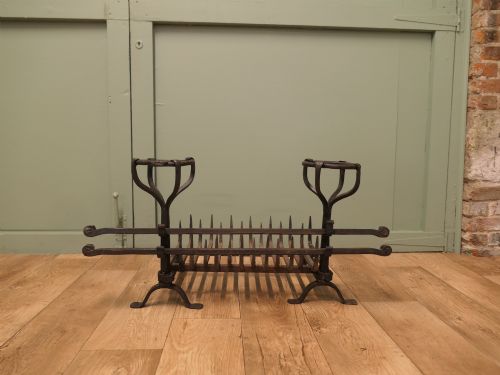
These wrought iron log grate pieces are robust hearth accessories designed to hold wood securely, bringing period character and functional warmth to open fireplaces.
Wrought Iron Log Grate
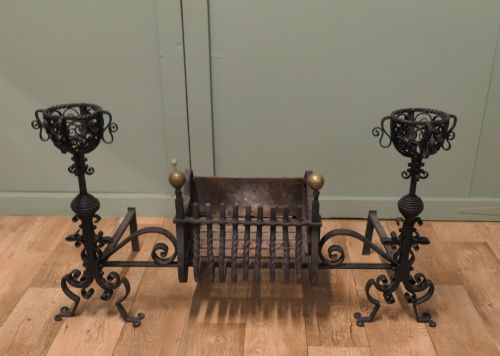
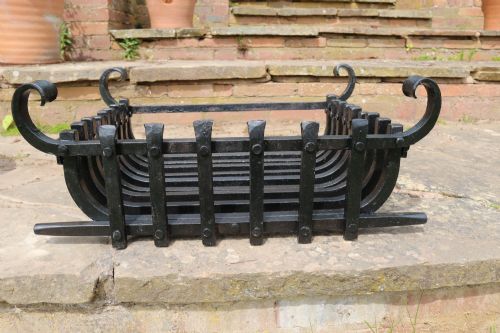
A wrought iron log grate serves as the sturdy central basket for holding firewood within an open hearth. When searching for a wrought iron log grate, you encounter forms ranging from simple freestanding baskets to elaborate sets complete with fire dogs and andirons.
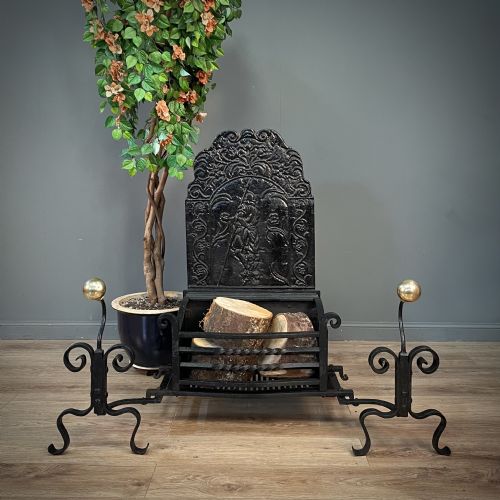
The selections span distinct historical eras, including Georgian, Victorian, Edwardian, and 1930s Arts and Crafts designs. Many examples incorporate fire backs or pair with matching mulling andirons to form complete fireplace sets.
Most items originate from English workshops and incorporate variations such as medieval styling or dragon motifs. The structural forms function equally well with logs or coal within large inglenook hearths.
Materials and construction methods
Blacksmiths utilised durable wrought iron and cast iron to forge these heavy grates and baskets, often combining both metals within a single assembly. Brass accents and firebrick linings appear on specific examples to manage intense hearth heat.
Construction techniques rely on traditional hand-forging, shaping heavy iron bars into rigid baskets capable of supporting substantial loads of firewood. Surface treatments range from simple blackened iron to decorative detailing like medieval style flourishes and cast dragon motifs.
Wrought Iron Log Grate Retail Price Guide 2026
Typical asking prices for wrought iron log grate among the pieces listed under this phrase on Sellingantiques today, from the lower quarter to the upper quarter. They describe what is for sale here now, not the wider market.
Several fire sets feature cast dragon motifs, keeping watch over the hearth fire with mythical intensity.
Factors of quality and build
Superior quality shows in the sheer weight and thickness of the iron components, separating substantial structural pieces from lighter alternatives. Heavy gauge metal withstands intense coal and wood fires without warping over decades of use.
Design integration marks the higher tier, where fire baskets, andirons, and fire backs share a cohesive artistic vision, such as Arts and Crafts or Gothic Revival styling. The precision of the hand-forged joinery and the presence of decorative motifs further distinguish finer examples.
The Wrought Iron Log Grate Glossary
- Wrought iron
- Tough, malleable iron that is heated and hammered into shape by a blacksmith. This material provides the structural strength for traditional fire baskets and grates.
- Fire basket
- An open metal container designed specifically to hold logs or coal off the hearth floor. These baskets allow proper airflow underneath the fuel for efficient burning.
- Andirons
- A pair of horizontal metal supports placed in a fireplace to hold logs above the hearth. They frequently accompany wrought iron log grates in larger hearth settings.
- Fire back
- A heavy iron plate placed at the back of a fireplace. It protects the masonry wall and reflects heat forward into the room.
- Inglenook
- A large recessed space around a fireplace designed to sit within the warmth of the chimney. Pieces built for these spaces are typically extra large and heavy.
- Gothic Revival
- An architectural and decorative style drawing on medieval forms. Grates in this style often feature pointed arches and heavy ecclesiastical detailing.
Wrought Iron Log Grate: Frequently Asked Questions
How do I choose the right size?
Measure the width and depth of your fireplace opening carefully to ensure adequate clearance around the basket. Large inglenook grates require substantial hearth space.
Consider whether you intend to use the grate with accompanying andirons, which extend the total footprint of the fireplace set.
Can I burn real logs in these grates?
Most of these pieces are built from heavy wrought and cast iron specifically to hold burning wood and coal. Their robust construction handles high temperatures reliably.
Ensure your specific grate is clear of severe structural thinning before lighting open fires.
How do I date a Victorian iron grate?
Examine the stylistic cues, such as Gothic Revival motifs or Arts and Crafts hand-forged details, which correspond to late nineteenth and early twentieth-century design. Heavier cast elements often point toward the Victorian era.
Consult the specific craftsmanship and recorded period attribution to confirm the date of origin.