

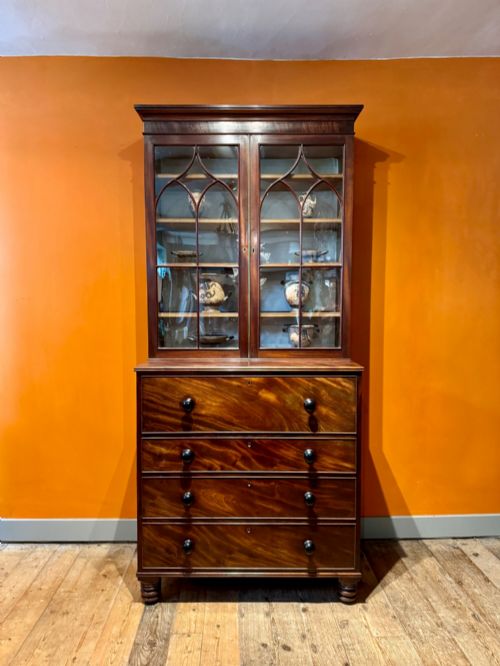
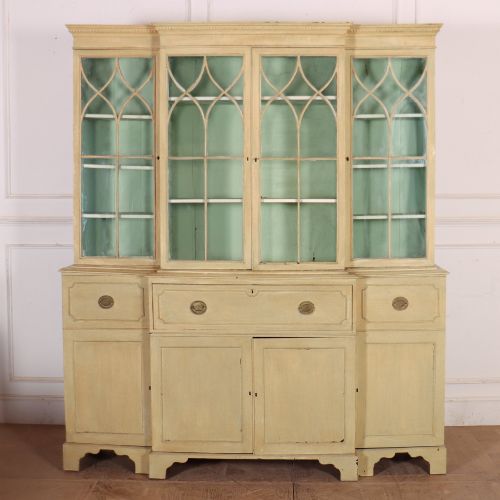
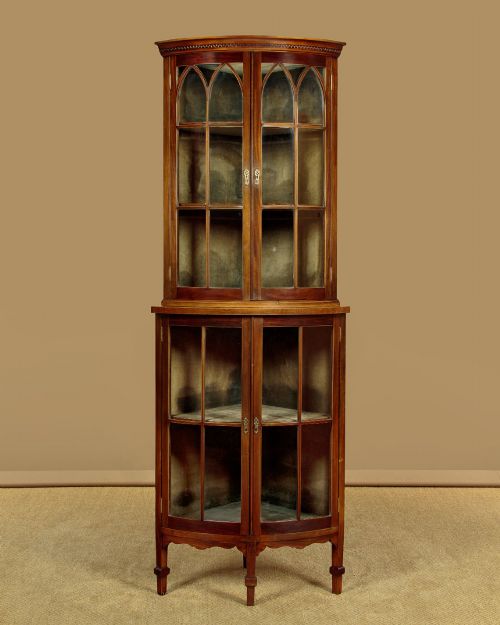
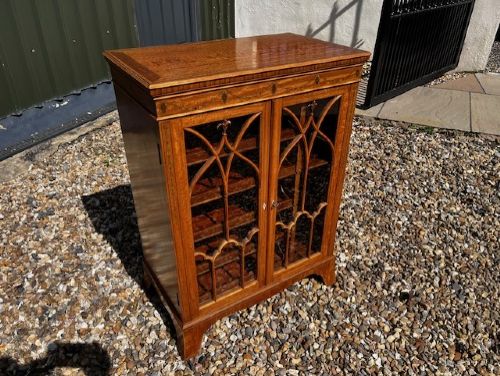


Gothic Astragal Glazed Cabinet
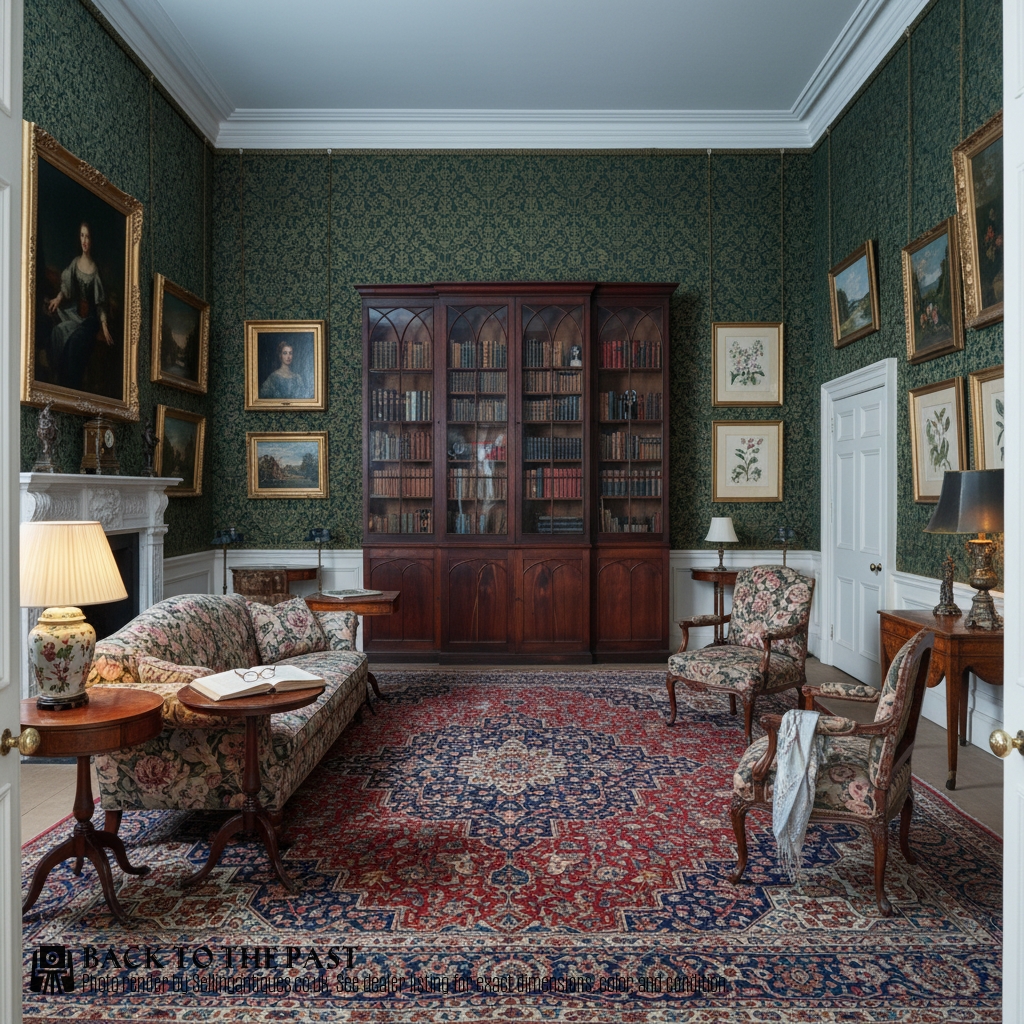
A gothic astragal glazed cabinet brings architectural structure and clear glass display into a room, prized for organising books or collections.
Gothic Astragal Glazed Cabinet
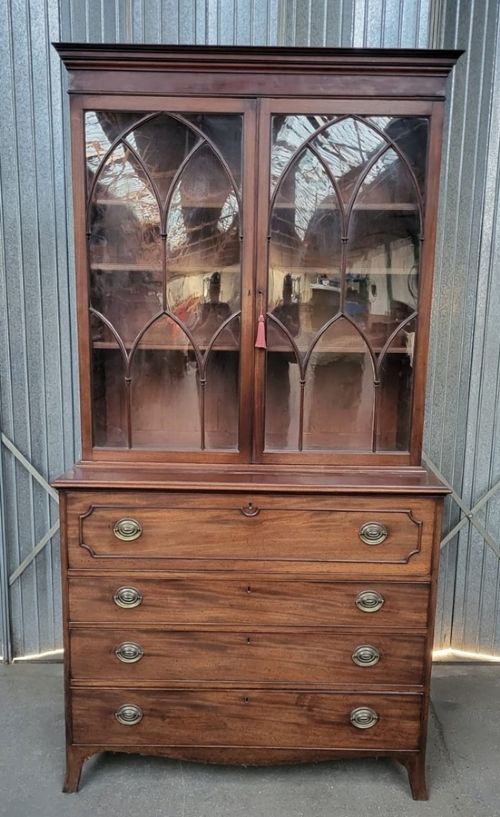
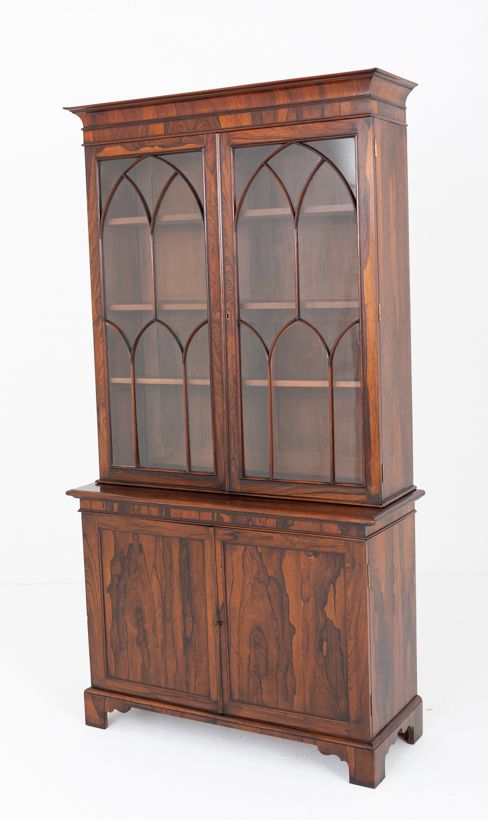
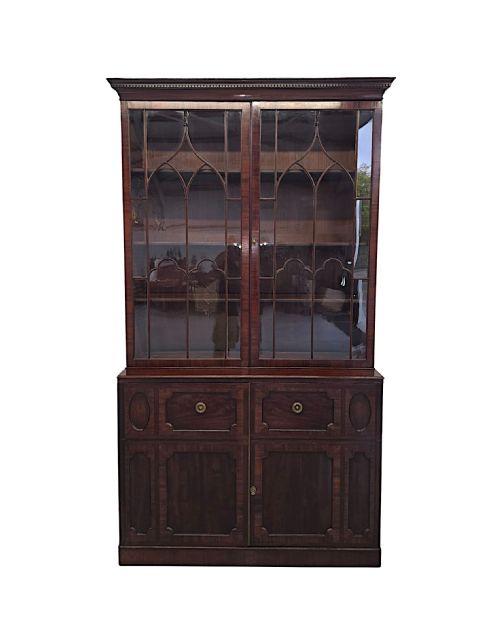
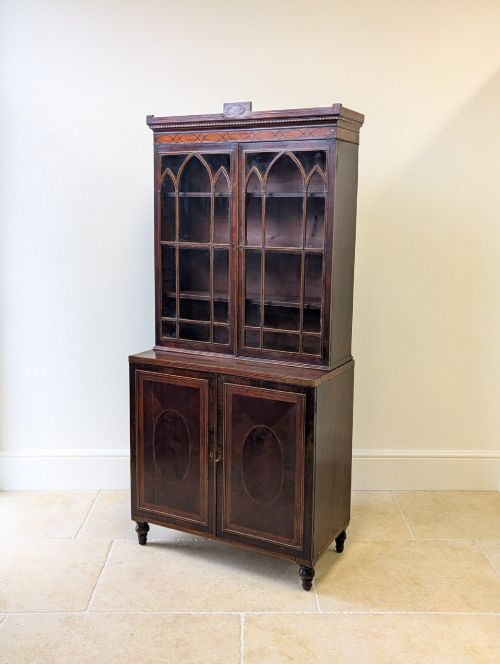
A gothic astragal glazed cabinet spans forms such as bookcases, display cabinets, and secretaire bookcases originating from periods like the Georgian era, the Regency period, and the Victorian Gothic Revival. These pieces combine upright storage with glazed timber framework to keep volumes or objects visible while protected.
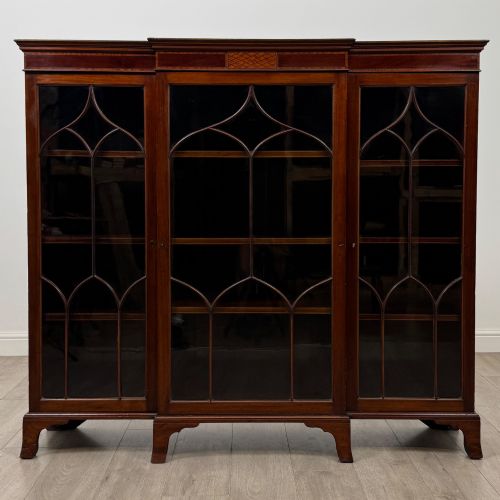
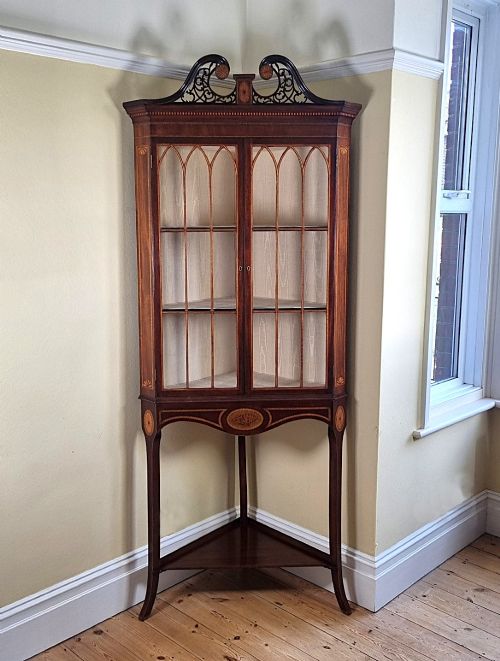
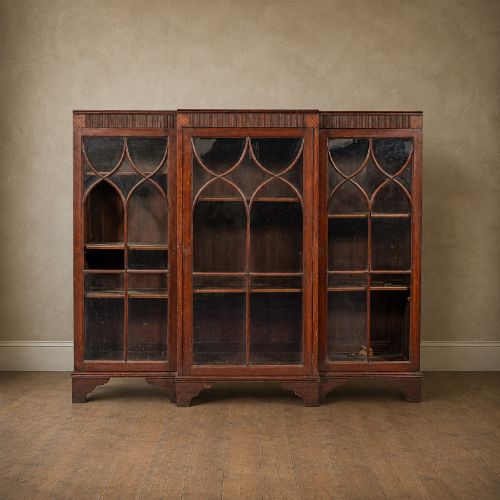
The versions most likely to appear on this page are mahogany bookcases and corner cabinets, often built with breakfront proportions or fitted with fitted writing drawers. Makers constructed them in regional workshops and cabinet houses across the eighteenth, nineteenth, and early twentieth centuries.
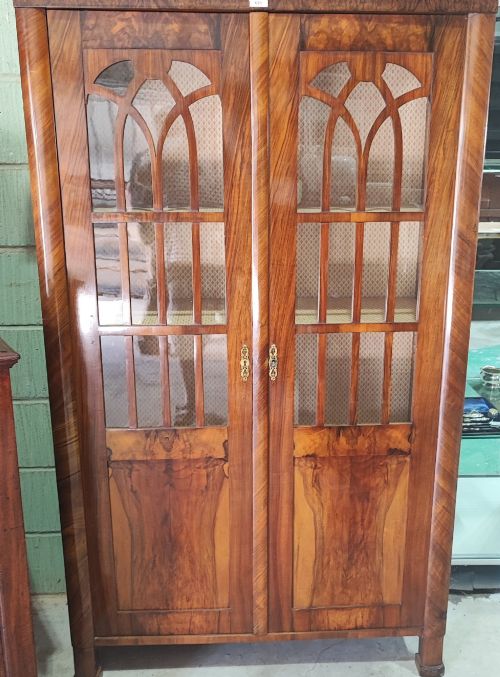
The overarching style borrows pointed arches and geometric mullion patterns from medieval architecture, adapted for domestic library and drawing room interiors. Buyers encounter both tall multi-door breakfront examples and compact wall-hanging or corner variations.
How they were made
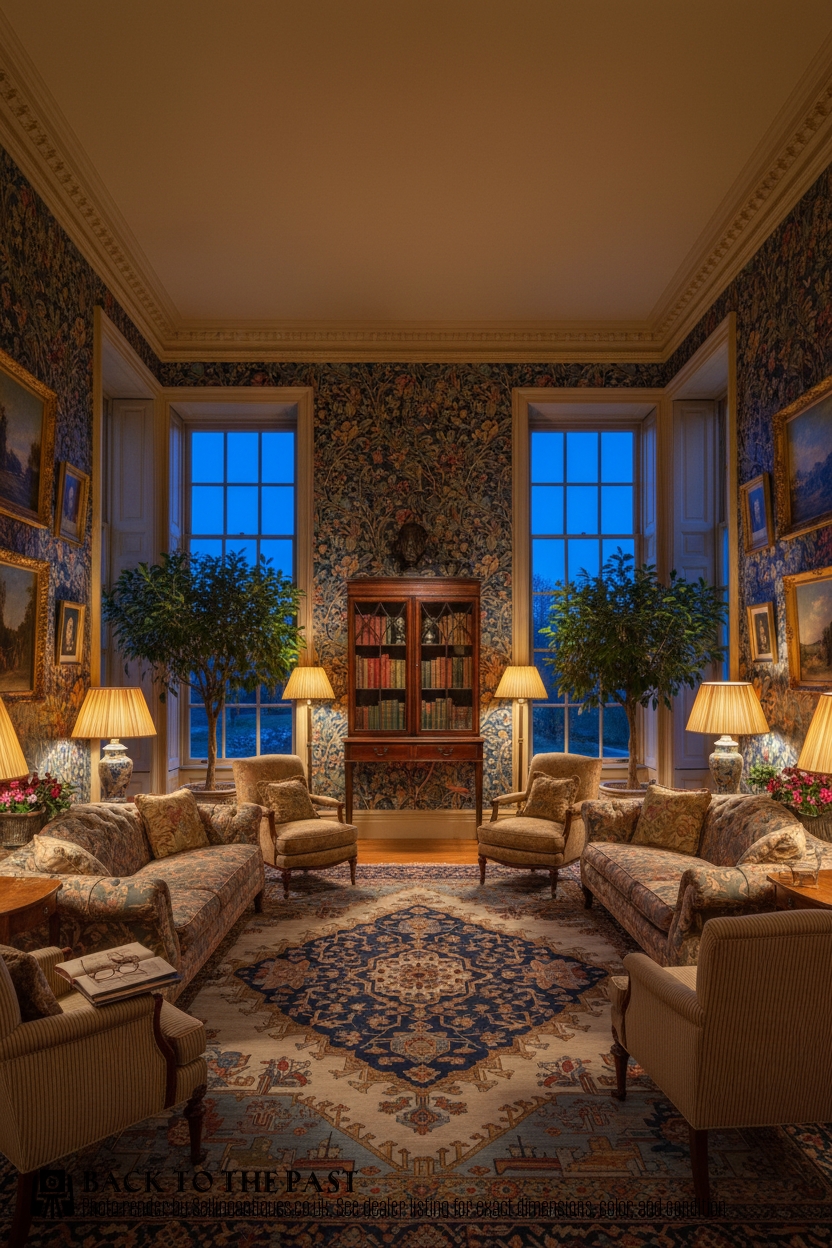
Cabinet makers relied predominantly on solid mahogany and rich veneers, frequently accented with satinwood inlay, brass hardware, and interior fabric linings. Timber frames were cut, joined, and polished by hand to support heavy rows of glass panes.
The characteristic astragal glazing bars were shaped meticulously to form the gothic pointed arches and tracery patterns that divide the door glass. Joiners utilised traditional mortise and tenon joints for the carcass while mounting the delicate wooden bars directly over the glazed openings.
Some nineteenth-century makers hid secret compartments inside secretaire drawers, ensuring your diary stayed safer than your biscuits.
What varies in quality
Quality rests in the architectural precision of the glazing bars and the choice of timber figures, such as flame mahogany or detailed satinwood marquetry. Finer examples display crisply carved gothic tracery and balanced proportions across breakfront or secretaire sections.
Simpler pieces utilise straightforward timber boards and heavier, less refined astragal mouldings without decorative inlay. The handling of the interior fittings and the finesse of the joinery mark the division between standard utility furniture and high-status library pieces.
Jas Shoolbred
The Gothic Astragal Glazed Cabinet Glossary
- Astragal
- The narrow moulding profile used to hold glass panes within a frame. In these cabinets, they form the intersecting gothic lattice patterns.
- Breakfront
- A piece of furniture whose central section projects forward from the flanking outer wings. This arrangement creates visual depth and extra interior capacity.
- Secretaire bookcase
- A tall cabinet featuring a pull-down writing drawer with internal pigeonholes and small drawers, positioned beneath glazed upper doors. It combines a bureau workspace with library storage.
- Marquetry
- Decorative patterns created by fitting thin pieces of wood veneer and other materials onto a structural surface. It appears on select Edwardian and Victorian cabinet doors.
Gothic Astragal Glazed Cabinet: Frequently Asked Questions
How do I date a gothic astragal glazed cabinet?
Dating relies on identifying timber choices, construction methods, and stylistic cues associated with periods like the Georgian era or Victorian Gothic Revival. Secondary woods and dovetail construction help narrow down the decade of manufacture.
Changes in glass clarity and the weight of the astragal bars also point towards earlier hand-pulled panes or later machine-rolled manufacturing techniques.
Were these cabinets meant solely for books?
While many served as libraries or secretaire bookcases for writing and holding volumes, others functioned as display cabinets for ceramics and curiosities. Corner variants and smaller hanging formats were designed to exhibit valued household possessions.
The inclusion of glazed doors kept dust away from delicate collections while maintaining visibility in formal reception rooms.
How do I care for the glazed doors?
Maintenance involves dusting the timber frames regularly with a dry cloth and cleaning the glass panes with a mild glass cleaner applied to a rag rather than the wood. Keeping the cabinet away from direct sunlight protects the polish and internal fabric.
Checking the stability of the thin astragal bars during routine cleaning prevents accidental pressure from loosening the delicate wood joints.
What is the difference between Georgian and Victorian gothic styles?
Georgian interpretations generally maintain lighter, restrained proportions with subtle pointed arch glazing inspired by eighteenth-century Gothic Revival tastes. Victorian versions often feature heavier timber sections, deeper breakfronts, and more exuberant ecclesiastical detailing.
Understanding these shifts in scale helps distinguish mid-Georgian library pieces from late nineteenth-century revival work.