
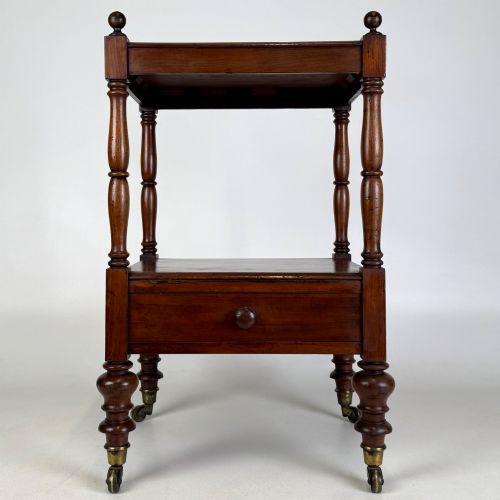
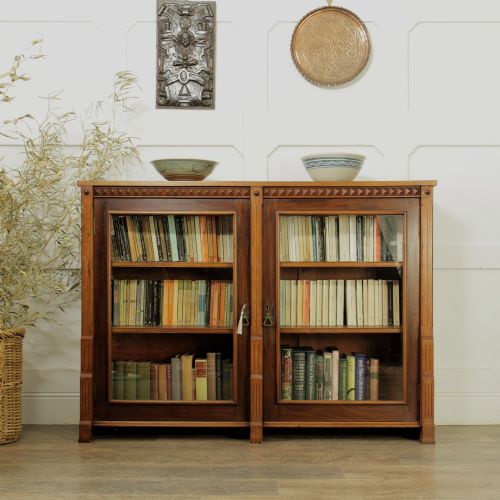
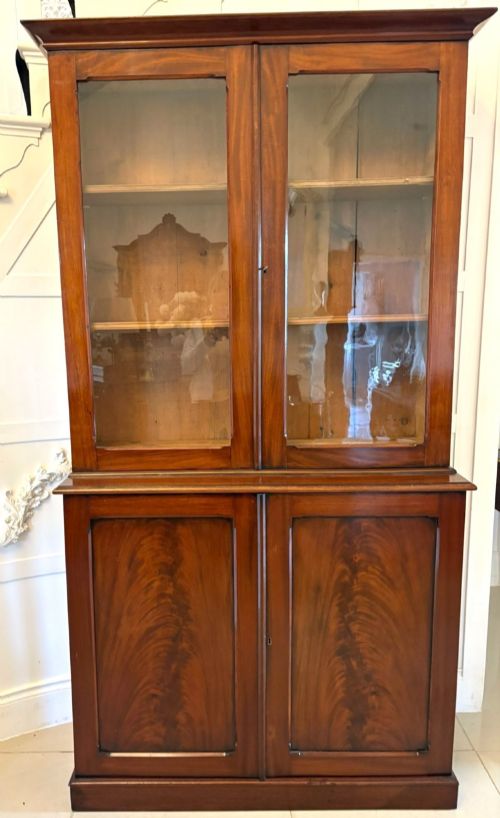
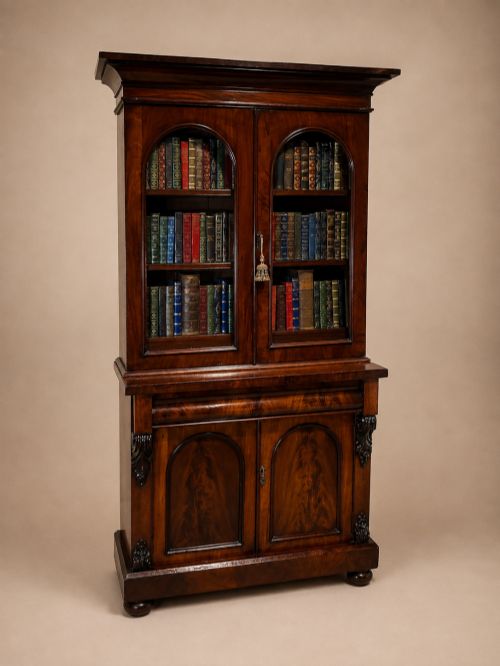
Dark Wood Library Cabinet
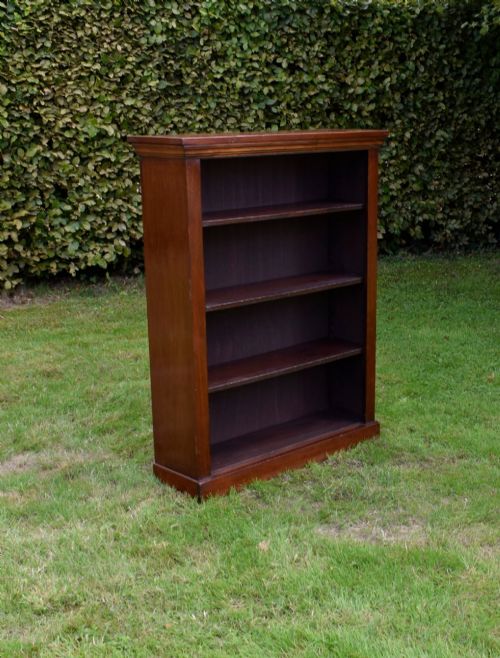
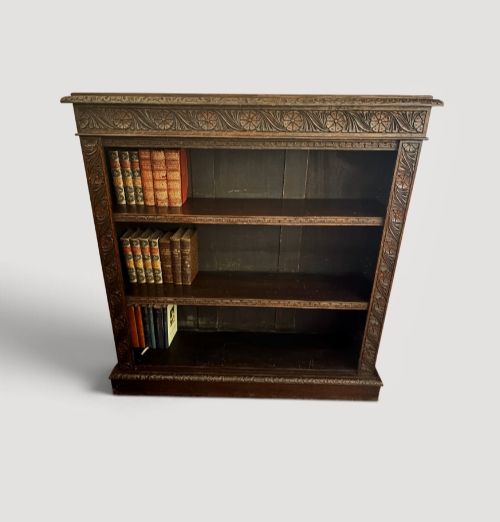
A dark wood library cabinet brings functional storage and rich timber tones into a room, offering adjustable shelves for heavy volumes and glazed doors to protect prized collections.
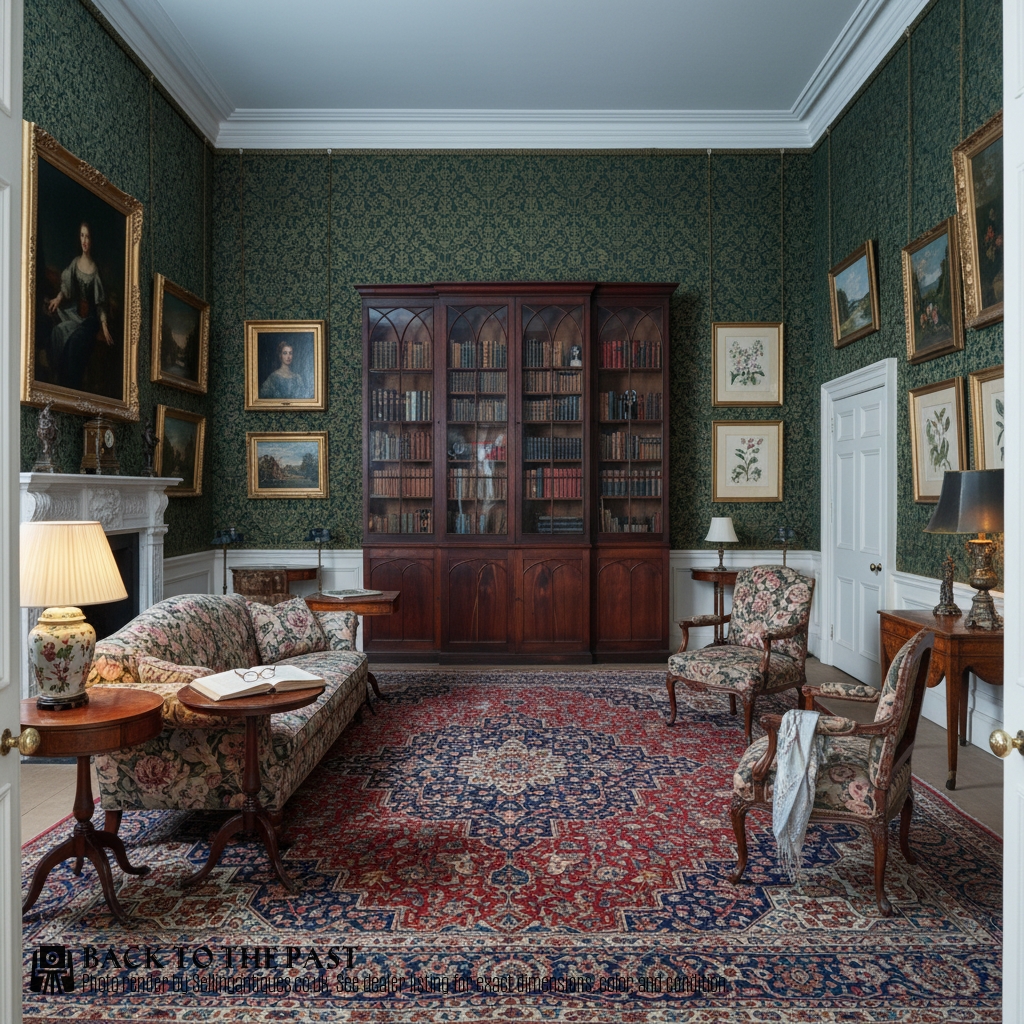
Dark Wood Library Cabinet
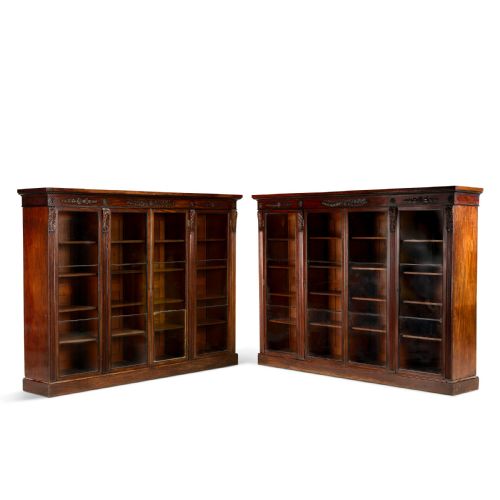
A dark wood library cabinet encompasses substantial furniture designed to hold books and papers, taking forms such as open bookcases, breakfront glazed designs, secretaire pieces, and stacking sections. The pieces span periods from the Georgian and Regency eras through the Victorian age and into the early twentieth century.
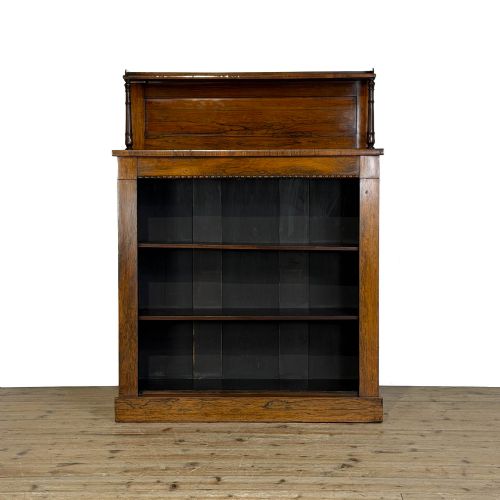
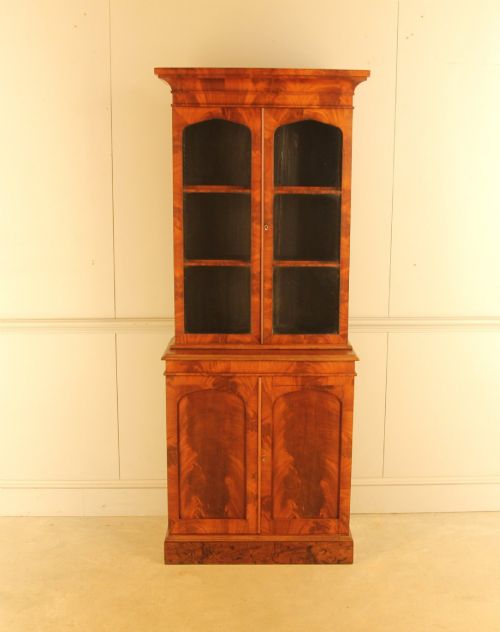
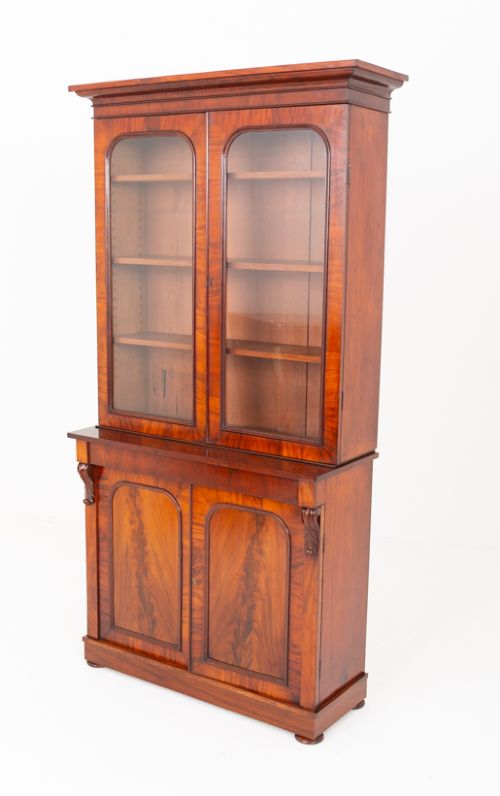
Buyers browsing this selection frequently encounter Victorian mahogany bookcases and oak stacking designs, alongside open rosewood shelves and breakfront library cabinets. These items reflect traditional domestic and professional libraries where deep timber tones dominated the interior scheme.
Origins stretch across the nineteenth and early twentieth centuries, capturing shifts from formal Georgian craftsmanship to industrial modular shelving like the Globe Wernicke stacking bookcase. Each format serves the primary purpose of housing bound volumes while anchoring the room with dark timber.
Materials and Construction
Cabinet makers utilised dense hardwoods such as mahogany, rosewood, and oak for structural integrity, often applying flame mahogany veneer or figured timber to large display surfaces. Brass hardware, including adjustable shelf ratchets and door locks, provides functional contrast to the dark grain.
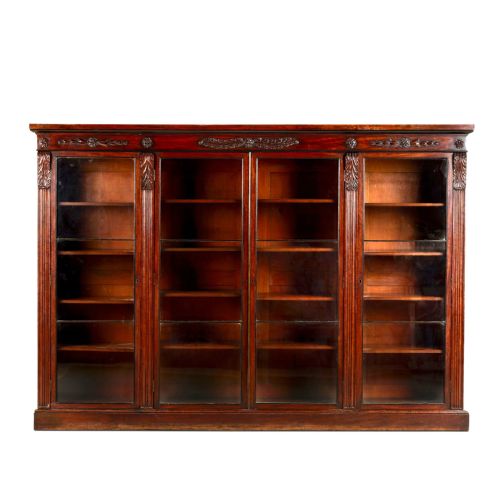
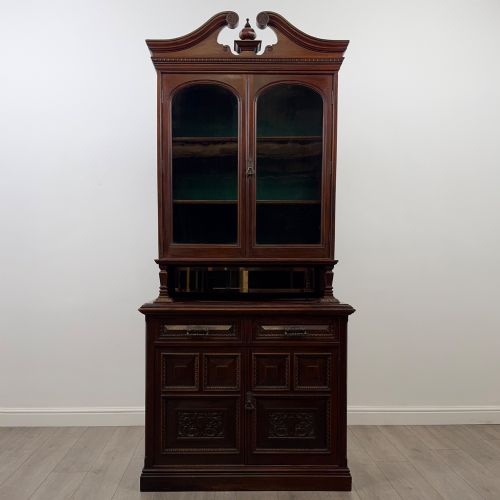
Glazing techniques employed clear glass set within astragal bars or wooden framework, protecting the contents from dust while maintaining visibility. Carved details and sectional stacking mechanisms demonstrate the varied joinery employed across different decades and workshops.
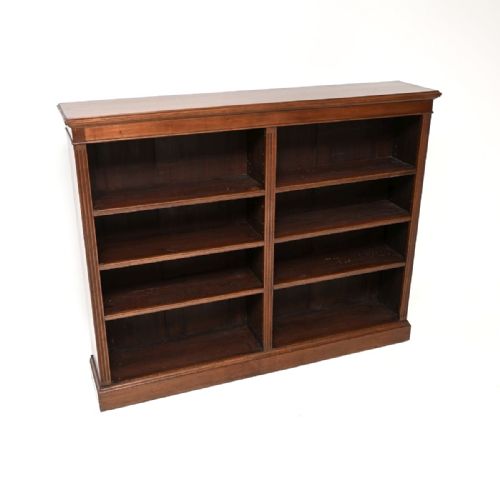
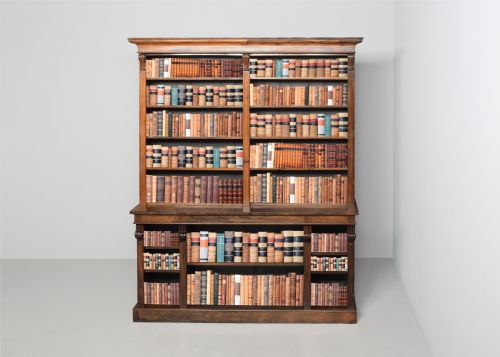
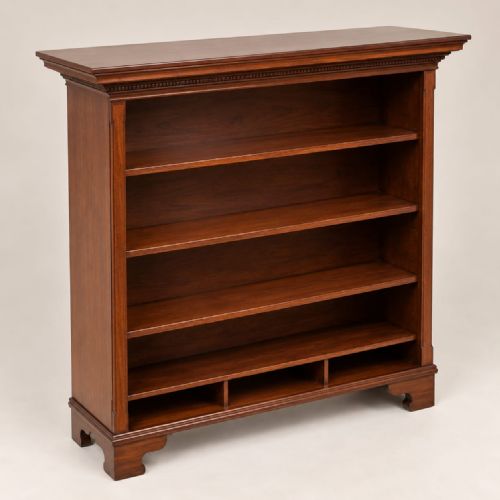
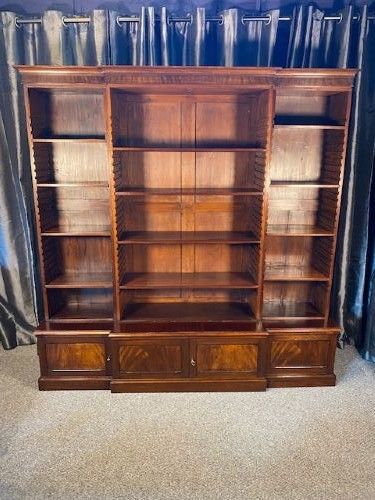
Cabinet forms range from open library shelves and glazed breakfronts to modular stacking units and secretaire desks.
Assessing Quality and Execution
Superior examples distinguish themselves through the selection of figured mahogany or rosewood veneer and the precision of the cabinet maker's joinery on breakfront cornices and glazed doors. The inclusion of adjustable shelving mechanisms and original brass fittings elevates a piece above standard utility furniture.
The integration of secondary timbers, the crispness of carved oak or mahogany details, and the stability of sectional stacking units separate master workshops from mass production. Proportions remain balanced on finer pieces, ensuring that large breakfront libraries command the room without visual heaviness.
Gillows·Wylie and Lochhead·Globe Wernicke
The Dark Wood Library Cabinet Glossary
- Breakfront
- A large cabinet design where the central section projects forward from the flanking wings. This format creates depth and visual interest in substantial library rooms.
- Astragal glazed
- Glass doors divided into smaller panes by narrow wooden mouldings called astragals. These frames support the glass while adding geometric decoration.
- Secretaire
- A cabinet incorporating a pull-down writing drawer with an fitted interior of small compartments and pigeonholes. It combines a desk surface with enclosed bookshelf storage.
- Globe Wernicke
- A patented modular stacking bookcase system popular in the early twentieth century. Individual glass-fronted tiers stack together to form a customisable shelving unit.
- Flame mahogany
- A veneer cut from timber where the branch joins the main trunk, creating a fiery, undulating grain pattern. Cabinet makers reserved this material for prominent door and drawer fronts.
Dark Wood Library Cabinet: Frequently Asked Questions
How do I spot a secretaire bookcase?
Look for a central drawer that drops forward on hinges to reveal a writing surface and small interior compartments. This integrated desk feature allows the cabinet to function as both a workspace and a bookcase.
Beneath or above the desk section, standard shelving or cupboards provide enclosed storage for volumes and papers, making these pieces versatile additions to a home study.
Are stacking bookcases sturdy?
Sectional stacking bookcases rely on modular wooden tiers that interlock without permanent fixings. Each glass-fronted tier supports the one above it while remaining easy to move or reconfigure.
This modular engineering provided flexibility for growing libraries in the early twentieth century, allowing owners to add shelves as their book collections expanded.
How do I date a Victorian mahogany bookcase?
Dating relies on timber selection, glass quality, and hardware styles. Earlier Victorian pieces from the mid nineteenth century often feature dense figured mahogany and hand-blown glass panes.
Later Victorian and Edwardian examples show shifts toward machine-sawn timber, simpler adjustable shelf mechanisms, and varied decorative carving styles reflecting Gothic or classical revivals.